
IV Therapy Foundations
Outpatient IV therapy frameworks for safer ingredient choices and better monitoring in complex patients
For clinicians building safer IV workflows and follow-up
IV Therapy Foundations teaches how outpatient IV therapy is approached in clinical practice, combining a cellular hydration and cell-volume framework with practical decisions around ingredient selection, dosing considerations, and safety screening. You will review how clinicians interpret urine concentration and arginine vasopressin (AVP) physiology in discussions of hydration, and how compatibility, infusion rates, and adverse-reaction risk shape day-to-day administration choices. The course also addresses sterile preparation and clinic implementation through USP <797>, including immediate-use versus Category 1/2 workflows, documentation, and sourcing considerations (503A vs 503B). Case-based segments (for example, fatigue with metabolic risk or post-bariatric nutrient concerns) illustrate how IV therapy may be used as an entry point to broader evaluation and follow-up rather than a fixed menu. The overall aim is to support clearer clinical reasoning, safer operational decisions, and more consistent monitoring over time using defined endpoints such as symptoms, labs, or body composition measures. It is designed for clinicians involved in IV delivery or oversight, as well as clinic operators and compounding partners responsible for compliance and workflow decisions. The course is organized in two sections and includes 21, concise lessons, and a set of quizzes.
What's Included
The course is organized as a multi-day sequence of lectures, case discussions, compliance-focused teaching, and panel Q&A to connect physiologic concepts with real-world IV practice. It is designed to support both clinical decision-making and operational competence, from screening and administration basics to USP <797>-aligned workflows.
- 14h 22m total runtime
- 3 modules
- 21 lessons
- Downloadable learning guides
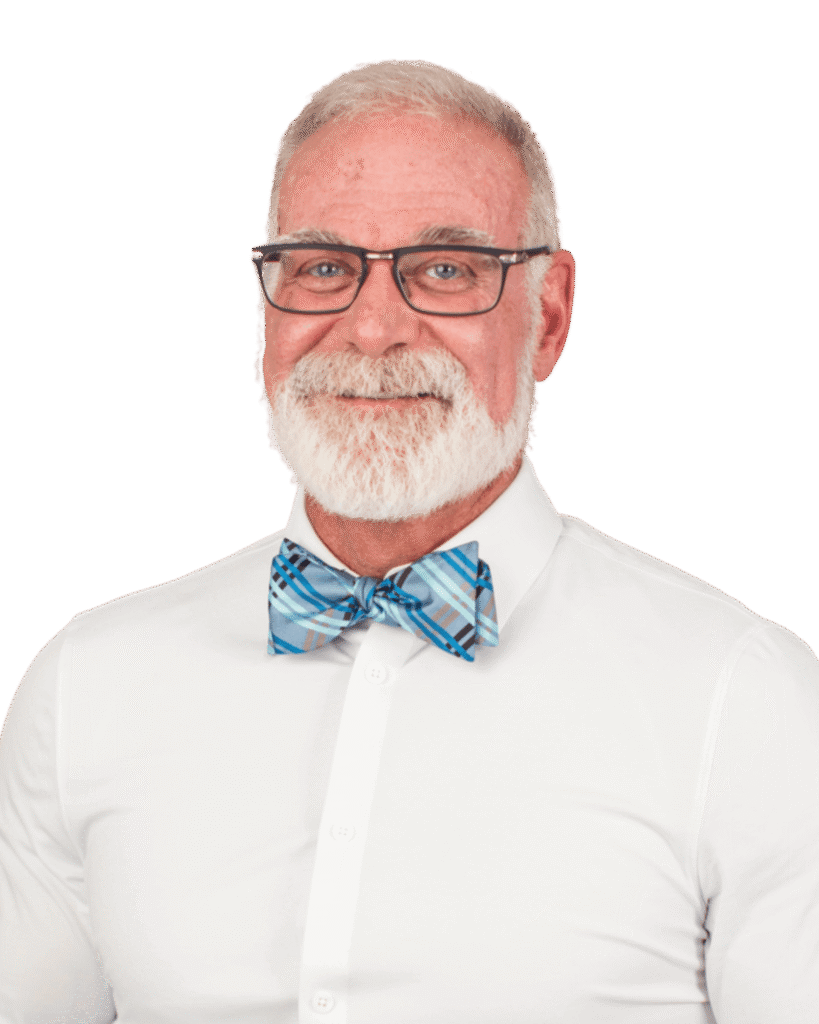
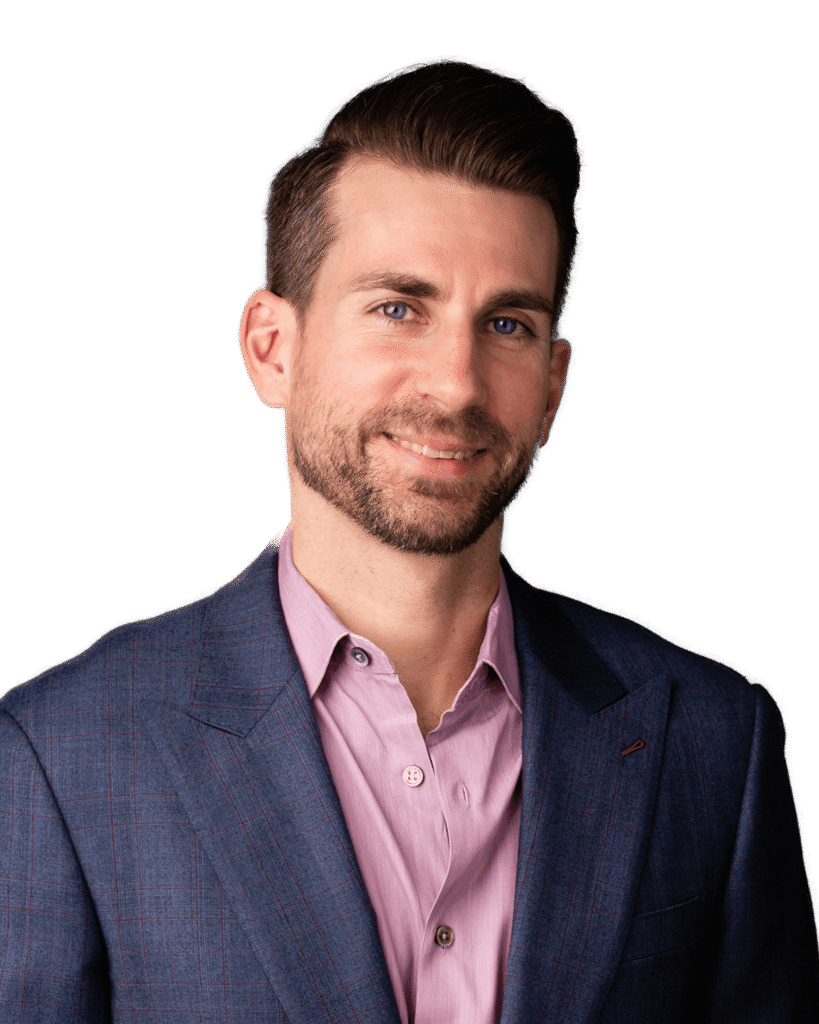
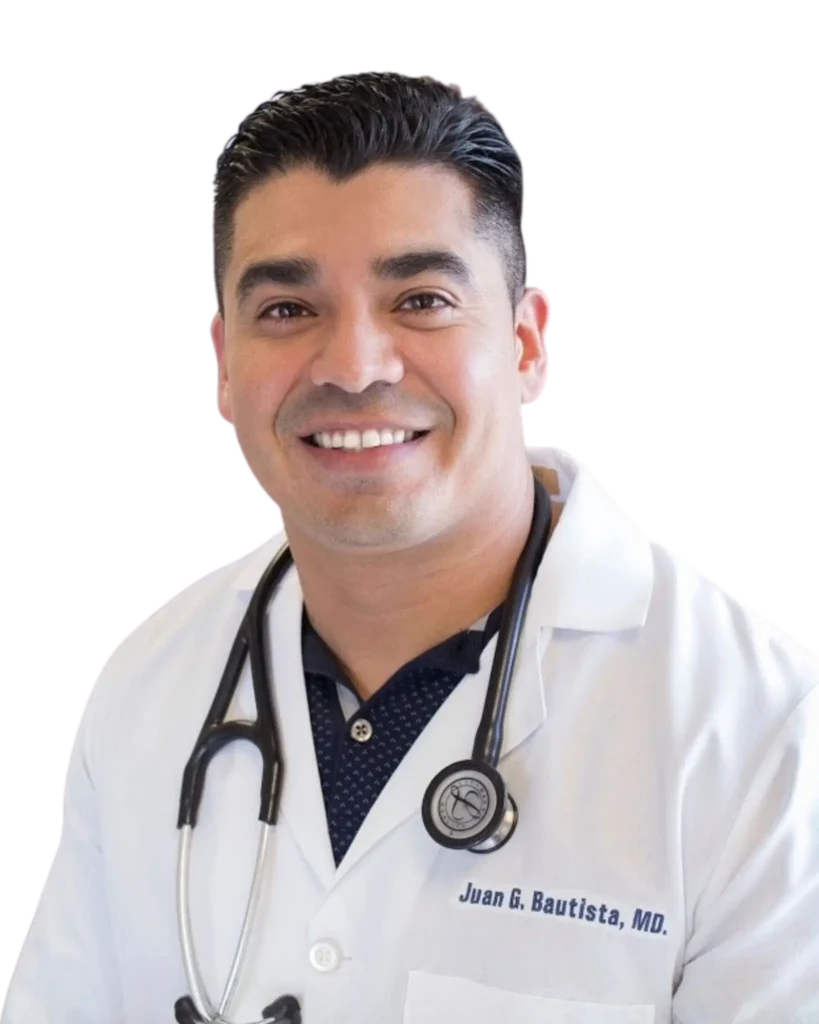
Learn from the experts
Modules
| Status | Lesson Title | Speaker | Duration |
|---|---|---|---|
| How To Comply With USP 797 Regulations Without The Anxiety And Confusion | William Haas, MD |
 William Christian Haas III
|
29 min | |
| How to Successfully Grow, Scale, and Optimize Your IV Therapy Business WITHOUT Wasting Your Time and Money | William Haas, MD |
William Christian Haas III
|
35 min | |
| IV Therapy Business | Juan Bautista, MD, FSSRP |
 Juan Bautista
|
15 min | |
| The All Star 5 IVs | Juan Bautista, MD, FSSRP |
Juan Bautista
|
26 min | |
| IV Therapy and Peptide Therapy with Small Molecules and Supplements | Juan Bautista, MD, FSSRP |
Juan Bautista
|
17 min | |
| IV Therapy with HRT and Peptides | Juan Bautista, MD, FSSRP |
Juan Bautista
|
16 min | |
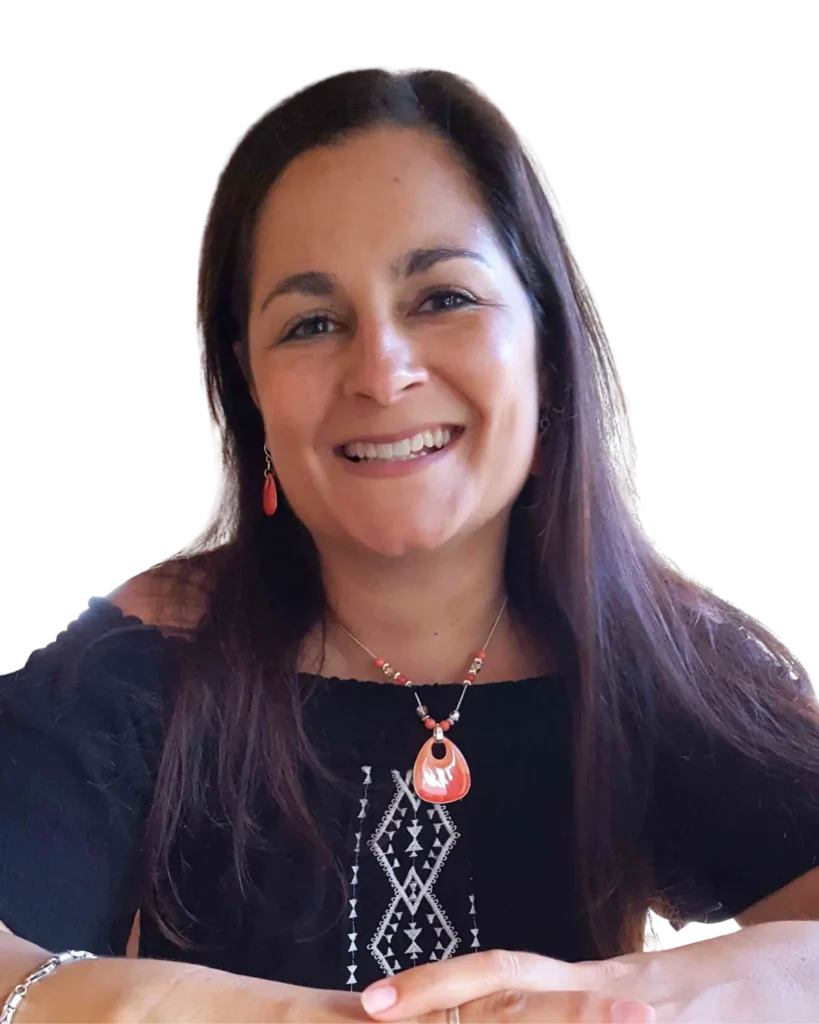
| USP 797 Immediate Use/Low Risk | Amanda Angus, MSN, APRN, CRNA |
 Amanda Angus
|
11 min | |
| IV Therapy 101C Business Setup | Amanda Angus, MSN, APRN, CRNA |
Amanda Angus
|
25 min | |
| IV Vitamin Specific Dosing and Safety Measures | Amanda Angus, MSN, APRN, CRNA |
Amanda Angus
|
18 min |
| Status | Lesson Title | Speaker | Duration |
|---|---|---|---|
| IV Therapy – The Missing Step to Extended Cellular Medicine Protocols – Part 1 | William A. Seeds, MD, Founder – SSRP |
 William Seeds
|
55 min | |
| IV Therapy | Juan Bautista, MD, FSSRP |
Juan Bautista
|
26 min | |
| USP 797 Medium Risk Compliance | William Haas MD |
William Christian Haas III
|
36 min | |
| IV Therapy Marketing 101 | William Haas MD |
William Christian Haas III
|
42 min | |
| IV Therapy II | Juan Bautista, MD, FSSRP |
Juan Bautista
|
1 hr 9 min | |
| IV Vitamin Specific Dosing and Safety Measures | Amanda Angus, MSN, APRN, CRNA |
Amanda Angus
|
28 min |
| Status | Lesson Title | Speaker | Duration |
|---|---|---|---|
| IV Therapy – The Missing Step to Extended Cellular Medicine Protocols – Part 2 | William A. Seeds, MD, Founder – SSRP |
William Seeds
|
59 min | |
| IV Therapy | Juan Bautista, MD, FSSRP |
Juan Bautista
|
55 min | |
| IV Protocol Case Studies | William Haas MD |
William Christian Haas III
|
26 min | |
| IV Therapy | Juan Bautista, MD, FSSRP |
Juan Bautista
|
29 min | |
| IV Therapy and Peptide Therapy | William Seeds, MD, Founder – SSRP |
William Seeds
|
1 hr 43 min | |
| IV Therapy Certification Panel |
William Seeds
Juan Bautista
William Christian Haas III
Amanda Angus
|
1 hr 19 min |
Questions? Our Provider Care Team is here to help.
We'd love to help you determine the best next steps on your Cellular Medicine journey.