Peptide World Congress 2025
Pathway-based cellular reasoning for clearer case interpretation and measurable follow-up in complex patients
For clinicians building a stronger monitoring framework
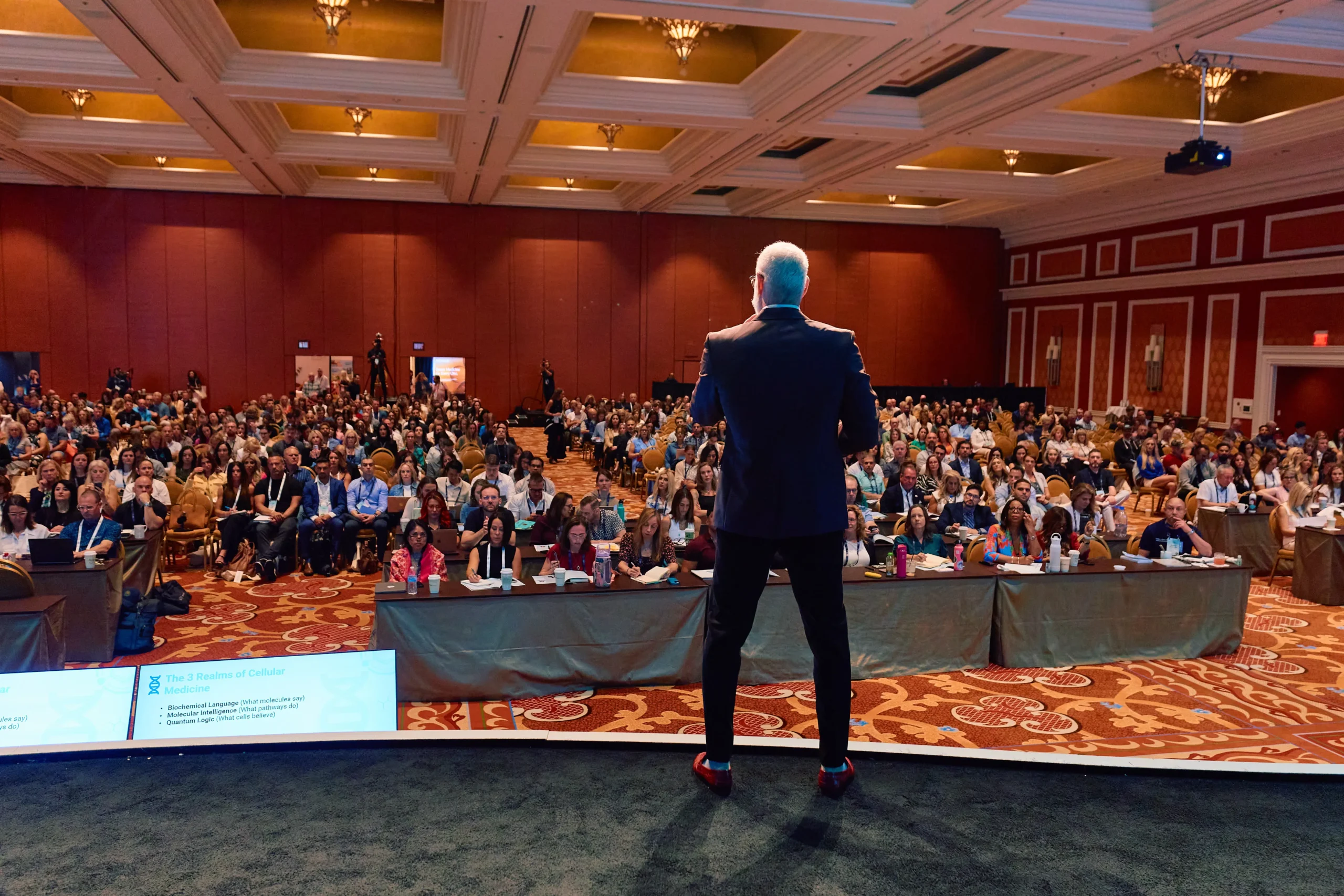
For the 2025 PWC, Dr. Seeds leads a multi-section course that brings together other experts to offer participants an extensive collection of lessons that explore and unpack the foundational concepts of cellular medicine and explain the principles of peptide therapy, including descriptions of the mechanisms and applications of specific peptides. By focusing on the translational significance of cell mechanisms and cell signaling related to energy metabolism, you will learn how to connect the intricacies of cellular metabolism and nutrient sensing (including the AMPK–mTOR axis) to inflammation, redox balance, immune modulation, and context-dependent signaling. Case discussions and “Grand Rounds” style teaching offer insight into how best to apply a cellular medicine approach with nuance to patient care, rather than relying on fixed protocols. Practical strategies that improve patient outcomes are also emphasized, including nutrition, sleep, resistance training, and establishing gut integrity. The emphasis of the overall course is on strengthening how clinicians interpret complex cases, evaluate underlying mechanisms, and monitor change over time using tools such as selected labs, body composition, and sleep or performance metrics. This reasoning-first approach aims to support more individualized care and longitudinal reassessment, especially in patients where one-size-fits-all approaches often fall short. The course is designed for all clinicians and clinical providers.
What's Included
The course is organized as a multi-speaker, conference-style series of lessons that combine conceptual foundations with applied case discussions and implementation panels. It is structured to help learners build a pathway-based reasoning framework and a monitoring mindset they can adapt to varied clinical contexts.
- Over 20 hours of video content
- 4 modules
- 31 lessons
- Downloadable learning guides
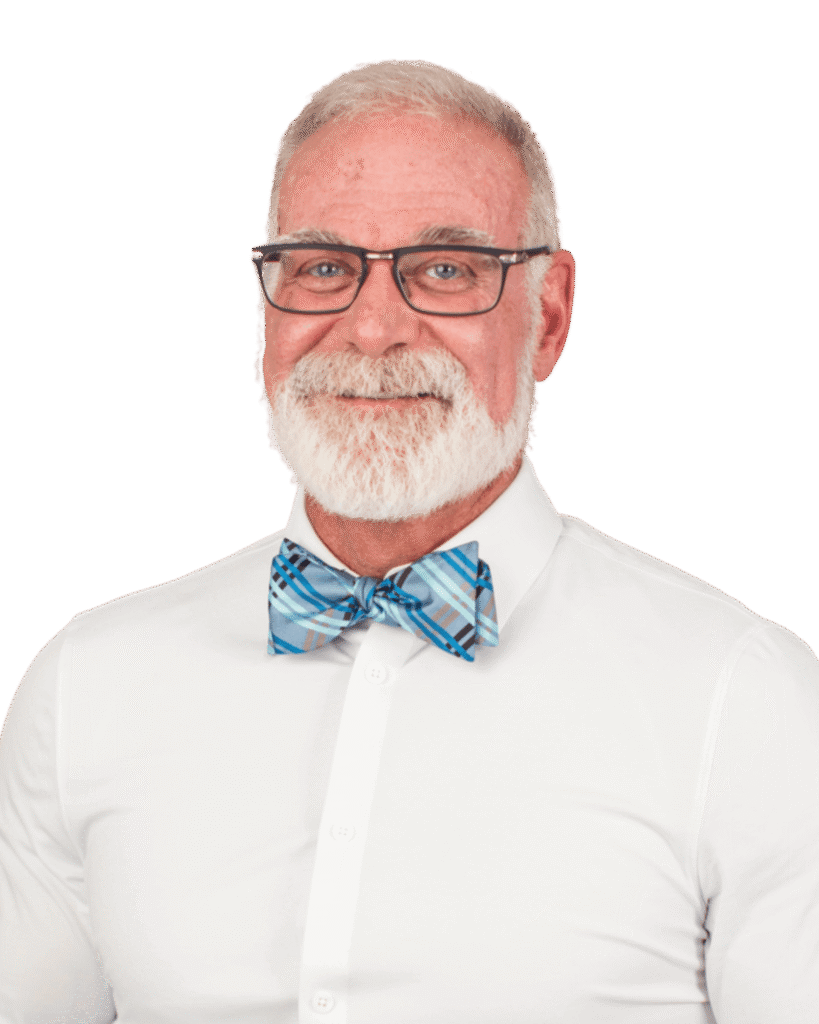
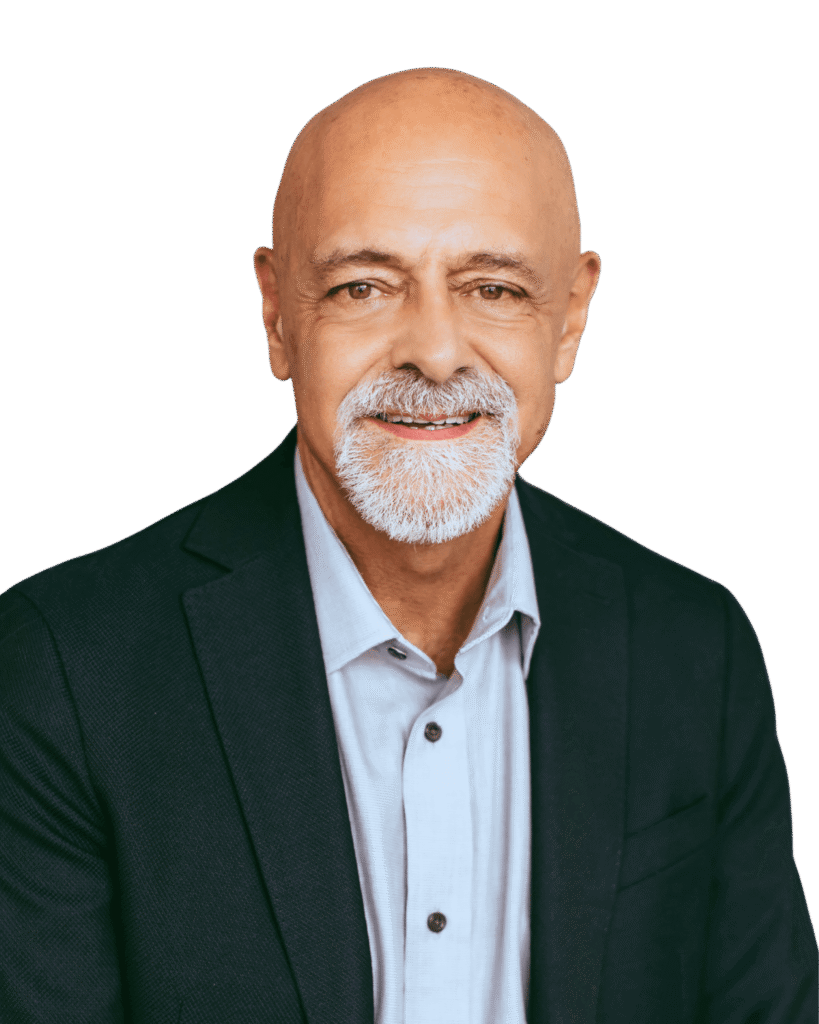
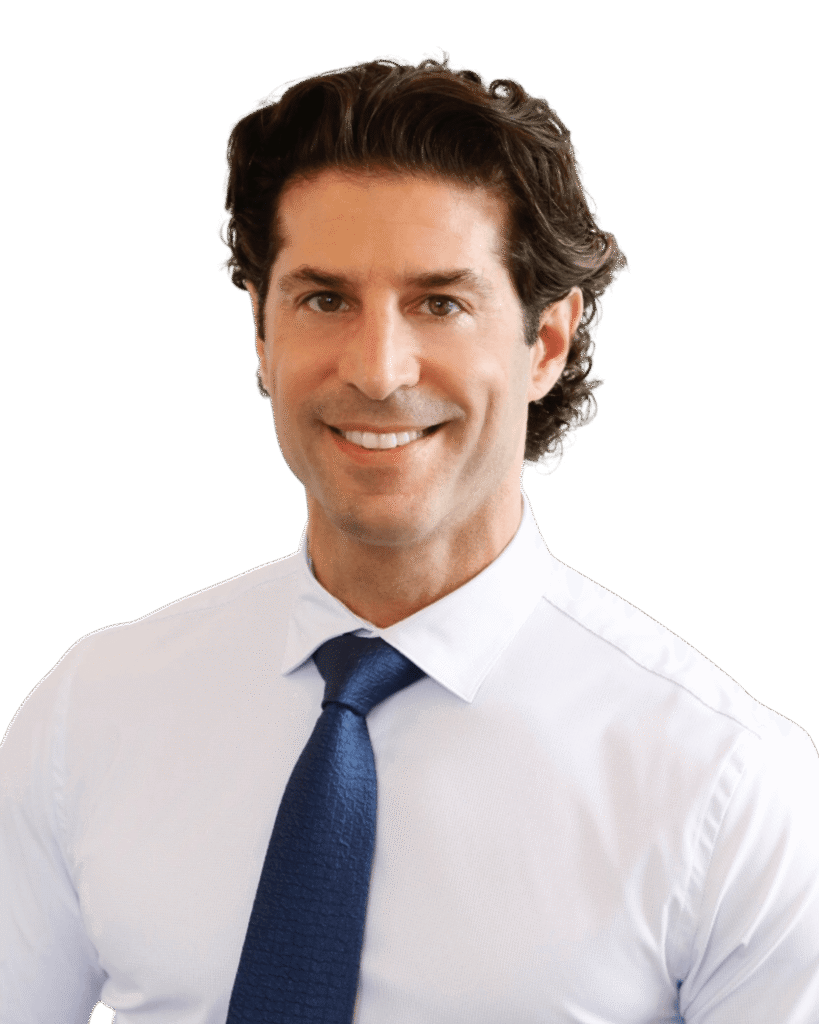
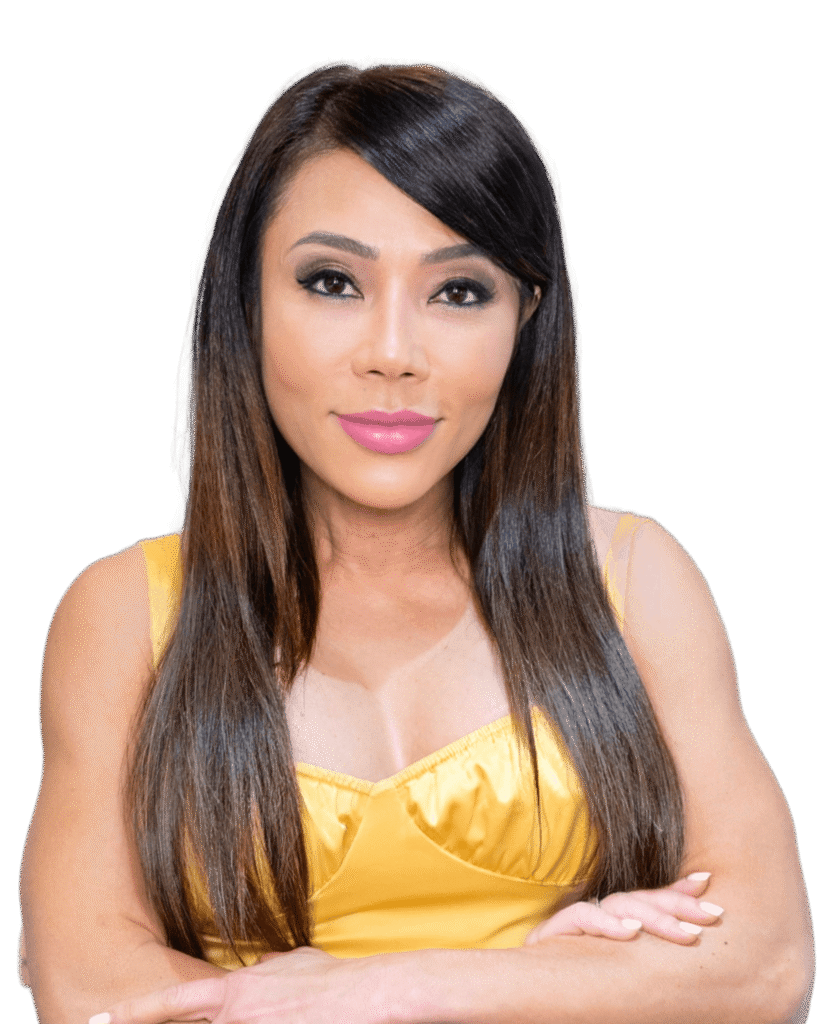
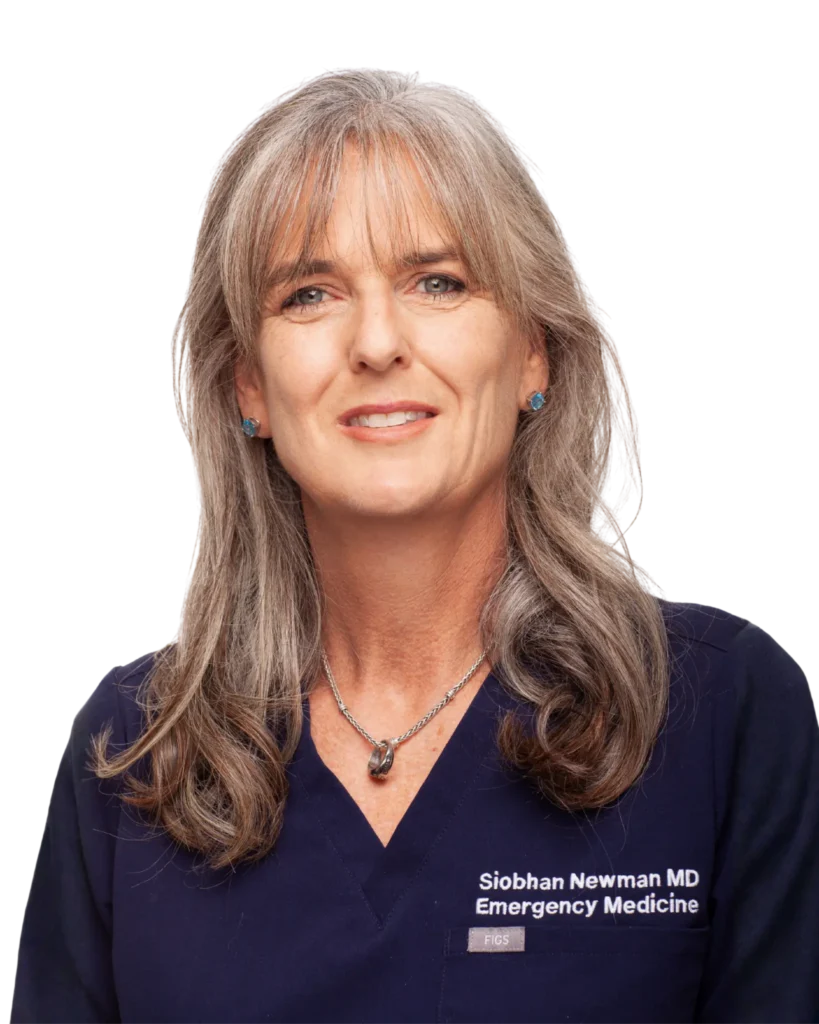
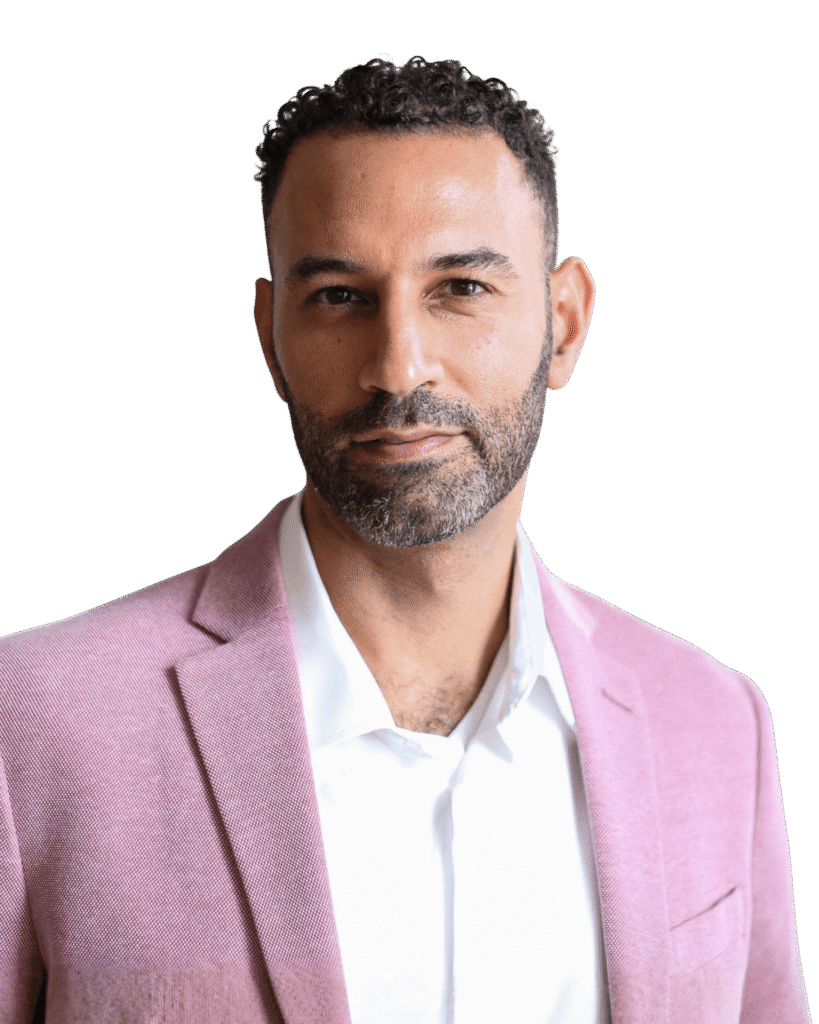
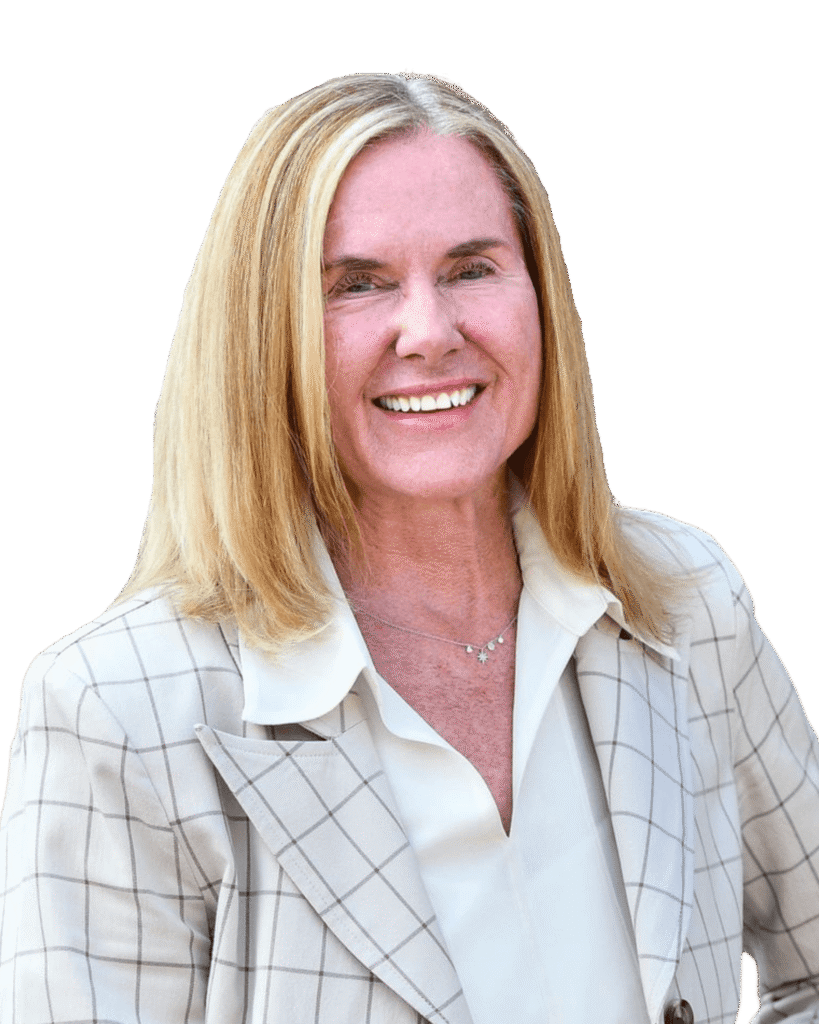
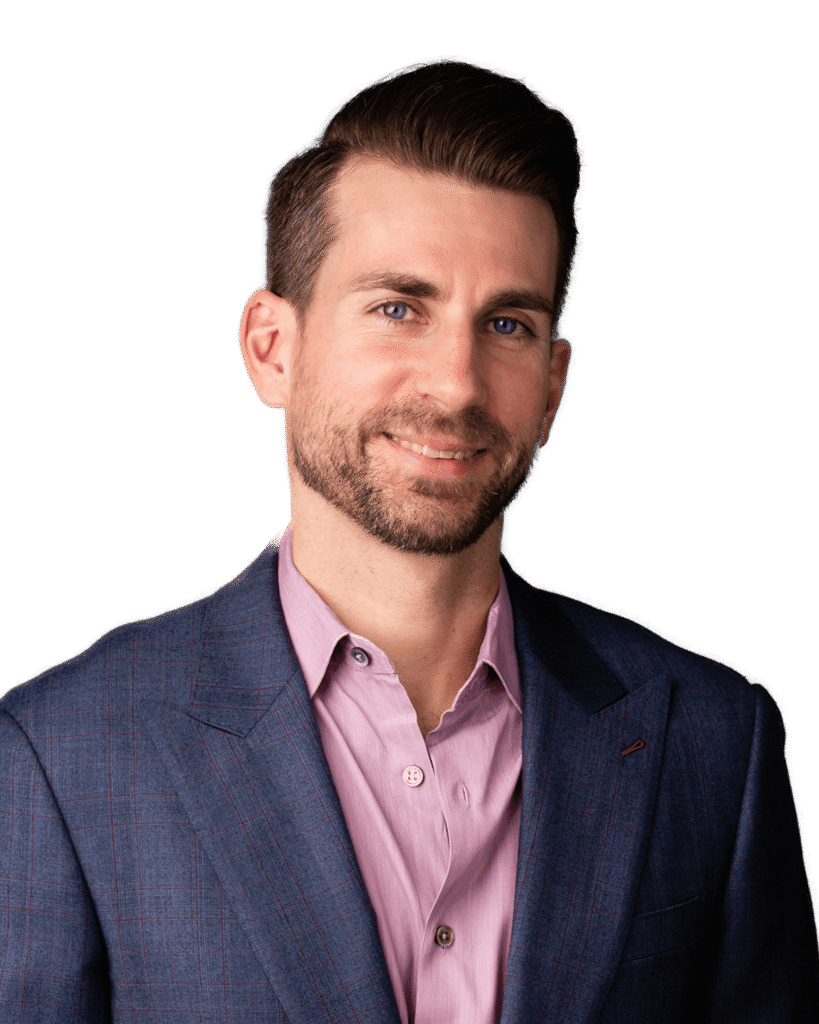
Learn from the experts

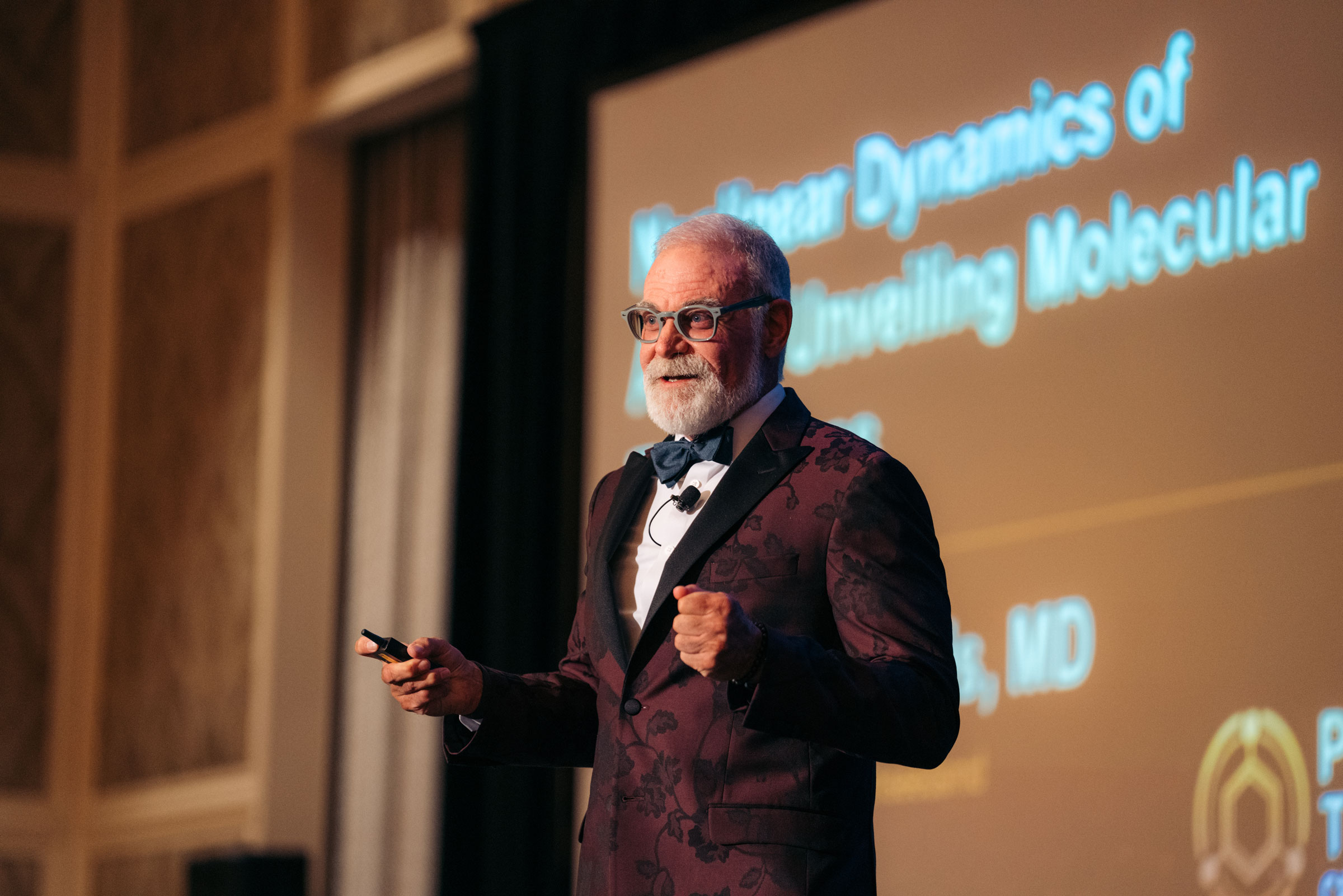
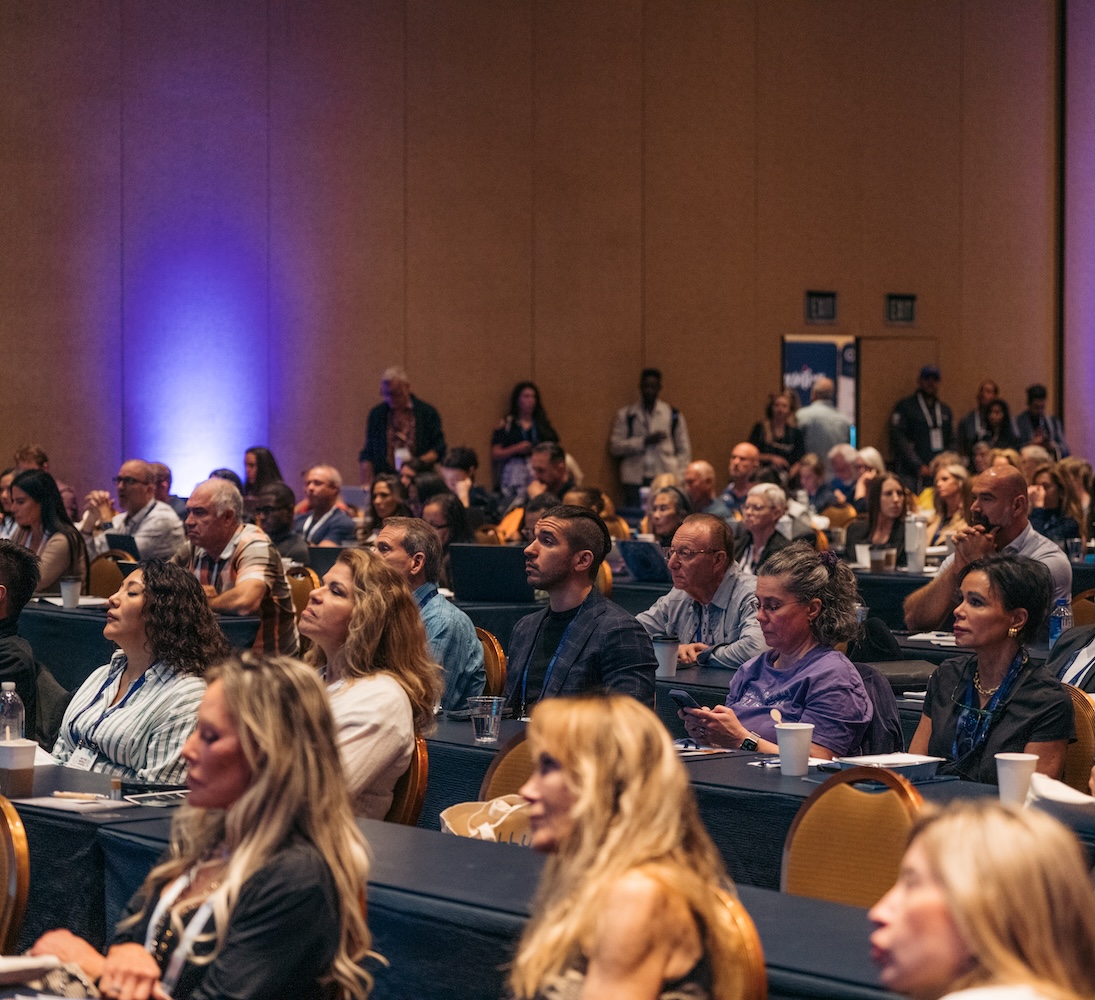
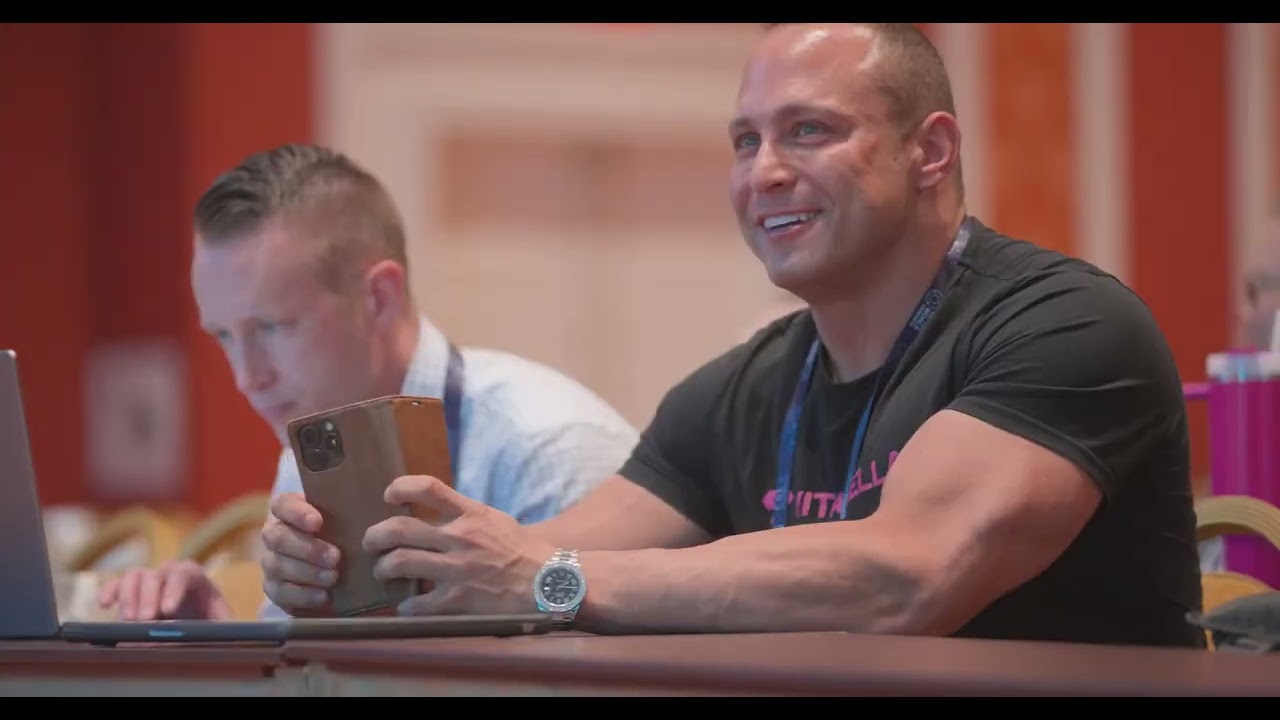
Highlights of Peptide World Congress 2025
Sessions
| Status | Lesson Title | Speaker | Duration |
|---|---|---|---|
| William Seeds, MD – KEYNOTE: Optimizing Cellular Pathways for Transformative Outcomes |
 William Seeds
|
1 hr 35 min | |
| Carl Paige, MD – Putting it all Together: 6 Months of the SSRP Grand Rounds Experience |
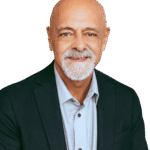 Carl Paige
|
49 min | |
| Siobhan Newman, MD – Peptide Therapy: Beyond Optimization – Treating Serious Health Conditions |
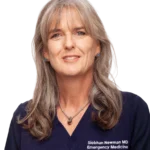 Siobhan Newman
|
55 min | |
| Jaime Milheiro, MD, PhD – Faster or Fasted: Optimizing Lipid Intake to Enhance Physical Performance and Cognitive Function |
Jaime Milheiro
|
46 min | |
| Andy Franklyn-Miller, PhD – The Next Generation of AI Discovered Peptides for Personalized Care |
Andy Franklyn-Miller
|
23 min | |
| Pratik Patel, MS, RD – Built for Better Health: Bioactive Peptides, Biomarkers & the Future of Performance Medicine |
Pratik Patel
|
27 min | |
| Jacqueline Jacques, ND, FTOS – Human Milk Proteins in Precision Nutrition |
Jacqueline Jacques
|
20 min | |
| Ralf Jäger, PhD, FISSN, CISSN, MBA – Rethinking Amino Acid and Protein Supplementation: Dileucine Outperforms Leucine in Supporting Muscle Function |
Ralf Jäger
|
25 min | |
| Jaspreet Dhau – Breathe Healthy: Exploring the Impact of Indoor Air Purification on Human and Animal Health |
Jaspreet Dhau
|
28 min | |
| Duncan Ross, PhD – The Exosome Effect: Regeneration, Longevity, and the Future of Healing |
Duncan Ross
|
26 min | |
| Stephanie Venn-Watson, DVM, MPH – Metabolism, Cognition, Liver, Heart, and Red Blood Cells: A Systematic Review of C15:0 As a Health Aging Nutrient |
Stephanie Venn-Watson
|
44 min |
| Status | Lesson Title | Speaker | Duration |
|---|---|---|---|
| Achint Choksy, MD, FSSRP – Intersection of Peptides and Essential Oil Genomics with Holistic Therapies and their Outcomes |
Achint Choksy
|
55 min | |
| Anthony Castore, FSSRP – The Architecture of Adaptation: A Case Study in Elite Recomposition Through Strategic Signaling |
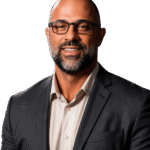 Anthony Castore
|
51 min | |
| Khanh Nguyen, MD, FSSRP – From Sick Care to Cell Care: A Physician’s Journey to Regenerative Care and Healthspan |
 Khanh Nguyen
|
42 min | |
| Valerie Donaldson, MD, FSSRP – IGF-1: An Eternal Life Hormone |
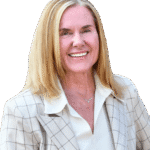 Valerie Donaldson
|
52 min | |
| William Seeds, MD – Beyond the Scale: Unlocking the Full Impact of GLP-1s as Cellular Medicine’s Next Frontier |
William Seeds
|
53 min | |
| Stephen Matta, DO, MBA, FSSRP – Stellates and Beyond: Treating Nervous System Dysregulation with Cellular Medicine |
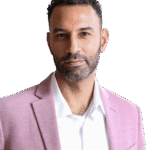 Stephen Matta
|
36 min |
| Status | Lesson Title | Speaker | Duration |
|---|---|---|---|
| Sal di Stefano – The Most Effective Fitness and Diet Strategies for Health, Fat Loss, Muscle Strength, and Longevity |
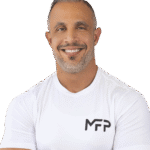 Sal Di Stefano
|
48 min | |
| Tyna Moore, ND, DC – Peptides Aren’t Magic – They’re Multipliers |
Tyna Moore
|
45 min | |
| Lauren Fitzgerald, MD – Outside the Box: An Unconventional Approach to Conventional Medicine Looking at Standard of Care vs Optimal Care |
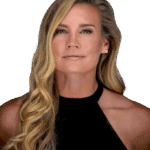 Lauren Fitzgerald
|
47 min | |
| William Christian Haas III, MD, MBA – Advanced Cellular Mechanisms in Accelerated Recovery: An Evidence-Based Approach to Enhanced Healing Following Major Surgical Interventions and Traumatic Injuries |
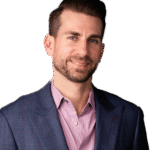 William Christian Haas III
|
35 min | |
| Healthspan Summit Panel – Integrated Performance Medicine: Peptides, Biomarkers, and Personalization |
William Seeds
 SSRP Guest Lecturers
|
51 min | |
| SSRP Fellowship Panel – How Learning Pathways and Cellular Medicine (the SSRP Model) has Helped Improve Patient Outcomes, Clinical Efficiency, and Your Skills as a Provider |
 Jamie Gabel
 Juan Bautista
SSRP Guest Lecturers
Juan Bautista
SSRP Guest Lecturers
|
36 min | |
| SSRP Faculty Panel – Healthspan over Hype: Where the Real Experts Focus Their Efforts |
SSRP Guest Lecturers
|
27 min |
| Status | Lesson Title | Speaker | Duration |
|---|---|---|---|
| Justine Stenger – Mitochondrial Restoration with Lipid Replacement Therapy |
Justine Stenger
|
45 min | |
| Mark Newman, MS – Metabolic Cause and Effect on Women with PCOS – a Fascinating Case of Hormonal Interdependence |
Mark Newman
|
52 min | |
| Gerald Morris, MD, MPH, ABOM – Sound Healing: Shockwave Therapy in Regenerative Medicine |
Gerald Morris
|
52 min | |
| Ted Achacoso, MD – Health Optimization Medicine and Practice (HOMe/HOPe): The First and Only Multi-Omics Clinical Framework that Defines and Delivers the Standard of Care for Health, Not Disease |
Ted Achacoso
|
43 min | |
| Scott Sherr, MD | Thomas DeLauer – The Parasympathetic Edge: How to Live Smarter (Not Harder) for Fat Loss, Longevity & Sustained Energy |
Scott Sherr
Thomas DeLauer
|
55 min | |
| Kelli Musa – This Is Not Your New Normal: How Midlife Women Are Rewriting Their Wellness with Peptides, Muscle & Nutrition |
 Kelli Musa
|
46 min | |
| Lindsey Berkson – Hormones Vindicated & Intimate with Peptides |
 Devaki Lindsey Berkson
|
56 min |
Questions? Our Provider Care Team is here to help.
We'd love to help you determine the best next steps on your Cellular Medicine journey.
See what our community has to say