Cellular Medicine Foundations
How cells respond to stress for clearer clinical reasoning in complex, energy-related presentations
For health professionals building a stronger cellular framework
This foundational course introduces the tenets of cellular medicine through a series of lessons that break down how cells make energy and adapt to stress through changes in metabolism, mitochondrial function, redox balance, and cell signaling that together influence gene expression. Across six lessons, you will examine how common stressors contribute to cumulative burden (“allostatic load”), how cells shift between glycolysis and mitochondrial respiration, and how oxidative stress can shape downstream responses such as repair, autophagy, senescence, and apoptosis. The course also connects immune activation to energy demands and cofactor availability and demonstrates how epigenetic “signatures” illustrate changes in phenotype with or without changing DNA sequence. In this foundational course, you will develop a basic understanding of the dynamics of cellular metabolism and the factors that can interfere with proper – or efficient – functioning. The course is designed for health professionals and advanced students who want a structured foundation in cellular medicine to inform their application of peptide therapy for optimal clinical results.
What's Included
The course is organized as six on-demand lessons that build from foundational cellular concepts to applied mechanistic frameworks. The sequence is designed to help you connect stress, energy metabolism, and signaling to clinically relevant patterns without relying on protocol-driven instruction.
- Over 1 hour of video content
- 3 modules
- 6 lessons
- Downloadable learning guides
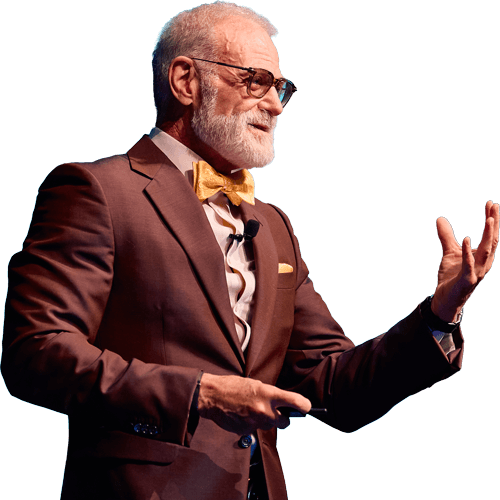
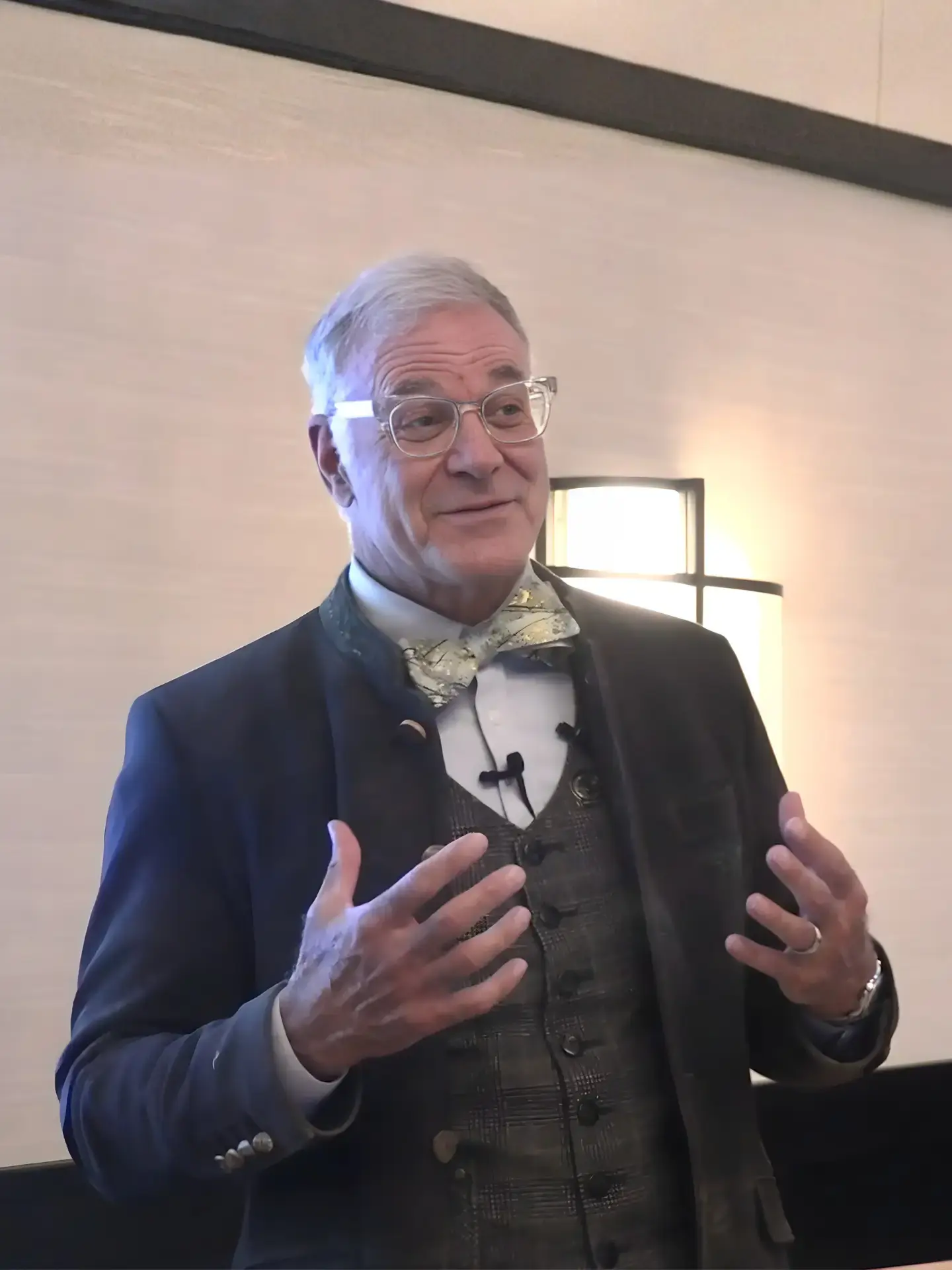
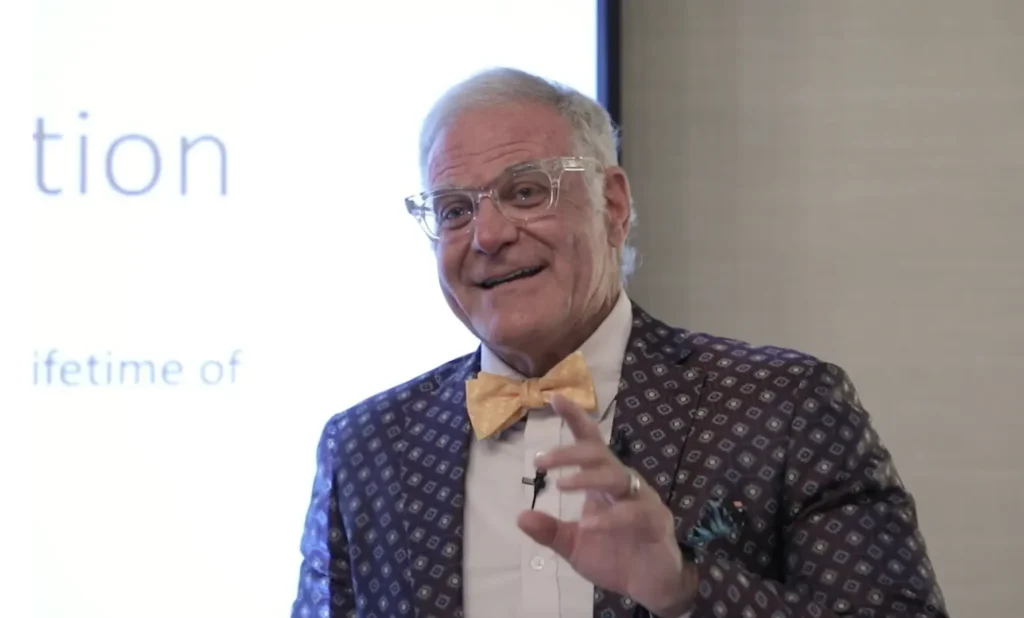
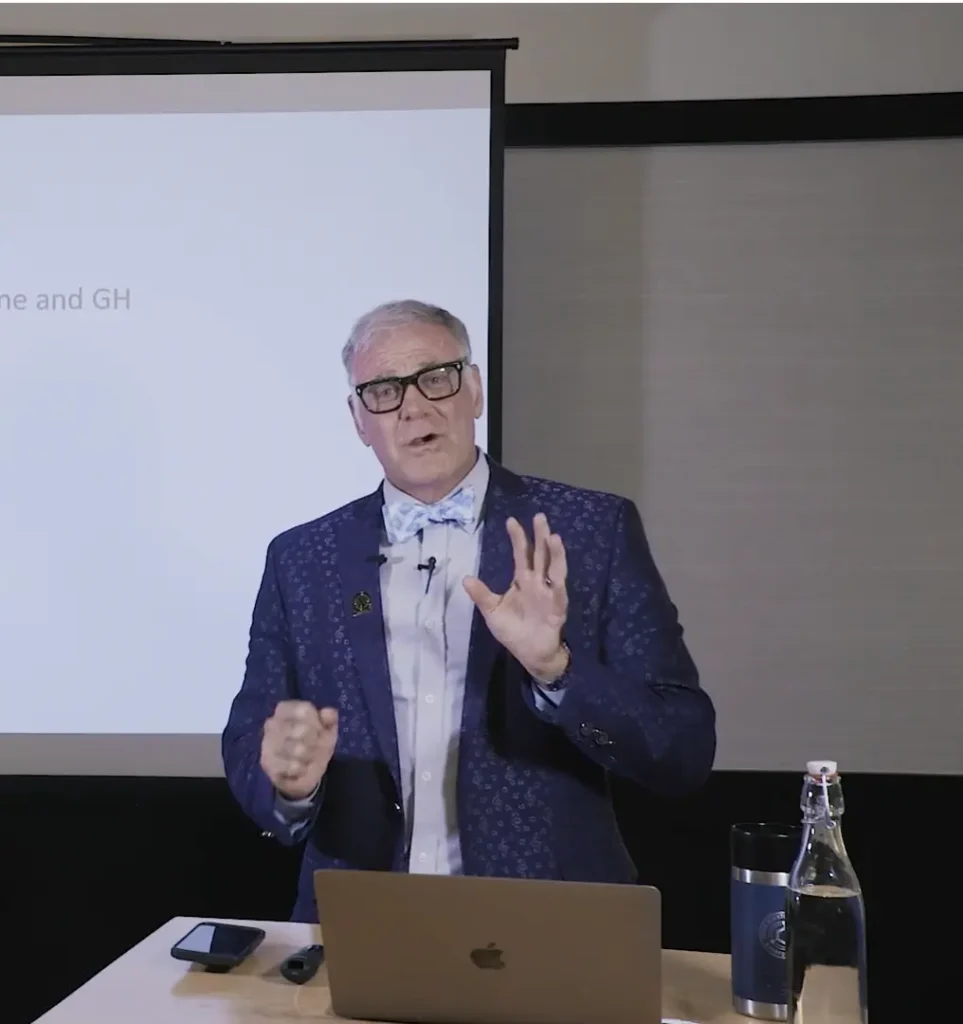
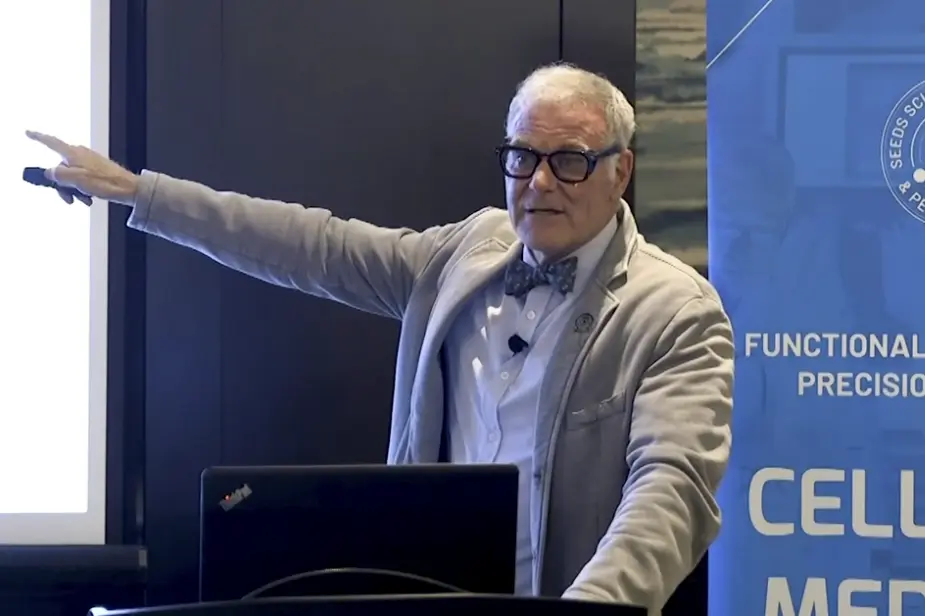
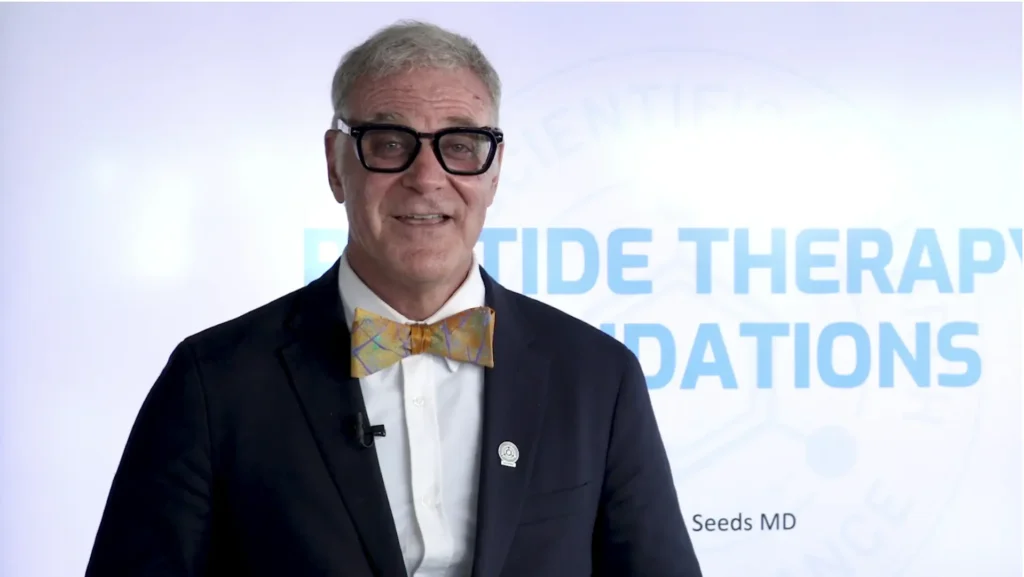
William Seeds
MD
For over 40 years, Dr. William A. Seeds has dedicated his career to studying cellular and molecular pathways within the human body. As Founder of both the SSRP Institute and Redox Medical Group, he leads the field in Cellular Medicine and Epigenetics by bringing cutting-edge research to the forefront of patient care, optimizing cellular efficiency, and addressing the root causes of diseases.
Course Curriculum
| Status | Lesson Title | Speaker | Duration |
|---|---|---|---|
| Lesson 1.1: Introduction |
 William Seeds
|
25 min | |
| Lesson 1.2: Digging into Cellular Metabolism |
William Seeds
|
10 min |
| Status | Lesson Title | Speaker | Duration |
|---|---|---|---|
| Lesson 2.1: The Ongoing Conversation Between Mitochondria and the Nucleus |
William Seeds
|
15 min | |
| Lesson 2.2: The Precursors to Phenotypical Changes |
William Seeds
|
13 min |
| Status | Lesson Title | Speaker | Duration |
|---|---|---|---|
| Lesson 3.1: How Cell Metabolism Can Influence Epigenetic Changes |
William Seeds
|
22 min | |
| Lesson 3.2: Epigenetic Regulation |
William Seeds
|
21 min |
Questions? Our Provider Care Team is here to help.
We'd love to help you determine the best next steps on your Cellular Medicine journey.