Resource Library
Explore our comprehensive library of courses, videos, podcasts, articles, books, news, and events.
Anti-Aging Mini Mastermind Part 2
In Part 2 of our Anti-Aging Mini Mastermind series, Dr. Seeds explores how PGE2 signaling and cellular metabolism influence inflammation, cognitive function, and aging, connecting foundational research to emerging discoveries in immunometabolism. (2026 Article) (2021 Article)
Dr. Seeds’ Office Hours – Episode 108
Questions Answered:
1. ARA-290 for Post Op 47yo Male [0:53]
2. Cold Therapy and the Wim Hof Method [17:06]
Mini Anti-Aging Mastermind Part 1: Restored clearance of senescent neutrophils by tissue-resident macrophages limits organ aging
Part 1 of a special Mini Anti-Aging Mastermind inspired by the recent Science article exploring how impaired clearance of senescent neutrophils may contribute to age-related organ decline. Dr. Seeds begins breaking down the cellular mechanisms behind the research and what they reveal about the biology of aging. (Article Link)
In this episode, Dr. Seeds addresses the many misunderstandings related to peptides and cancer.
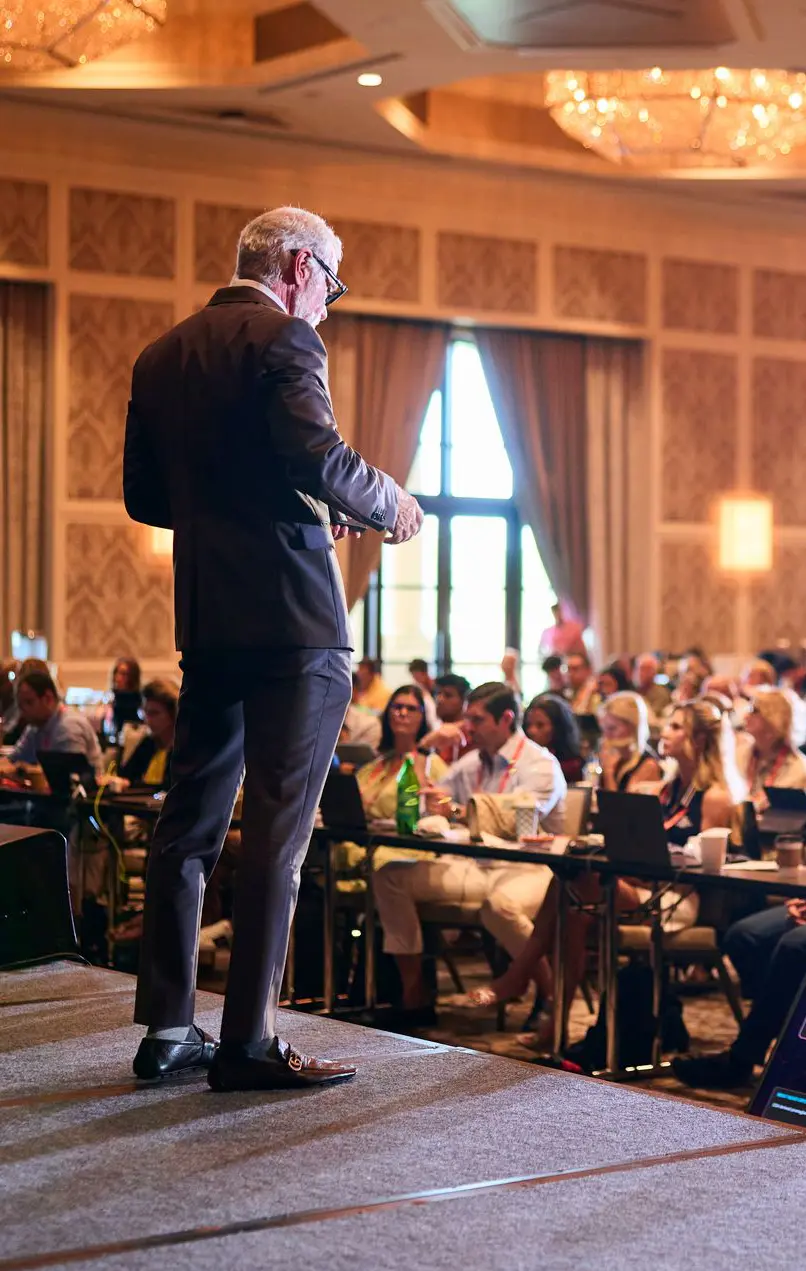
Peptide Support After Transplant: What to Consider First
Dr. Seeds explores how to protect graft integrity and identify the right cellular targets before considering peptide support in a patient six years post liver transplant.
Dr. Seeds’ Office Hours – Episode 105
In this episode of Redox Revolution, Dr. Seeds welcomes orthopedic surgeon, Dr. Omar Rahman, who shares how he came to integrate cellular medicine and peptide therapy into his practice.
Phenotyping is Essential to Cellular Medicine
In this episode of Rabbit Holes, Dr. Seeds breaks down why phenotyping is essential to Cellular Medicine. Understanding the individual patient allows for more precise, personalized care instead of guessing or relying on random peptide protocols.
In this episode of Redox Revolution, Dr. Seeds addresses the misinformation about alcohol and clarifies common misunderstandings related to alcohol’s immediate and long-term effects on the brain and the body and the distinctions between abuse and addiction.
Liposomal Peptides
Dr. Seeds takes a closer look at liposomal peptides, including Epitalon, BPC-157, TB4, KPV, and GHK-Cu, and examines the claims around sourcing, stability, absorption, bioavailability, injection fatigue, and whether these formulations can truly compare to injectable peptides.
Office Hours PWC26 Virtual Summit Part 4- Episode 102
- Compounded topical creams and GHK-Cu with microneedling (0:59)
- Detoxing before using copper (12:09)
- Patient onboarding process (12:54)
- Zinc and iron supplementation with GHK-Cu (23:41)
- Loss of taste after COVID (25:55)
- 3D CT scans for root canals (27:03)
- Oral bacteria swabs and GLP-1 effectiveness (28:00)
- Endocannabinoid system (29:07)
- GHK-Cu efficacy on wound beds (32:05)
In this episode of Redox Revolution, Dr. Seeds examines hearing loss, the factors that cause significant loss, and what we can do now to prevent it.
Office Hours PWC26 Virtual Summit Part 3 – Episode 101
1. Mitochondrial peptides (1:07)
2. MOTS-c cycle (3:50)
3. Injury site specific injection (9:25)
4. BPC-157 dosing (15:18)
5. Trusted labs (20:56)
6. What “redox” means (25:48)
7. Patient with cervical fusion, pain, and decreased range of motion (31:36)
8. Lipedema (37:03)
9. SS-31 and MOTS-c (37:52)
10. NanoVI device (44:49)
11. NAD (48:13)
In this episode of Redox Revolution, Dr. Seeds discusses the lasting effects of Lyme Disease and the newest treatments that may offer answers and relief to the 450k+ Americans who are infected each year by Lyme Disease.
Office Hours PWC26 Virtual Summit Part 2 – Episode 100
- Evaluating terrain of the patient (1:43)
- SS31 peptide in practice (8:50)
- Phenotyping the right patient for GLP-1 therapy (11:18)
In this episode of Redox Revolution, Dr. Seeds follows up on the surprising effects of stress on the body and brain. He answers such questions as: why is stress necessary for brain functioning? What are the conditions to maximize the positive effects of stress? How can we “flip” stress from being a negative to a positive?
Office Hours: PWC26 Virtual Summit Part 1 – Episode 099
This special edition of Office Hours features questions submitted during the Peptide World Congress Virtual Summit on July 10 and 11. Dr. Seeds and Dr. Newman address:
- GLOW Stack, MOTS c, and Thyroid Function (0:50)
- Should the GLOW Stack Be Separated? (3:31)
- Peptides in Transplant Medicine (8:02)
- Biomarker Monitoring (13:21)
- Peptides in Acute and Long Term Stroke Recovery (17:37)
- Autoimmunity and the GI Tract (23:00)
- Cancer Concerns Related to Hormones and Angiogenesis (26:49)
In this episode of Redox Revolution, Dr. Seeds explores the benefits and costs of stress on the body. He delves into why the body needs stress, how too much stress harms the body, and how best to optimize stress levels for metabolic efficiency and cellular performance.
Pentosan Polysulfate: Dosing, Safety, and Monitoring
Dr. Seeds examines the subcutaneous use of pentosan polysulfate, addressing concerns about injection site scarring and ocular safety. He discusses dosing, site rotation, cumulative exposure, retinal screening, and strategies for responsible, individualized treatment.(Question Link)
In this third book, Dr. Seeds offers readers a concise guide to both the research and clinical applications of GLP-1s and other peptides. This book is intended to empower medical professionals and individuals who want to be part of a healthcare movement committed not only to longevity but to optimal healthspan.
Balancing cellular redox does not have to be complicated: it’s about giving the body what it needs with proper nutrients, eliminating waste, and maintaining cellular balance. By identifying 30 research-backed supplements that support redox balance, decrease inflammation, balance the gut’s microbiome, and empower the immune system, The Redox Promise provides practitioners and patients a powerful framework to protect health and extend healthspan.
Supported by extensive peer-reviewed studies, Peptide Protocols offers insight and practical knowledge on how to support patients before, during, and after treatment. This groundbreaking Cellular Medicine approach to disease treatment and prevention has the potential to transform outcomes in patient care and change lives.