
Peptide Therapy Foundations: Metabolic Balance
A clinical survey of the incretin and metabolic peptides, from single GLP-1 agonists to dual and triple agonists and targeted melanocortin…
Course Overview
What this course covers
This course examines the peptides reshaping metabolic medicine: the incretin mimetics and related agents that act on appetite, glucose handling, and body weight. It is written for clinicians who want a working understanding of how each agent engages its receptors, what the trial evidence shows, and how the options differ as the class expands from single-pathway drugs toward multi-receptor designs.
The lessons move along a spectrum of mechanism. Liraglutide and Semaglutide act as GLP-1 receptor agonists. Tirzepatide adds GIP activity for dual agonism, and Retatrutide extends that further into triple GIP, GLP-1, and glucagon receptor activity. Cagrilintide works through the amylin pathway, and Setmelanotide targets the melanocortin 4 receptor for specific genetic forms of obesity. Together they show how receptor selectivity and combination shape the metabolic effect.
Each lesson follows the same clinical lens: what the agent is, how it works, what the evidence shows, and what a practitioner weighs before applying it. The result is a comparative map of the metabolic class that lets you reason about any single agent in the context of its alternatives.
What you'll explore
- Distinguish single, dual, and triple receptor agonists by mechanism and metabolic effect
- Compare the incretin peptides on receptor target, evidence, and clinical use
- Identify where amylin and melanocortin pathways fit alongside incretin therapy
- Apply a consistent clinical framework when evaluating a metabolic peptide for use

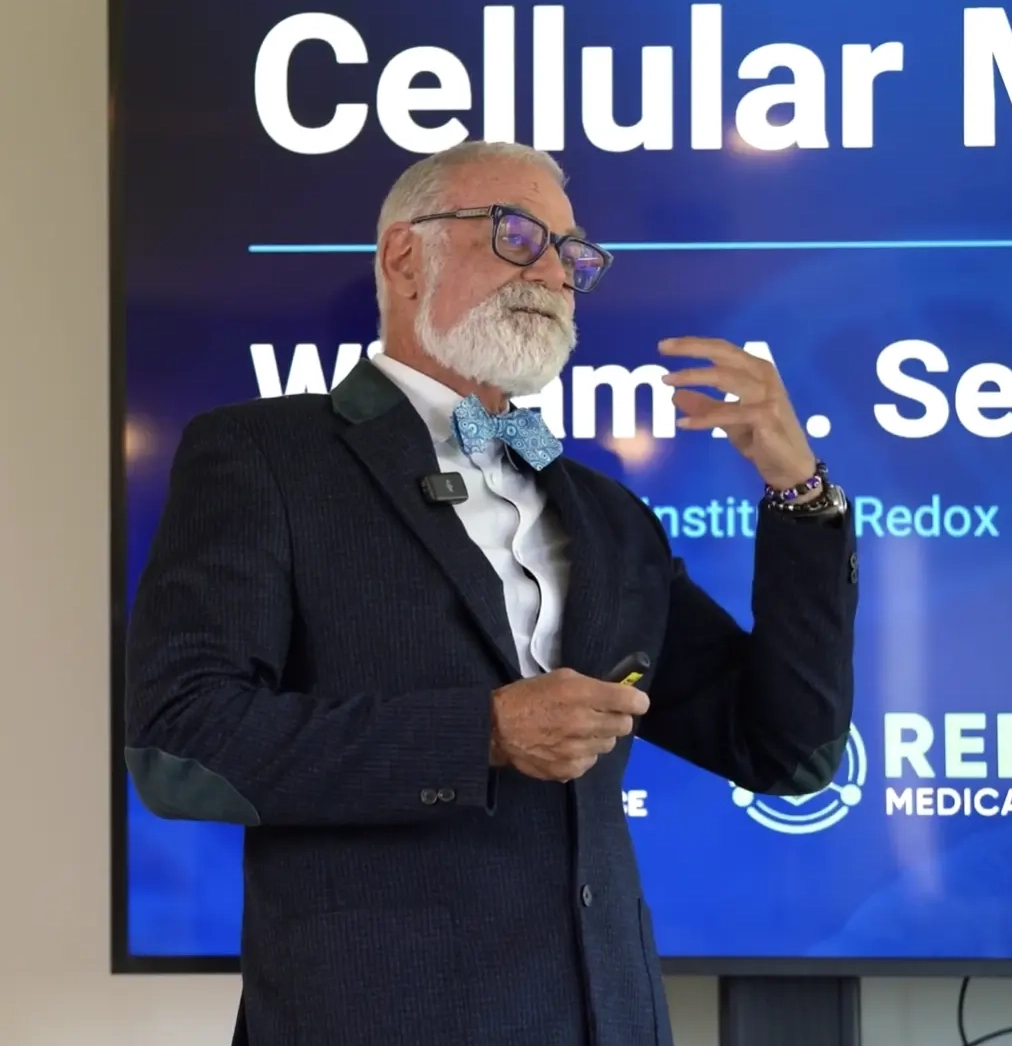
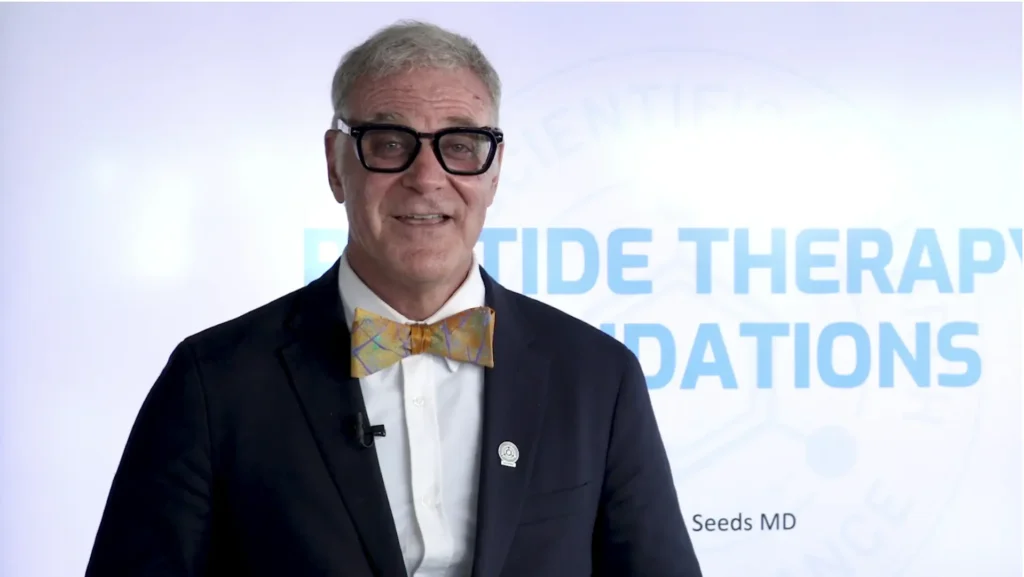
William Seeds
MD
For over 40 years, Dr. William A. Seeds has dedicated his career to studying cellular and molecular pathways within the human body. As Founder of both the SSRP Institute and Redox Medical Group, he leads the field in Cellular Medicine and Epigenetics by bringing cutting-edge research to the forefront of patient care, optimizing cellular efficiency, and addressing the root causes of diseases.
Course Curriculum
| Status | Lesson Title | Speaker | Duration |
|---|---|---|---|
| Cagrilintide |
 William Seeds
|
46 min | |
| Liraglutide |
William Seeds
|
57 min | |
| Semaglutide |
William Seeds
|
1 hr 1 min | |
| Tirzepatide |
William Seeds
|
41 min | |
| Retatrutide |
William Seeds
|
40 min | |
| Setmelanotide |
William Seeds
|
32 min |

Questions? Our Provider Care Team is here to help.
We'd love to help you determine the best next steps on your Cellular Medicine journey.