Peptide Therapy Foundations: Immune Regulation
A clinical survey of the thymic and host-defense peptides that modulate immune signaling.
Course Overview
What this course covers
This course examines the peptides that shape immune function: the thymic peptides that help regulate the maturation and balance of the immune response, and the host-defense peptides that act at the front line of innate immunity. It is written for clinicians who want to understand how these agents influence immune signaling and where each one fits in practice.
The lessons center on the thymic family. Thymalin, Thymosin Alpha-1, Thymosin Beta-4, and Thymulin each act on different aspects of immune regulation, from T-cell maturation and modulation to tissue repair and anti-inflammatory signaling. LL-37, a cathelicidin host-defense peptide, rounds out the picture with its role in innate antimicrobial defense and immune crosstalk.
Each lesson follows the same clinical lens: what the agent is, how it works, what the evidence shows, and what a practitioner weighs before applying it. Together they map the immune-regulating peptides as a group so you can reason about any single agent in the context of the others.
What you'll explore
- Describe how thymic peptides influence immune maturation and balance
- Distinguish the roles of Thymosin Alpha-1, Thymosin Beta-4, Thymalin, and Thymulin
- Explain the host-defense role of the cathelicidin LL-37
- Apply a consistent clinical framework when evaluating an immune-regulating peptide
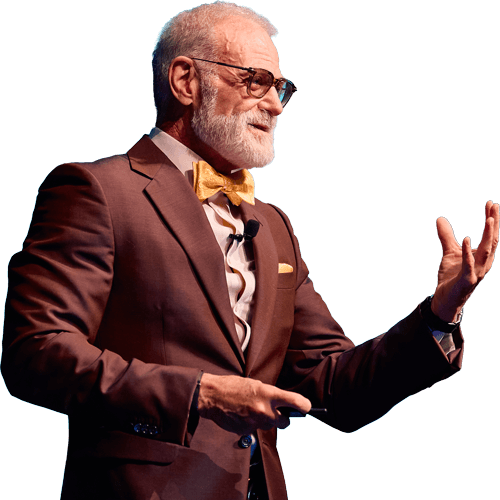
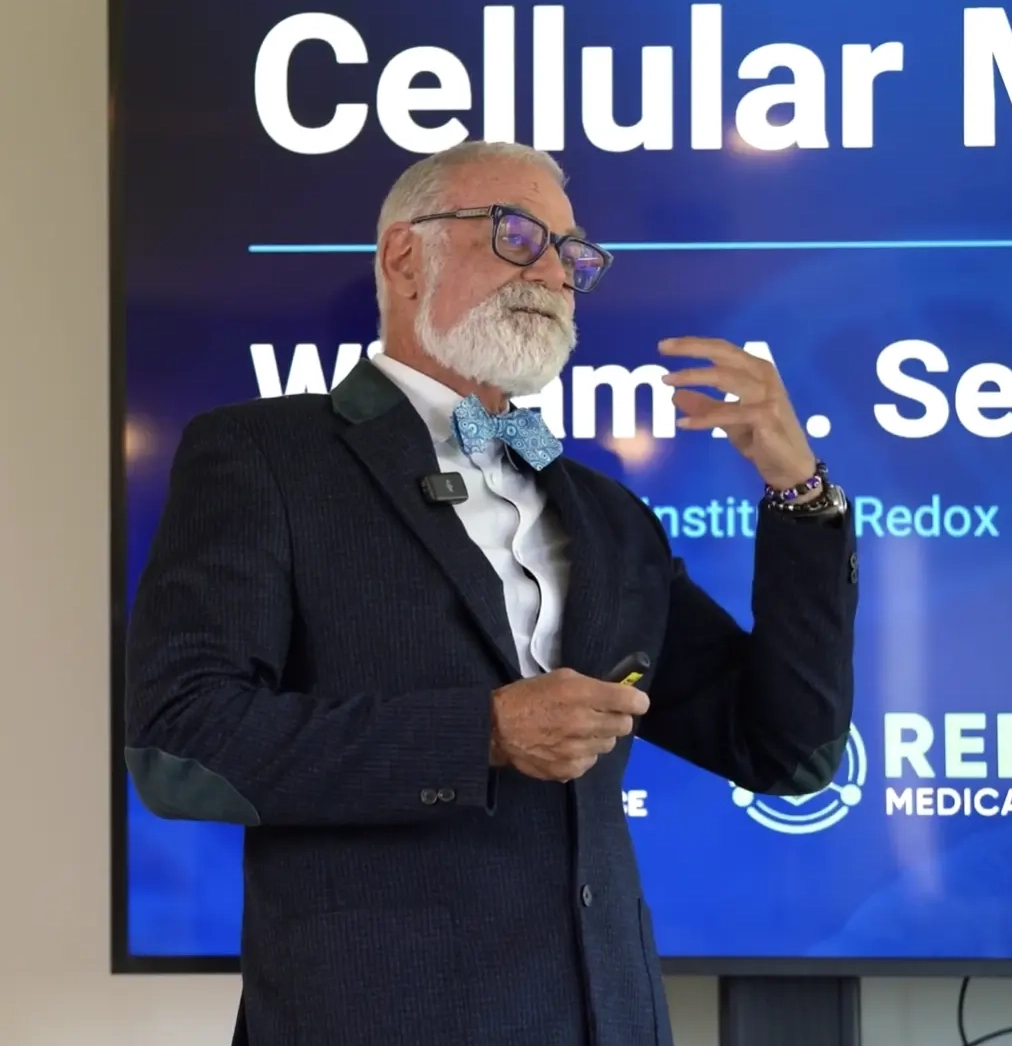
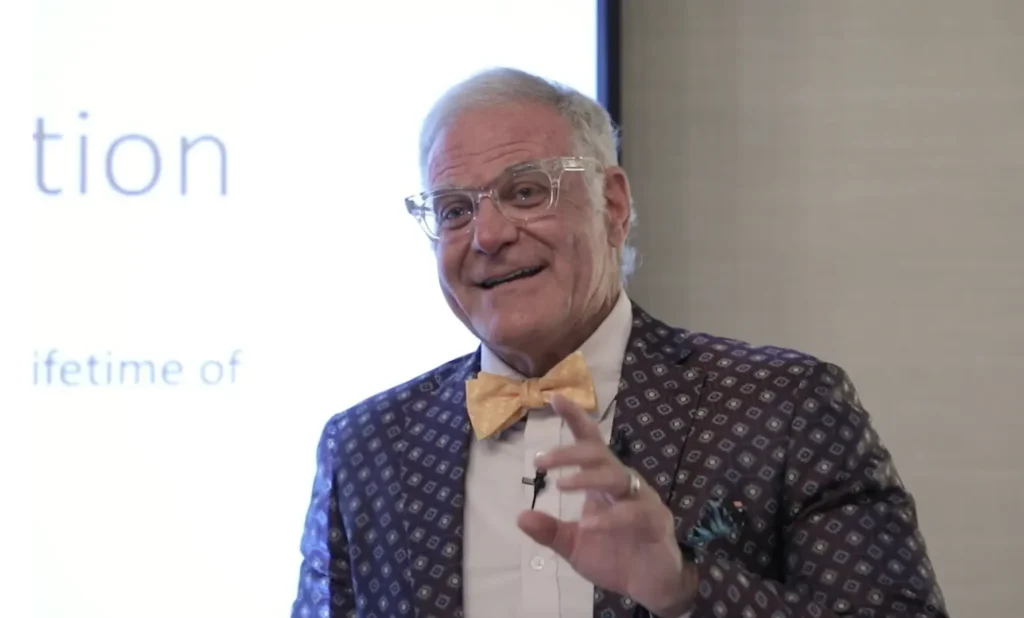
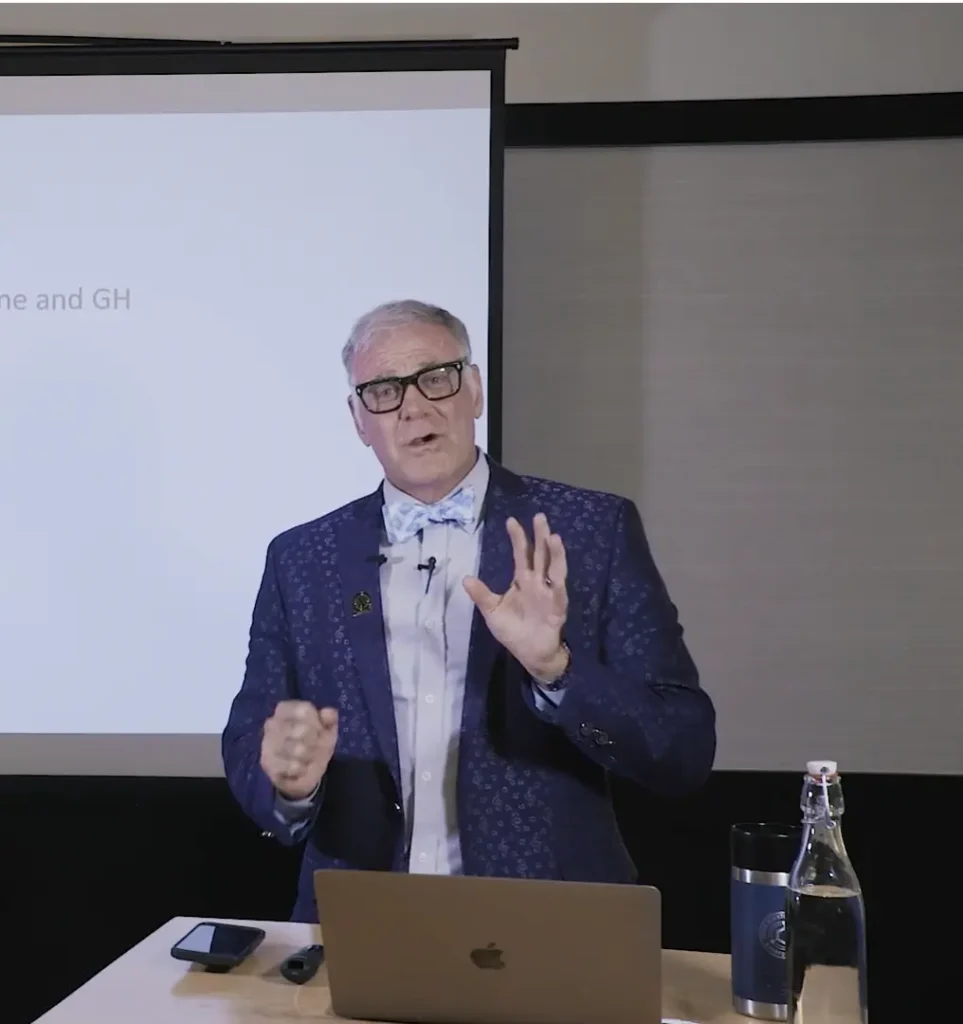
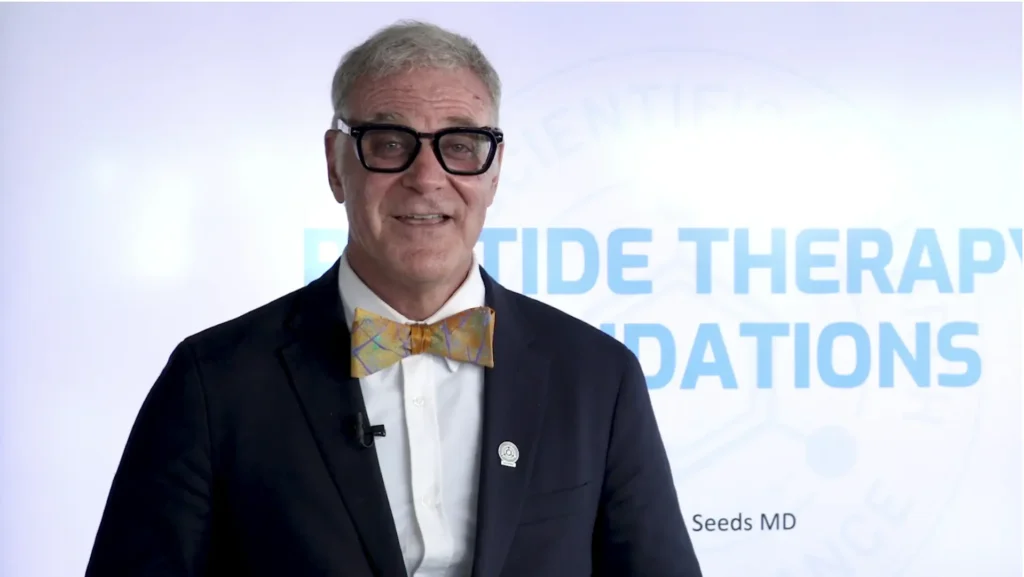
William Seeds
MD
For over 40 years, Dr. William A. Seeds has dedicated his career to studying cellular and molecular pathways within the human body. As Founder of both the SSRP Institute and Redox Medical Group, he leads the field in Cellular Medicine and Epigenetics by bringing cutting-edge research to the forefront of patient care, optimizing cellular efficiency, and addressing the root causes of diseases.
Course Curriculum
| Status | Lesson Title | Speaker | Duration |
|---|---|---|---|
| LL-37 |
 William Seeds
|
28 min | |
| Thymosin Alpha-1 |
William Seeds
|
43 min | |
| Thymalin |
William Seeds
|
29 min | |
| Thymosin Beta-4 |
William Seeds
|
33 min | |
| Thymulin |
William Seeds
|
47 min |
Questions? Our Provider Care Team is here to help.
We'd love to help you determine the best next steps on your Cellular Medicine journey.