

Recently I presented a Rabbit Hole (1/19/2026) related to the polyamine, spermidine, in response to a 2025 article, “Polyamines sustain epithelial regeneration in aged intestines by modulating protein homeostasis,” which appeared in Nature Cell Biology. I was fascinated by the premise of this study because it not only provides a mechanistic way of looking at the regenerative potential of spermidine but also highlights its function as a polyamine, not simply as a longevity supplement.
Indeed, the authors of the study were interested in understanding spermidine’s capacity to regenerate the intestinal epithelium as both a result of chemotherapy-induced enteritis and as a natural result of aging. I believe that the results of the study show a significant mechanistic correlation between Crohn’s and inflammatory bowel disease (IBD) and the downstream pharmaceutical effects of 5Fu chemotherapy that points to the therapeutic potential of polyamines like spermidine.
Spermidine Beyond Longevity
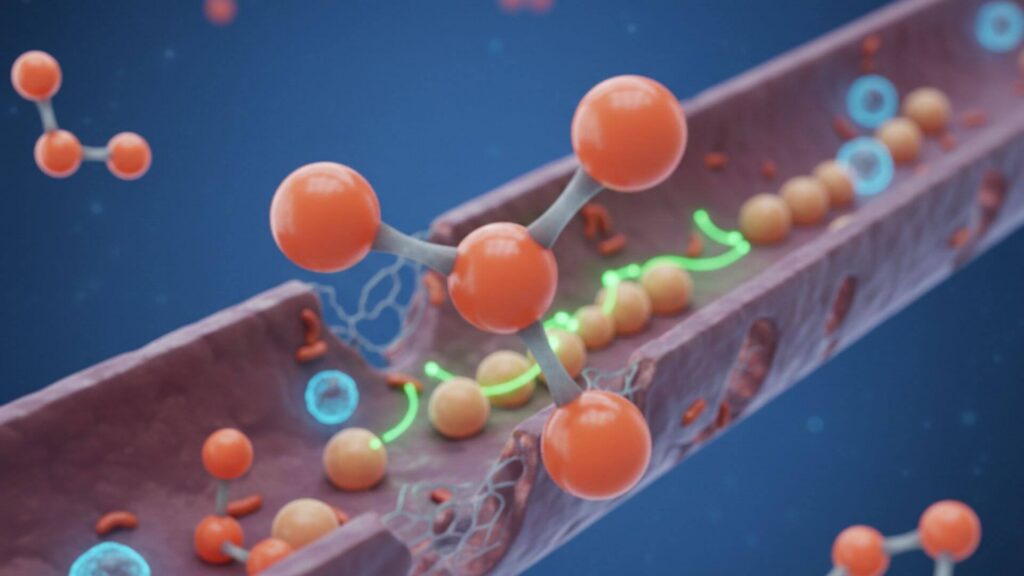
Spermidine is viewed as a longevity supplement for two main reasons; first, because it targets a central mechanism of aging, namely autophagy, which is necessary for cellular maintenance, and second, because polyamine production declines with age. With age, cells tend to accumulate damaged proteins, dysfunctional mitochondria, and cellular junk that drives inflammation and metabolic inefficiency. Spermidine has been shown to help upregulate autophagy pathways, which can, in turn, improve cellular resilience by clearing misfolded/aggregated proteins, improving mitochondrial quality control (mitophagy), and lowering the burden of oxidative stress and inflammatory signaling
However, this study points to another important role for spermidine. The researchers created an experimental model to examine small intestine regeneration by utilizing the chemotherapy agent, 5-fluorouracil (5-FU), which has been shown to inhibit DNA replication and RNA synthesis and affect ribosome function. Chemo treatment with 5-FU induces intestinal enteritis and mucositis, which leads to weight loss from fluid imbalance and food malabsorption. The authors cite three reasons they chose 5-FU: “(1) the mechanism of action targeting both nucleic acids and protein synthesis machinery, (2) the relatively milder effects compared with alternative injury models such as DSS or γ-irradiation and (3) the established age-related differences in intestinal regeneration.”
They discovered that, following a single injection of 5-FU in the intestinal epithelia of both young and old mice, “upon injury, old intestinal epithelia promote polyamine metabolism to overcome the emergence of proteostasis stress induced by tissue damage.*” Further, the study showed that in aging mice, epithelial lining can be regenerated by “activating the polyamine pathway before injury via an intervention based on dietary restriction (DR) followed by re-feeding (RF).**”
The Significance of Similarities Between 5-FU and Crohn’s/IBD
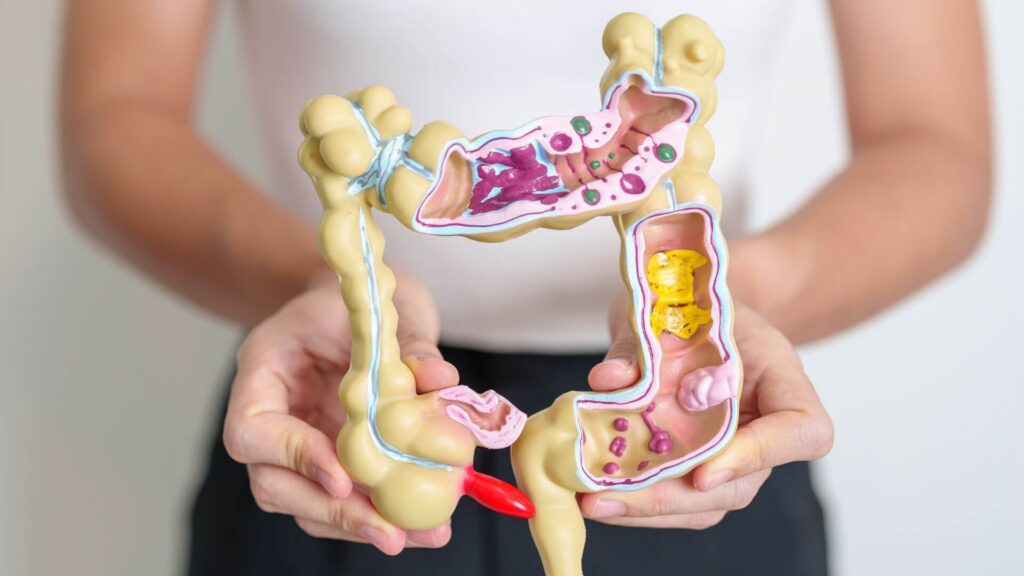
Significantly, 5Fu-induced mucosal injury and Crohn’s and other irritable bowel diseases (IBD) share a number of factors, including epithelial breakdown, barrier breakdown, microbial translocation, mitochondrial injury, oxidative stress, and an exaggerated innate immune activation. The causes are different, but the injury overlaps biologically. And while there have been a number of papers (since the 1980s) that have demonstrated the similarities in mucosal patterns of chemotherapy-induced enteritis and Crohn's changes to the epithelium, it’s important to consider these underlying factors.
Chemotherapies recruit neutrophils and macrophages the same way that Crohn's disease does. Also, in both situations, there is Paneth cell dysfunction, meaning that the Paneth cells in the small intestine (especially the ileum) are not doing their normal job of protecting and maintaining the intestinal lining. Paneth cells sit at the bottom of the intestinal crypts (the “stem cell niche”) and are supposed
to act like local security and maintenance for the gut by secreting antimicrobial peptides (especially α-defensins, plus lysozyme and others) that keep bacteria in the right place and prevent overgrowth of harmful microbes. Paneth cells are also responsible for helping to maintain a balanced microbial community in the microbiome, protect intestinal stem cells that support regeneration of the lining, and help maintain a tight mucosal barrier so microbes don’t invade tissue.
When this functioning gets disrupted, dysbiosis develops and the negative cascade is further amplified by tumor necrosis factor alpha and FKB signaling. Dysbiosis then creates the downstream consequences of impaired regeneration, and chronic inflammation, including epithelial stem cell injury, barrier loss, microbial products through the translocation that activate the toll like receptors, the node like receptors that activate the inflammasome, and mitochondrial reactive oxygen species that amplify NFKB and worsens the Paneth cell dysfunction. This is the case with both enteritis related to 5-FU chemotherapy and Crohn’s – both mechanistically through the pathways I just mentioned and clinically (and histologically) through ulceration, bleeding, pain, and diarrhea, etc. So despite there being a difference in the origin – with Crohn’s arising from immune issues and 5-Fu from pharmacologic issues - once the cascade begins, the biology overlaps almost completely.
This similarity or overlap of cellular pathway mechanisms between the two (Crohn’s and 5-FU injury) highlights the importance of modulating protein homeostasis through dietary or oral polyamines. Further, in aged intestinal injured cells polyamines are induced as an adaptive response to proteostasis stress and that spermidine, in particular, through supplementation or diet restriction-re-feed can restore epithelial regeneration by improving this protein homeostasis and translation of the extracellular matrix and their repair mechanisms.
An additional and compelling point the authors make is that this positive effect of polyamine regeneration did not drive tumor growth. (The authors do reference previous research that has raised the question of polyamine supplementation increasing the risk of tumor growth – which we necessarily must bear in mind.).
Conclusion
From a cellular medicine point of view, the take-home message of this study is how it helps us gain a broader picture of the polyamine inflammatory bowel disease process. When we consider the whole of the polyamine literature, especially where it touches on colitis and barrier function in tumor biology, issues of the aged intestine may be considered to be an example of a proteostasis bottleneck. Furthermore, I think we should consider polyamines as an inducible stress metabolite that can buffer this bottleneck in aged intestines and support epithelial regeneration –whether that’s treating the chronic inflammatory load of Crohn's or 5-FU-induced conditions. I think there's definitely a therapeutic vision here related to our treatment of older patients with Crohn's when we're using immunotherapies but we're still seeing the mucosal and the lymphatic swelling and issues that aren't going away. With the addition of polyamine therapy, we may be able to enhance the mucosal healing by restoring epithelial proteostasis and, at the same time, have the opportunity to reprogram the lamina propria macrophages (LpMs).
The potential result? We may be able to improve tumor risk.
Understanding Lamina Propria Macrophages (LpMs)
Reprogramming lamina propria macrophages (LpMs) is a therapeutic strategy designed to alter the behavior, metabolic state, or function of macrophages residing in the gut lining, shifting them from a pro-inflammatory (disease-promoting) state to a tissue-protective or anti-inflammatory (homeostatic) state.
In a healthy intestine, LpMs are primarily anti-inflammatory, producing IL-10 to maintain tolerance. However, in diseases like inflammatory bowel disease (IBD) or cancer, these macrophages are "reprogrammed" by the environment to promote inflammation or tumor growth
This study offers us translation evidence that asks us to consider polyamines such as spermidine as plausible agents for improving proteostasis and epithelial regeneration, and as an adjunct to immunotherapy – for disease states like Crohn’s and inflammatory bowel disease, and perhaps a way to further our understanding of cancer biology.
References:
Minetti, A., Omrani, O., Brenner, C. et al. Polyamines sustain epithelial regeneration in aged intestines by modulating protein homeostasis. Nat Cell Biol 27, 2063–2077 (2025). https://doi.org/10.1038/s41556-025-01804-9
*Minetti, A., Omrani, O., Brenner, C. et al. Polyamines sustain epithelial regeneration in aged intestines by modulating protein homeostasis. Nat Cell Biol 27, 2063–2077 (2025). https://doi.org/10.1038/s41556-025-01804-9
**Minetti, A., Omrani, O., Brenner, C. et al. Polyamines sustain epithelial regeneration in aged intestines by modulating protein homeostasis. Nat Cell Biol 27, 2063–2077 (2025). https://doi.org/10.1038/s41556-025-01804-9
Additional Reading about general role of polyamines and intestinal epithelium https://link.springer.com/article/10.1007/s00281-024-01035-4