
Peptide Therapy Foundations: Circadian Rhythms
A clinical look at the peptides tied to circadian biology.
Course Overview
What this course covers
This course examines the peptides connected to the body’s daily clock: the pineal-derived regulators and signaling peptides studied for their influence on circadian rhythm, sleep-wake timing, and the aging of the timekeeping system. It is written for clinicians who want to understand how these agents relate to circadian biology and how cautiously the evidence should be read.
The lessons cover three agents. VIP acts as a signaling peptide within the central circadian pacemaker, helping coordinate the network of clock neurons. Epitalon and Pinealon are short pineal-derived peptides studied for their effects on melatonin signaling and the regulation of circadian and aging-related processes. Each illustrates a different way the timekeeping system can be addressed.
Each lesson follows the same clinical lens: what the agent is, how it works, what the evidence shows, and what a practitioner weighs before applying it. Together they map the circadian peptides as a group so you can reason about each one against the others and against the limits of the data.
What you'll explore
- Explain how VIP contributes to signaling within the central circadian clock
- Describe the pineal-derived roles of Epitalon and Pinealon
- Weigh the strength and limits of the evidence behind each agent
- Apply a consistent clinical framework when evaluating a circadian peptide

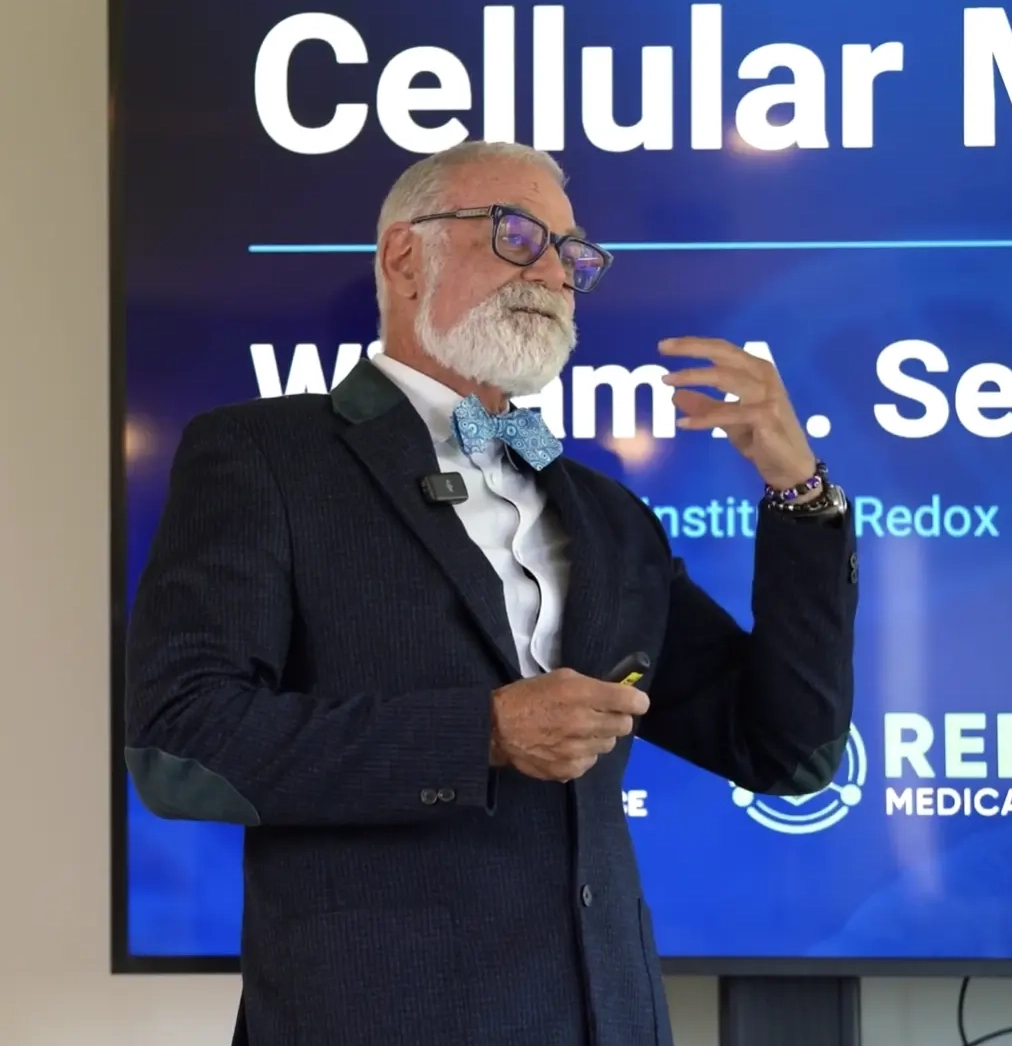
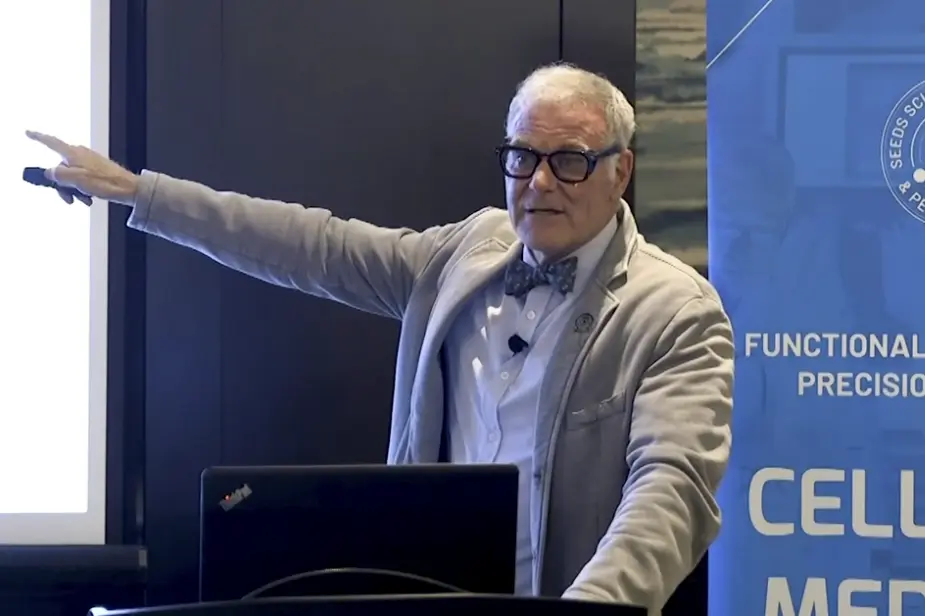
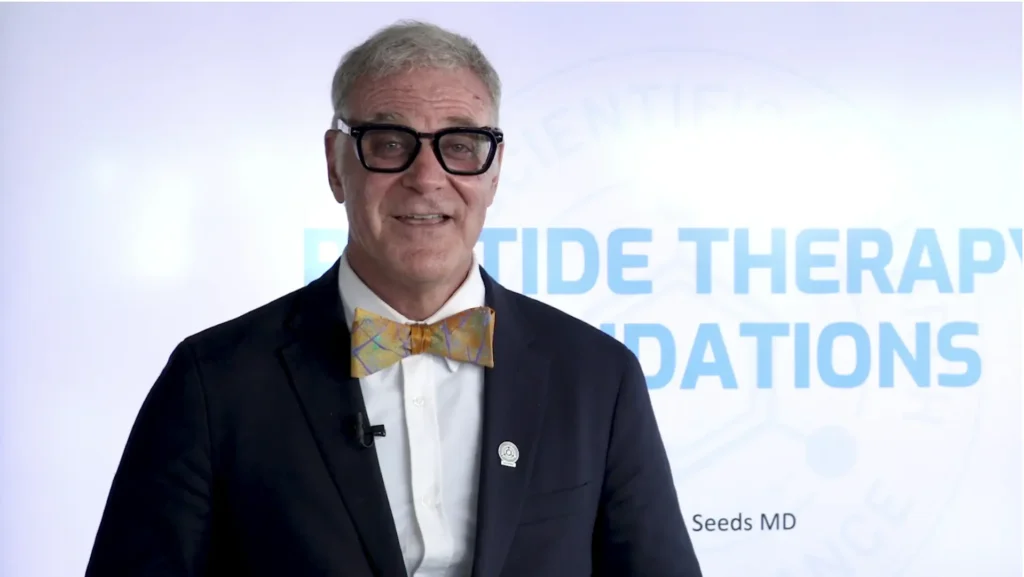
William Seeds
MD
For over 40 years, Dr. William A. Seeds has dedicated his career to studying cellular and molecular pathways within the human body. As Founder of both the SSRP Institute and Redox Medical Group, he leads the field in Cellular Medicine and Epigenetics by bringing cutting-edge research to the forefront of patient care, optimizing cellular efficiency, and addressing the root causes of diseases.
Course Curriculum
| Status | Lesson Title | Speaker | Duration |
|---|---|---|---|
| Pinealon |
 William Seeds
|
31 min | |
| VIP |
William Seeds
|
39 min | |
| Epitalon |
William Seeds
|
54 min |

Questions? Our Provider Care Team is here to help.
We'd love to help you determine the best next steps on your Cellular Medicine journey.