Peptide World Congress 2024
Cellular-level clinical reasoning for clearer testing choices and more structured follow-up in complex cases
For clinicians seeking stronger interpretation of complex testing
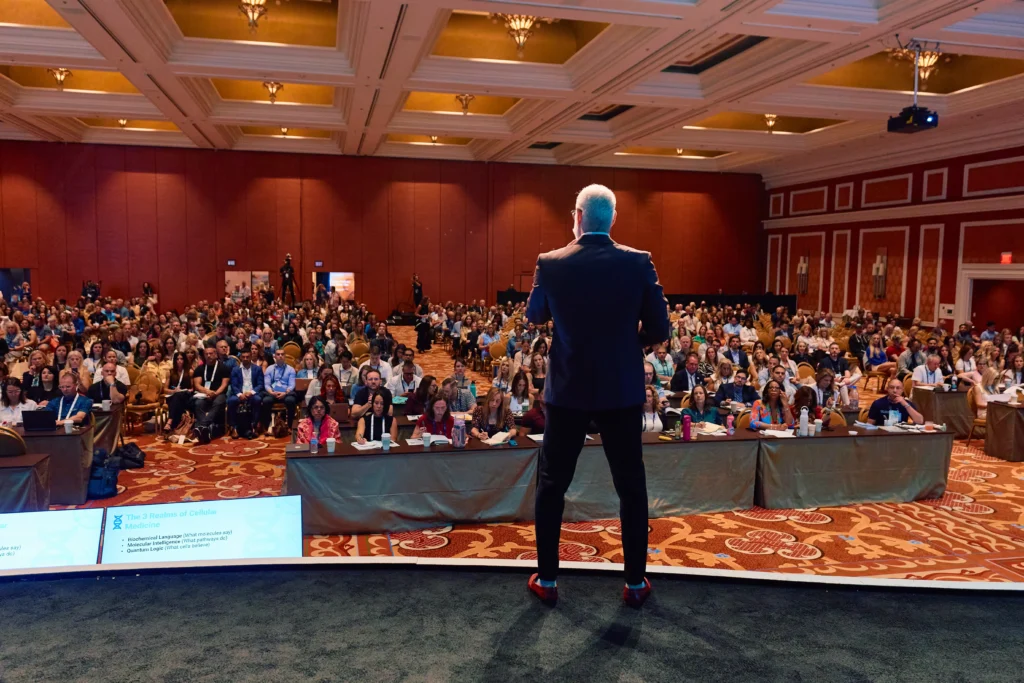
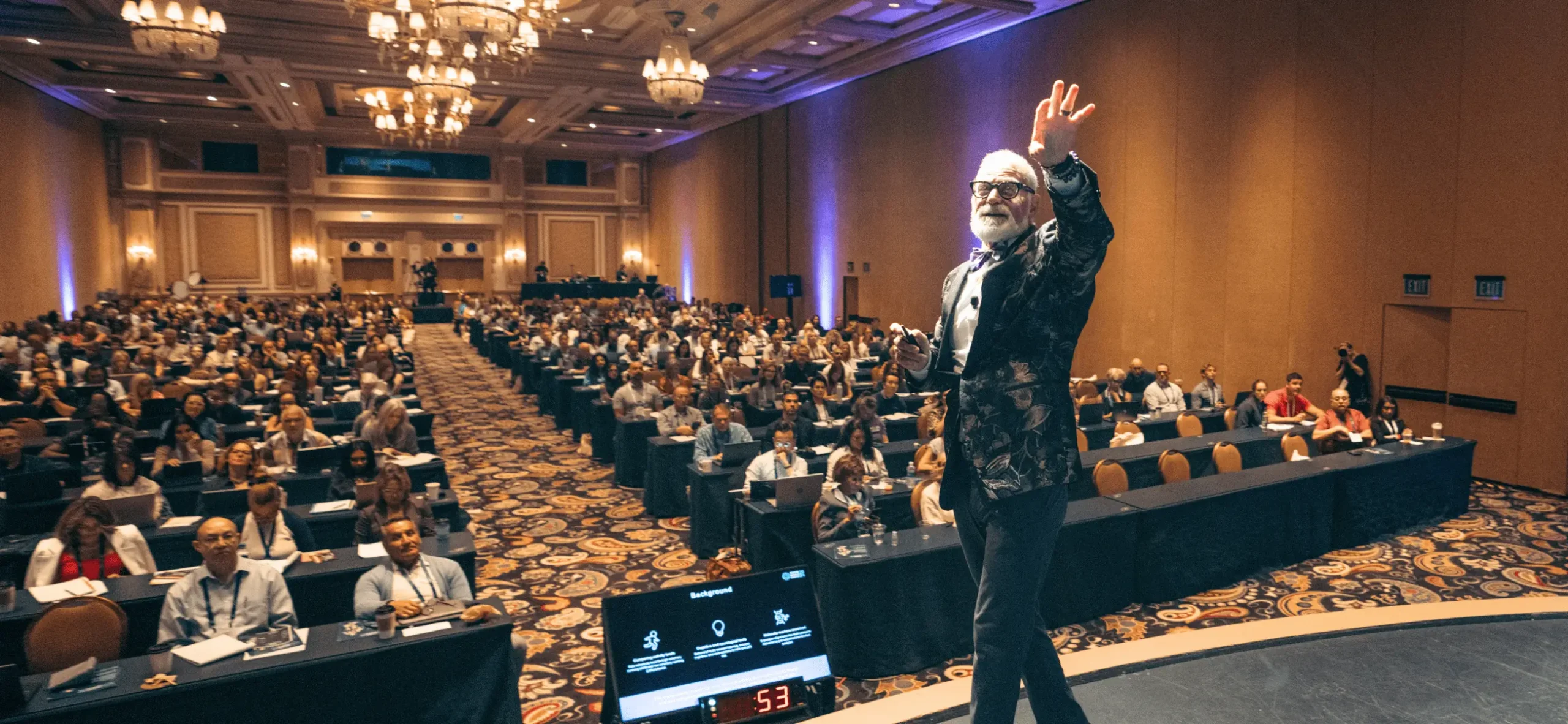
PWC 2024 builds on the growing knowledge community of the SSRP, in which Dr. Seeds brings together a cohort of SSRP faculty to introduce new peptide therapeutic strategies in response to common conditions ranging from infertility, aging skin, cardiovascular disease, and cancer. Faculty include internationally recognized experts, including Juan Bautista, MD, James Earl, Mitch Fleisher, MD, Azza Halim, Will Haas, MD, Bruce Hoffman, MD, Abid Husain, MD, Cynthia Keller, MD, Jamie Milheiro, MD, Mark Newman, MD Siobhan Newman, MD, Carl Paige, MD, Peter Staats, Mark Surrey, MD, MD, Paul Thompson, MD, Kris Wusterhausen, DO, and Elizabeth Yurth, MD. Together, they offer detailed cases that enable you to understand how to effectively and precisely apply peptide therapy through a cellular medicine lens. As a whole, the 27 concise lessons included in this introductory course demonstrates the principles and best practices in peptide therapy, including practical measurement and interpretation topics, such as cardiac CT plaque phenotyping and staging, hormone testing options (serum, saliva, and urine metabolites), and breath analysis for metabolic flexibility—to better connect physiology to clinical decisions and follow-up. Specific lessons also compare common cardiometabolic therapies (such as metformin, SGLT2 inhibitors, and incretin-based medications) and discuss adjacent modalities, including hyperbaric oxygen therapy (HBOT), and neuromodulation, emphasizing intended use, limitations, and safety considerations rather than standardized protocols. Across talks and case narratives, the course reinforces a “cellular mechanism → measurement → reassessment” approach that can support clearer documentation, risk stratification, and individualized care planning. In practice, this framework aims to help clinicians track patient-relevant endpoints over time (for example, imaging findings, symptoms, function, and metabolic markers) and adjust plans based on response. The course is designed for both clinicians and advanced trainees in integrative, functional, integrative, or regenerative-oriented care, as well as allied health professionals and researchers who want a structured way to interpret complex conditions and patient profiles using a cellular medicine approach.
What's Included
The course is organized as a series of recorded stage talks and a panel discussion that move from core physiology to clinical interpretation and follow-up. Across topics, the emphasis is on linking mechanisms to measurement so learners can apply a consistent reasoning framework in practice.
- Over 20 hours of video content
- 4 modules
- 27 lessons
- Downloadable learning guides
William Seeds
MD
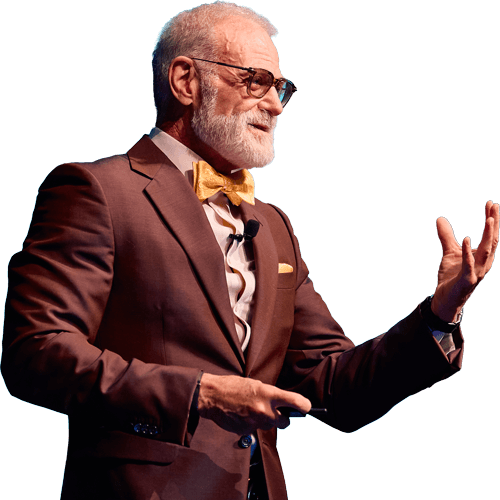
For over 40 years, Dr. William A. Seeds has dedicated his career to studying cellular and molecular pathways within the human body. As Founder of both the SSRP Institute and Redox Medical Group, he leads the field in Cellular Medicine and Epigenetics by bringing cutting-edge research to the forefront of patient care, optimizing cellular efficiency, and addressing the root causes of diseases.
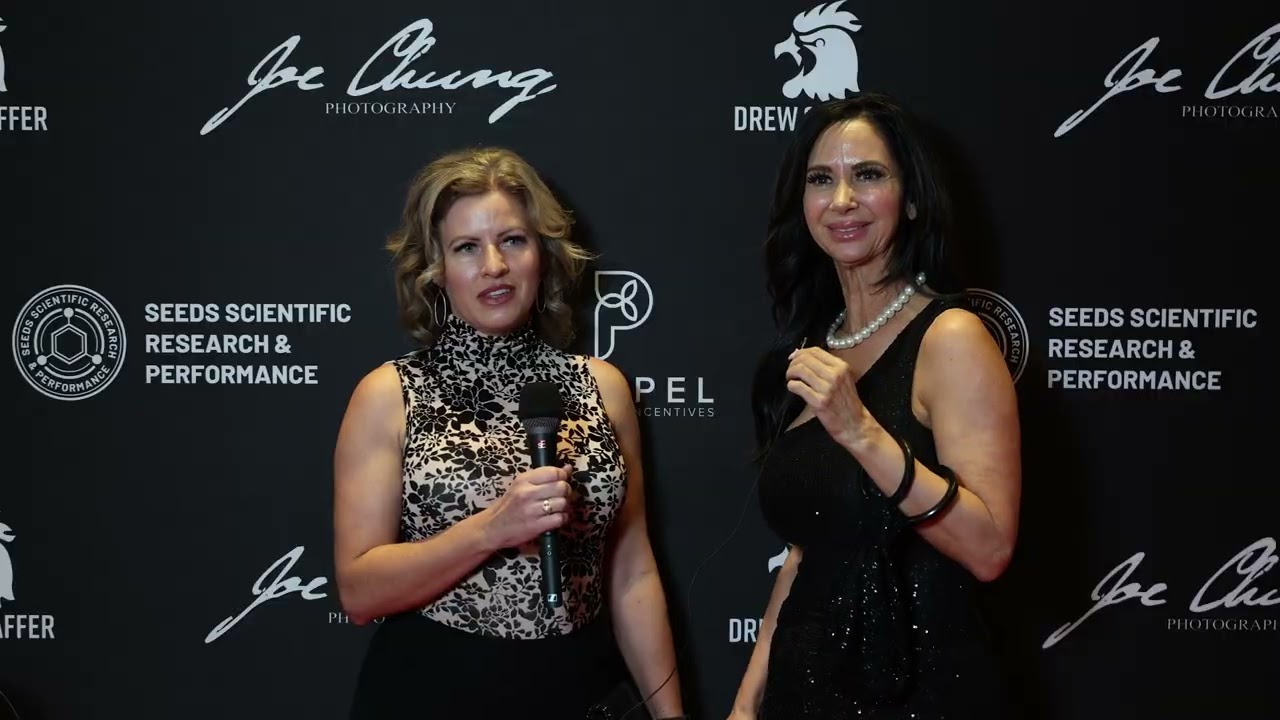
Highlights from Peptide World Congress 2024
Course Curriculum
| Status | Lesson Title | Speaker | Duration |
|---|---|---|---|
| William Seeds, MD – The Decline of Physical Activity and Its Epigenetic Impact on Future Generations |
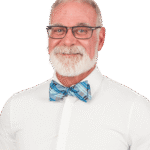 William Seeds
|
1 hr 7 min | |
| Greg Jones, NMD – Sleep Restored: Cellular Medicine Strategies for Deep Sleep and Circadian Rhythm |
Greg Jones
|
30 min | |
| Scott Sherr, MD – Your Brain on Oxygen: Hyperbaric Physiology, Indications, Protocols, and a Clinical Framework |
Scott Sherr
|
30 min | |
| James Earls, MD – The Missing Piece We Needed: AI’s Role in Heart Attack Prevention |
James Earl
|
27 min | |
| Abid Husain, MD, FSSRP – Move Over Metformin! |
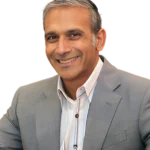 Abid Husain
|
49 min | |
| Siobhan Newman, MD, FSSRP – Humanin: A Mitochondrial Peptide for Neurodegenerative Repair |
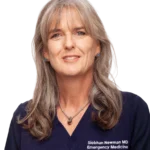 Siobhan Newman
|
33 min | |
| Kris Wusterhausen, DO – Cagrilintide: Is it a Worthy Addition to Your Weight Loss Program? |
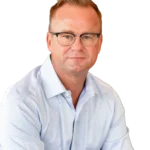 Kris Wusterhausen
|
41 min | |
| Azza Halim, MD – Regenerative Aesthetics and Epigenetics: Stem Cells vs. Exosomes vs. Biostimulators |
Azza Halim
|
38 min | |
| Mark Newman, MS – Mastering Hormone Monitoring: Integrating Evidence-Backed Approaches for Effective Care, HRT Considerations Included |
Mark Newman
|
32 min | |
| Stephanie Venn-Watson, DVM, MPH – The Cell Stability Hypothesis: How C15:0 Stops Accelerated Aging |
Stephanie Venn-Watson
|
30 min |
| Status | Lesson Title | Speaker | Duration |
|---|---|---|---|
| Jamie Gabel, PA-C, MS, FSSRP – Cellular Medicine in Review: A Case Studies Approach |
 Jamie Gabel
|
26 min | |
| Juan Bautista, MD, FSSRP – Optimizing Health through VO2 Max and Muscle Dynamics: Insights and Applications |
 Juan Bautista
|
30 min | |
| William Seeds, MD – Peak Performance: A Revolutionary Pre-Workout Ritual with Hydration, Ketones, Bicarbonate, and Trehalose |
William Seeds
|
42 min | |
| Justin Kirkland, MS – Sarcopenia Treatments: New Drugs, Supplements, and Peptides for Treating Muscle Wasting |
Justin Kirkland
|
21 min | |
| Jaspreet Dhau, PhD – Air Filtration, Purity, and Their Impacts on Your Patient Protocols Effectiveness |
Jaspreet Dhau
|
35 min |
| Status | Lesson Title | Speaker | Duration |
|---|---|---|---|
| Cynthia Keller, MD, FSSRP – What Only a Pediatrician Can Teach You About Caring for Your Adult Patients: the Post-Covid Edition |
 Cynthia Keller
|
48 min | |
| Peter Staats, MD – Vagus Nerve Stimulation: The Next Big Thing |
Peter Staats
|
36 min | |
| Mark Surrey, MD – A (Re)Productive Conversation around the Latest Advances in Fertility Treatments |
Mark Surrey
|
25 min | |
| William Christian Haas III, MD, MBA – Keeping IV Therapy Impactful for Patient and Practice |
 William Christian Haas III
|
33 min | |
| Carl Paige, MD, FSSRP – The Ins and Outs of Healthy Skin – the Microbiome Connection |
 Carl Paige
|
48 min | |
| Elizabeth Yurth, MD, FSSRP – How to Teach an Old Drug New Tricks: Novel Treatment Ideas! |
 Elizabeth Yurth
|
42 min | |
| Mitch Fleisher, MD, FSSRP – Peptide Therapy and Integrative Medicine for Cancer Support |
Mitch Fleisher
|
49 min | |
| Lindsey Berkson, MA, DC – Estrogen Vilified, Now Vindicated |
 Devaki Lindsey Berkson
|
32 min | |
| Duncan Ross, PhD – Exosomes: Sources and Regulatory Takeaways from Products Marketed Around the Globe |
Duncan Ross
|
34 min | |
| William Seeds, MD – The Critical Role of Molecular Pathways in Understanding Omics Data |
William Seeds
|
58 min |
| Status | Lesson Title | Speaker | Duration |
|---|---|---|---|
| Bruce Hoffman, MD – Mitochondrial Disease, Cell Danger Response, and Cell Membrane Medicine in the Context of Chronic Complex Illness |
Bruce Hoffman
|
36 min | |
| Sal Di Stefano – Exercise and the Importance of Maintaining Muscle |
 Sal Di Stefano
|
48 min |
Questions? Our Provider Care Team is here to help.
We'd love to help you determine the best next steps on your Cellular Medicine journey.