Peptide World Congress 2023
Cellular medicine frameworks for more confident monitoring of peptide-adjacent care over time
For clinicians wanting clearer mechanistic reasoning and follow-up
Dr. Seeds leads the third annual Peptide World Congress in an address that lays the foundation of so much related to cellular medicine: the importance of redox balance. From there, he and other clinicians and researchers offer a wide-ranging array of presentations on topics, including cardiometabolic disease such as obesity, type-2 diabetes, cardiovascular disease, women’s hormonal health, gut health and glycemic stability, ketones, and performance, weight loss, and mental health conditions. Expert faculty include Anne Abrams, MD, Abid Husain, MD, Jamie Milheiro, MD, James Min, MD, Siobhan Newman, MD, Paul Thompson, MD, Cynthia Keller, MD, Carl Paige, MD, and Kris Wusterhausen, DO. This course is comprised of over 20 lessons, allowing expert faculty to present case studies alongside evaluation and treatment approaches using peptide therapy. As clinicians, you’ll gain relevant and practical guidance related to longitudinal monitoring, lab utilization, body composition tools, and strategies to enhance a precision medicine approach to restoring and optimizing patient functioning at the cellular level. Additional sessions explore musculoskeletal pain and joint degeneration and variability in patient response (including genomics and device parameter differences). The overall emphasis is on building a structured way to interpret emerging evidence in cellular medicine and apply it cautiously yet effectively to individual care. As a whole, this comprehensive course offers clinicians and healthcare professionals to deepen their knowledge and increase their confidence in peptide therapy and cellular medicine.
What's Included
Recorded, conference-style sessions combine mechanistic teaching with practical clinical reasoning and follow-up examples. The course emphasizes how to translate concepts into measurable monitoring and reassessment over time.
- Over 15 hours of video content
- 4 modules
- 26 lessons
- Downloadable learning guides
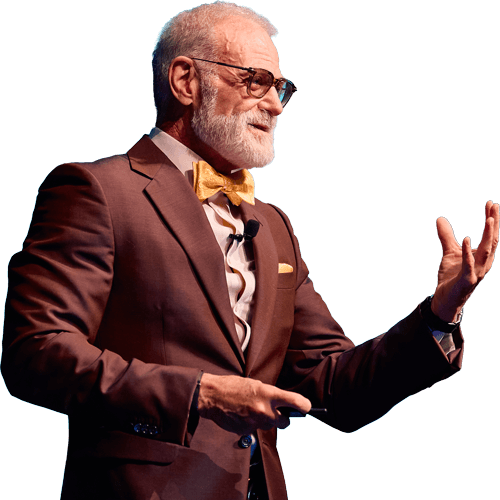
William Seeds
MD
For over 40 years, Dr. William A. Seeds has dedicated his career to studying cellular and molecular pathways within the human body. As Founder of both the SSRP Institute and Redox Medical Group, he leads the field in Cellular Medicine and Epigenetics by bringing cutting-edge research to the forefront of patient care, optimizing cellular efficiency, and addressing the root causes of diseases.
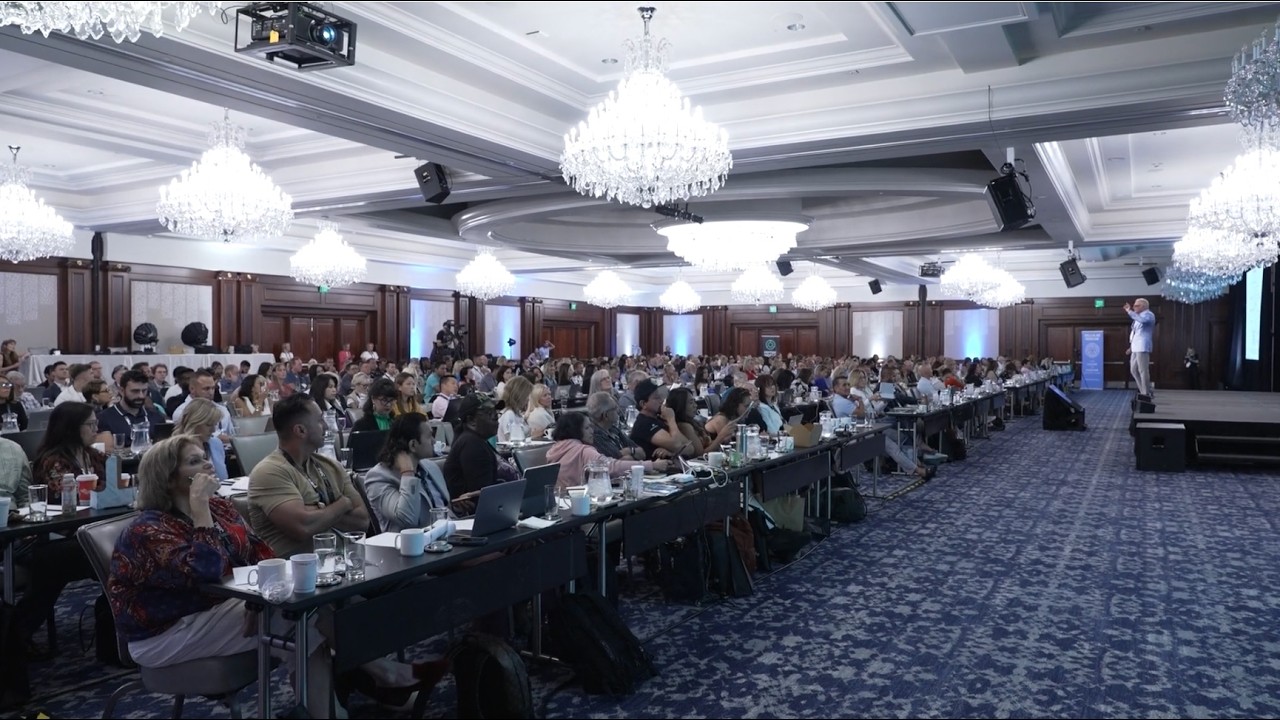
Highlights from Peptide World Congress 2023
Course Curriculum
| Status | Lesson Title | Speaker | Duration |
|---|---|---|---|
| Stephen McCain – Welcome to the Peptide World Congress: Transformed By Peptides |
 Stephen McCain
|
22 min | |
| William Seeds, MD – Chat-GPT? |
 William Seeds
|
14 min | |
| William Seeds, MD – KEYNOTE: How to Achieve Cellular Redox: The Key to Living Longer and Living BETTER |
William Seeds
|
36 min | |
| Kris Wusterhausen, DO – From Bald to Bold: Cutting-Edge Medical Advances in Hair Regrowth |
 Kris Wusterhausen
|
45 min | |
| Anne Abrahamson, MD, FSSRP – Presented By: William Seeds, MD – Facial Revitalization with Peptides |
William Seeds
Anne Abrahamson
|
33 min | |
| Stephanie Venn-Watson, DVM – A Vital Lifespan Booster: The Essential Role of C15:0 |
Stephanie Venn-Watson
|
30 min | |
| Masha Stromme, PhD – Introducing 4HerHealth: Precision Strategy for Women’s Health |
Masha Stromme
|
29 min | |
| Cynthia Keller, MD, FSSRP – The Newest Peptides For Gut Health |
 Cynthia Keller
|
47 min | |
| Siobhan Newman, MD, FSSRP – Healthy Aging: The Indispensable Role of Neurological and Muscular Health |
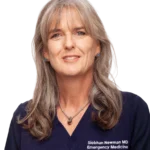 Siobhan Newman
|
39 min |
| Status | Lesson Title | Speaker | Duration |
|---|---|---|---|
| Donna White – The Ultimate Therapy To Pair with Peptides |
Donna White
|
52 min | |
| Jaime Milheiro, MD – The Wellness Equilibrium: The New Age of Metabolic Balance and Glycemic Stability |
Jaime Milheiro
|
33 min | |
| William Seeds, MD – Unleashing Potential: The Performance Power of Ketones & Peptides |
William Seeds
|
37 min | |
| Elizabeth Yurth, MD, FSSRP – What You Never Knew About Pentosan |
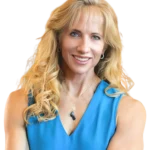 Elizabeth Yurth
|
28 min | |
| Justin Kirkland, MS – A New Hope for Mental Health |
Justin Kirkland
|
28 min | |
| Paul Thompson, MD – The Oral Peptides With Massive Results |
Paul Thompson
|
46 min |
| Status | Lesson Title | Speaker | Duration |
|---|---|---|---|
| William Seeds, MD – Unmasking the Deceptions of GLP 1 RAs |
William Seeds
|
47 min | |
| Elizabeth Yurth, MD, FSSRP – NAD+ Exposed: Fact, Fiction, and the Gray Areas in Between |
Elizabeth Yurth
|
39 min | |
| Terri Paige, FSSRP and Carl Paige, MD, FSSRP – A Dynamic Duo’s Roadmap to Effective Weight Loss |
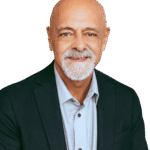 Carl Paige
Terri Paige
|
43 min | |
| Masha Stromme, PhD – The Era of Genomics for Neurodegenerative Diseases |
Masha Stromme
|
21 min | |
| James Min, MD – Heart Attacks Decoded: Risk Factors, Timelines, and Prevention Strategies (Pt. 1) |
James Min
|
37 min | |
| Abid Husain, MD, FSSRP – Heart Attacks Decoded: Risk Factors, Timelines, and Prevention Strategies (Pt. 2) |
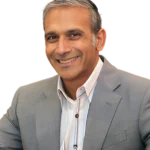 Abid Husain
|
36 min | |
| William Seeds, MD – Keynote: Cellular Pathways and Signals – The Driving Forces of Future Medicine |
William Seeds
|
34 min |
| Status | Lesson Title | Speaker | Duration |
|---|---|---|---|
| William Seeds, MD – Come Healthy, Leave Healthier |
William Seeds
|
42 min | |
| Greg Jones, NMD – The Hallmarks of a Successful Longevity Program |
Greg Jones
|
44 min | |
| Azza Halim, MD – The Exciting NEW Developments in Exosomes |
Azza Halim
|
30 min | |
| Mitch Fleisher, MD, FSSRP – The Power Trio for Tissue Regeneration |
Mitch Fleisher
|
34 min |
Questions? Our Provider Care Team is here to help.
We'd love to help you determine the best next steps on your Cellular Medicine journey.