SSRP Faculty
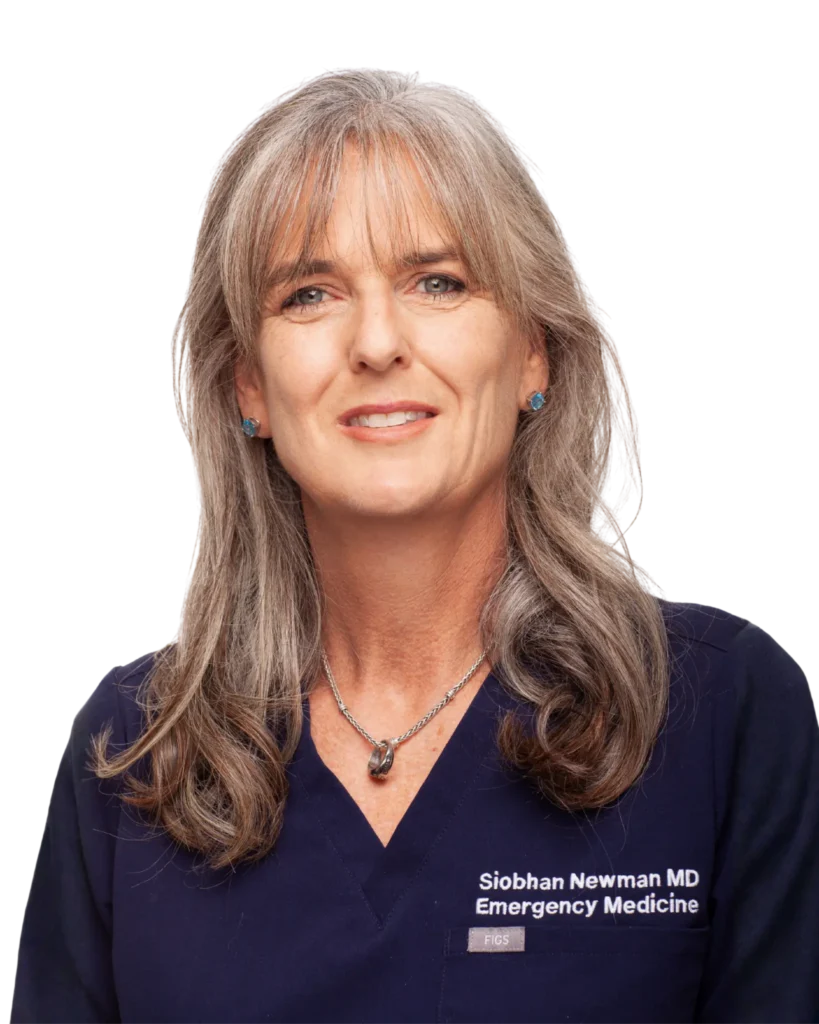
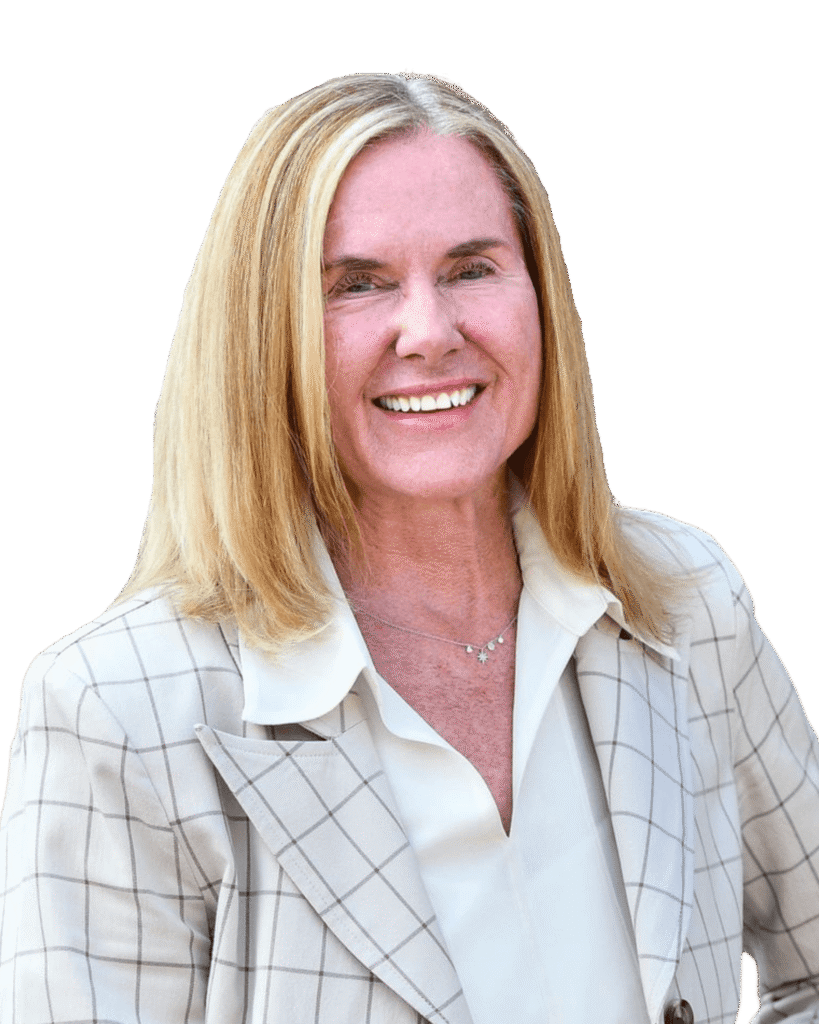
Valerie Donaldson, MD
Dr. Valerie Donaldson is the Founder and Medical Director of Regenerative Medicine Center (RMC).
She graduated from Rush Medical College and is Board Certified in Internal Medicine, Emergency Medicine; certified in Anti-Aging Medicine, Functional Medicine, Stem Cell Therapy, Cellular Medicine, and Prodrome Therapy.
As an attending physician at UPMC Presbyterian Hospital Emergency Department, she authored research papers on effects of Incubation Techniques on the Traumatic Cervical Spine, and on the use of lab results in the Emergency Room.
After leaving the ER in pursuit of her passion in Anti-Aging, Functional Medicine, Dr. Donaldson was the first attending physician at the first complementary center in Pittsburgh, UPMC Center for Complementary Medicine.
She left UPMC Complementary Medicine Center to open a solo practice becoming the first physician in Pittsburgh to be certified in Anti-Aging Medicine.
In 2000, Dr. Donaldson became the first doctor in the world to introduce total body vibroacoustic, color and light harmonic resonant therapy called Light Portal™ into her practice allowing her patients a meditative-like experience allowing balance in the body.
In her words, “I offer hope to people who have no hope. I do this by passionately searching for the cause to appropriately treat the underlying dysfunction. I do not believe patients are drug deficient, but are out of balance in their biochemical, nutritional, hormonal, emotional, cellular and/or spiritual makeup. One must find where the individual is out of balance and correct it to sustain wellness.”