Peptide Therapy Foundations: Immune Regulation
Course Details
This course examines the peptides that shape immune function: the thymic peptides that help regulate the maturation and balance of the immune response, and the host-defense peptides that act at the front line of innate immunity. It is written for clinicians who want to understand how these agents influence immune signaling and where each one fits in practice.
The lessons center on the thymic family. Thymalin, Thymosin Alpha-1, Thymosin Beta-4, and Thymulin each act on different aspects of immune regulation, from T-cell maturation and modulation to tissue repair and anti-inflammatory signaling. LL-37, a cathelicidin host-defense peptide, rounds out the picture with its role in innate antimicrobial defense and immune crosstalk.
Each lesson follows the same clinical lens: what the agent is, how it works, what the evidence shows, and what a practitioner weighs before applying it. Together they map the immune-regulating peptides as a group so you can reason about any single agent in the context of the others.
SSRP FACULTY
William Seeds, MD
William Seeds, MD
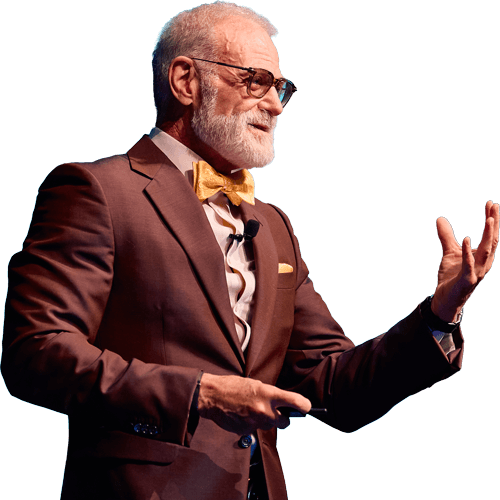
William Seeds, MD
Before establishing the SSRP Institute, Dr. Seeds served as a board-certified orthopedic surgeon and sports medicine specialist for nearly three decades, including Chief of Surgery, Orthopedic Residency Site Director, and Director of The Ohio Bone & Joint Institute for University Hospitals.
His significant contributions to sports medicine have been recognized at the NFL Hall of Fame. He has consulted for athletes across all major sports leagues, including the NFL, NHL, MLB, NBA, and even the performers on “Dancing with the Stars.”
Through his research at the SSRP Institute, Dr. Seeds continues to explore the cellular pathways and mechanisms that positively impact disease and dysfunction in the body as well as optimize physical performance.
Thymalin
In-ProgressLesson Resources
Overview
Thymalin is a polypeptide complex isolated from calf thymus through acid extraction, first developed in the USSR in the 1970s. It is a multi-peptide mixture containing short bioactive segments, including thymogen, vilon, and crystogen. Its primary actions are immune modulation, T cell differentiation, hematopoietic stem cell activation, and geroprotection. Thymalin is approved in Russia as an immune modulator and carries no FDA approval in the United States.
This lesson sits within the immune regulation track and distinguishes Thymalin, a broad blanket immunomodulator, from thymosin alpha-1, a more directed synthetic peptide that the two are frequently mistaken for.
Mechanism and component peptides
The composite nature of Thymalin reflects its active fragments. The EW dipeptide targets the ACE2 and CYSLTR1 genes and is described as reducing angiotensin-induced cytokine storm, drawing a parallel to how ARBs shift angiotensin II toward angiotensin 1-7. The KE dipeptide targets the CHUK gene of the NFKB pathway, stimulating cellular immunity, inducing CD4 and CD5 thymocyte expression, and influencing telomere length, IGF-1, FOXO-1, and TERT. The EDP tripeptide stimulates IL-1, IL-6, and TNF-alpha from macrophages and activates thymic epithelial cells.
Across these fragments, signaling runs through NFKB, ERK and mTOR, P70S6K, and STAT1 phosphorylation that is receptor-independent. The peptides can bind histones and influence epigenetic state, increasing euchromatin and decreasing heterochromatin in elderly lymphocytes. In the T cell compartment, Thymalin can activate hematopoietic stem cell differentiation into CD28 T lymphocytes and normalize CD3, CD4, and CD8 ratios.
Clinical evidence and application
The strongest evidence comes from six to eight year randomized controlled studies in elderly patients aged 60 to 88, where Thymalin was associated with a two to four times mortality reduction. Combined with epitalon, the effect increased further. In severe COVID-19, small observational studies reported halved hospital mortality alongside faster recovery of lymphocyte counts. The speaker notes no significant adverse effects observed across 25 years of clinical use.
Standard dosing described is 10 mg daily for 10 days, totaling a 100 mg course, given intramuscularly in the original protocols and more commonly subcutaneously in Western practice. Courses may be repeated several times yearly. Monitoring centers on CBC, T cell subsets, inflammatory markers including CRP and cytokine panels, immunoglobulins, and coagulation studies when indicated, with reassessment around two weeks and three to four months.
Key clinical points
- Thymalin is a calf-thymus polypeptide complex (EW, KE, and EDP fragments) that supports broad innate and adaptive immune modulation, distinct from the more targeted thymosin alpha-1.
- Reported evidence centers on two to four times mortality reduction in elderly cohorts over six to eight years and halved hospital mortality in small severe COVID-19 studies.
- Described dosing is 10 mg daily for 10 days (100 mg course), subcutaneous or intramuscular, repeatable a few times per year and combinable with epitalon.
- Suggested monitoring includes CBC, T cell subsets, CRP and cytokine panels, immunoglobulins, and coagulation studies when clinically indicated.
- Most data originate from Russia with limited Western randomized trials; cautions include active autoimmune disease, transplant, uncontrolled malignancy, and pregnancy or lactation.

Questions? Our Provider Care Team is here to help.
We'd love to help you determine the best next steps on your Cellular Medicine journey.
Continue your learning journey
VIEW ALLAging-Associated Decline of Phosphatidylcholine Synthesis is a Malleable Trigger of Natural Mitochondrial Aging
Dr. Seeds explores how age-related decline in phosphatidylcholine synthesis may contribute to mitochondrial aging and why that matters in Cellular Medicine. This discussion connects membrane integrity, mitochondrial function, methylation, and metabolic resilience, while highlighting how this pathway may be more modifiable than we once thought.
1. Managing shingles outbreaks in GLP-1 patient through peptides (0:40)
2. Peptide strategies in suspected ALS (15:56)
3. Improving durability in dementia treatment (25:08)
In this bonus episode from the MM15 Virtual Summit, Dr. Seeds addresses an important question around the use of GLP-1s for metabolic balancing in patients who do not need to lose weight. He shares his perspective on what may be considered microdosing, along with the clinical thought process he uses when determining appropriate dosing in these more nuanced cases.
Additional questions from the MM15 Virtual Summit can be found in our accompanying article here: [insert article link]
Access the full MM15 Course here: Mastermind 15 on Aesthetics
The Limits of Alternative Peptide Delivery
Dr. Seeds reviews oral, sublingual, and transdermal peptide delivery, and explains why subcutaneous injection remains the gold standard for most peptides. (Question Link)
A Deeper Look at the RAAS System
Dr. Seeds uses this Rabbit Holes episode to build on Journal Club Episode 87, revisiting the renin-angiotensin-aldosterone system and its broader role in cellular signaling. The discussion focuses on receptor balance, local tissue effects, and the mechanisms linking RAS disruption to inflammation, fibrosis, and mitochondrial stress.(Article Link)
The Renin–Angiotensin–Aldosterone System (RAAS): Beyond Cardiovascular Regulation
Dr. Seeds unpacks how RAS receptor balance drives inflammation, fibrosis, mitochondrial dysfunction, and tissue remodeling, far beyond its classical role in blood pressure regulation. (Article Link)
1. SSRI tapering resistance, anxiety during weaning (0:40)
2. Progressive multifocal dystonia (13:27)
3. Complex type 2 diabetes case in a lean, athletic patient (28:32)