
Redox and brain energy frameworks for clearer evaluation of cognitive decline and vascular risk
For clinicians seeking stronger cognitive case reasoning
This course teaches a mechanism-first framework for brain function and cognitive decline using cellular energy and oxidative stress regulation (“redox balance”) as the organizing lens. You will examine how brain-derived neurotrophic factor (BDNF) signaling can shift based on inflammation, metabolism, and protein processing, and how this connects to synaptic plasticity and neurodegenerative risk. The lessons also address glycation (“sugar damage”), membrane lipid biology, and vascular–brain interface concepts such as endothelial function, blood–brain barrier integrity, and glymphatic clearance. Throughout, the course supports clinicians in translating mechanistic science into clearer clinical reasoning, including how to think about selected biomarkers, imaging, and genetic risk scoring within a larger differential. This approach aims to inform individualized evaluation and longitudinal follow-up in complex neurocognitive and brain-performance-adjacent cases by helping clinicians identify plausible contributors to symptoms and monitor defined endpoints over time. It is designed for clinicians and advanced health professionals, as well as trainees and researchers, who want a structured, evidence-aware way to interpret emerging brain-health science without relying on one-size-fits-all explanations.
What's Included
The course is delivered as recorded, long-form lessons that prioritize mechanism-first teaching and clinical interpretation. Concepts are reinforced through intermittent Q&A and case-based discussion to help learners connect pathways to evaluation and monitoring considerations.
- Over 10 hours of video content
- 2 modules
- 6 video lessons
- Downloadable learning guides
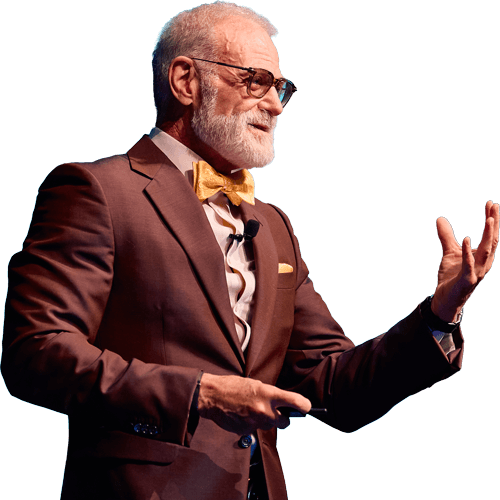
William Seeds, MD
Before establishing the SSRP Institute, Dr. Seeds served as a board-certified orthopedic surgeon and sports medicine specialist for nearly three decades, including Chief of Surgery, Orthopedic Residency Site Director, and Director of The Ohio Bone & Joint Institute for University Hospitals.
His significant contributions to sports medicine have been recognized at the NFL Hall of Fame. He has consulted for athletes across all major sports leagues, including the NFL, NHL, MLB, NBA, and even the performers on “Dancing with the Stars.”
Through his research at the SSRP Institute, Dr. Seeds continues to explore the cellular pathways and mechanisms that positively impact disease and dysfunction in the body as well as optimize physical performance.

Questions? Our Provider Care Team is here to help.
We'd love to help you determine the best next steps on your Cellular Medicine journey.