Mastermind 9: Cellular Medicine
Tryptophan pathway routing for clearer gut–immune balance assessment and patient-specific monitoring decisions
For clinicians building stronger gut immune pathway reasoning
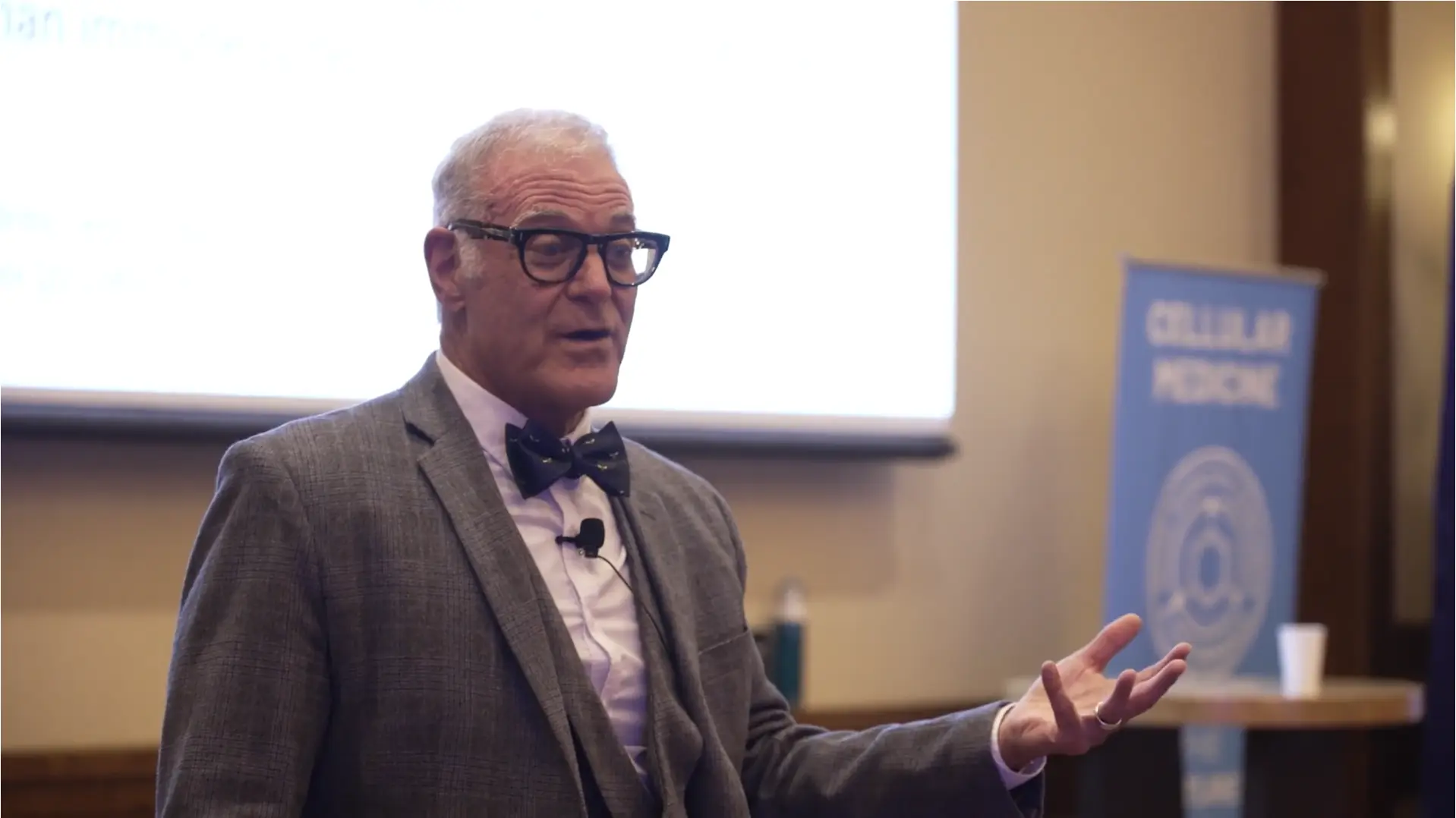
This mastermind course uses the microbiome as a lens through which to deepen your understanding of the metabolic pathways involved in cellular health, and disease. Dr. Seeds offers a careful and in depth exploration of many aspects of microbiome activity, including how tryptophan is “routed” into different biological pathways, and why that matters for gut barrier function, immune balance, and neuroimmune signaling. You will compare the serotonin and melatonin pathway with kynurenine-related metabolites and microbiome-derived indole signals, with emphasis on how inflammation, stress, and dysbiosis can shift this allocation. The course also connects these concepts to circadian timing and introduces practical monitoring considerations, including how clinicians may incorporate a kynurenine:tryptophan ratio while accounting for current limitations in standardization.The goal is to help clinicians organize complex presentations—such as mixed gut, immune, and mood/cognition symptoms—without over-interpreting single biomarkers. This cellular medicine approach supports more structured evaluation, clearer communication with patients, and follow-up plans that can be adjusted based on symptoms, function, and selected lab trends over time. The course is designed for clinicians, healthcare providers, and advanced learners who want a mechanism-first approach to complex gut–immune–neuroendocrine cases.
What's Included
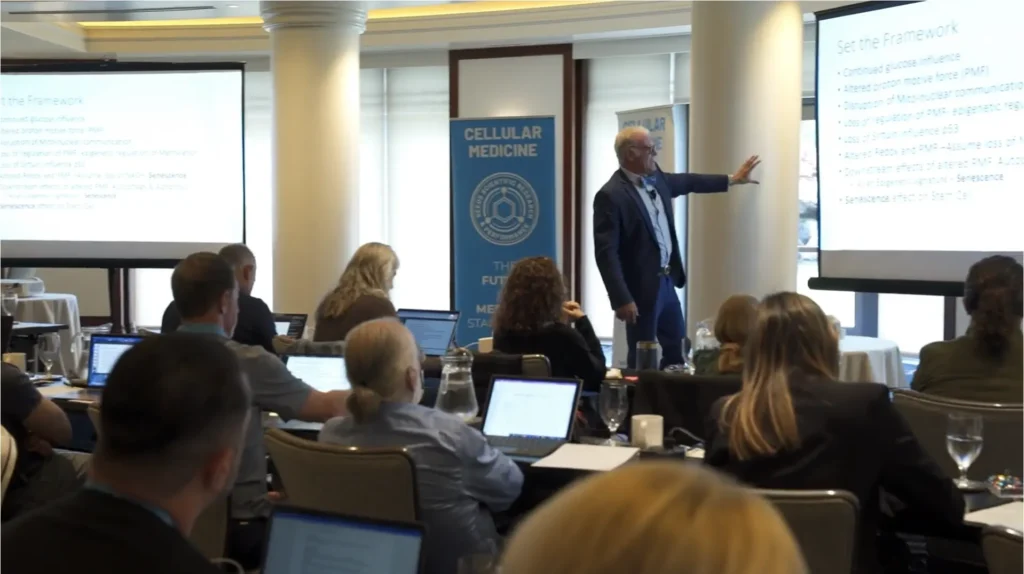
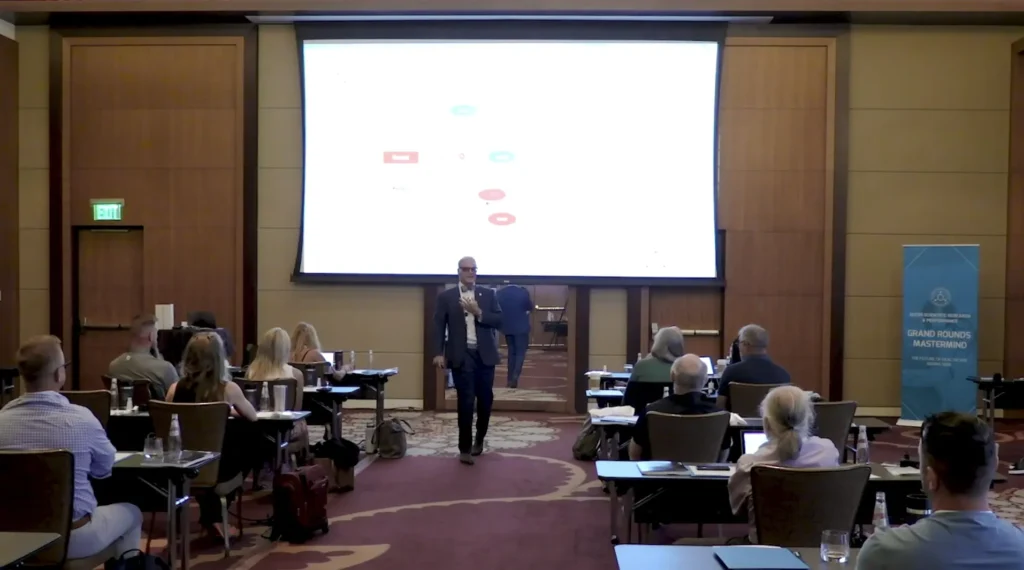
The course is delivered as two recorded days of mechanism-first teaching that builds from foundational tryptophan pathway concepts into integrated clinical reasoning. Sessions include applied discussion and Q&A to help translate the frameworks into day-to-day interpretation and monitoring decisions.
- Over 10 hours of video content
- 2 modules
- 8 lessons
- Downloadable learning guides
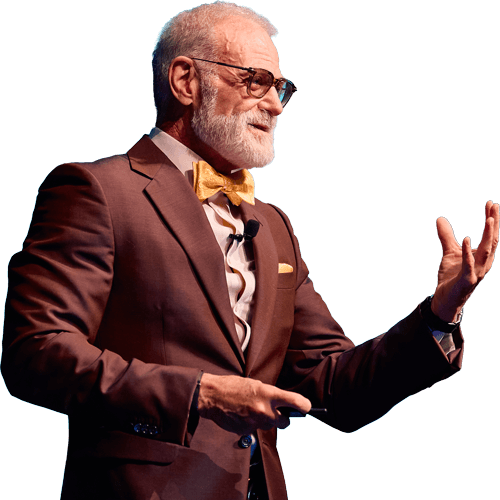
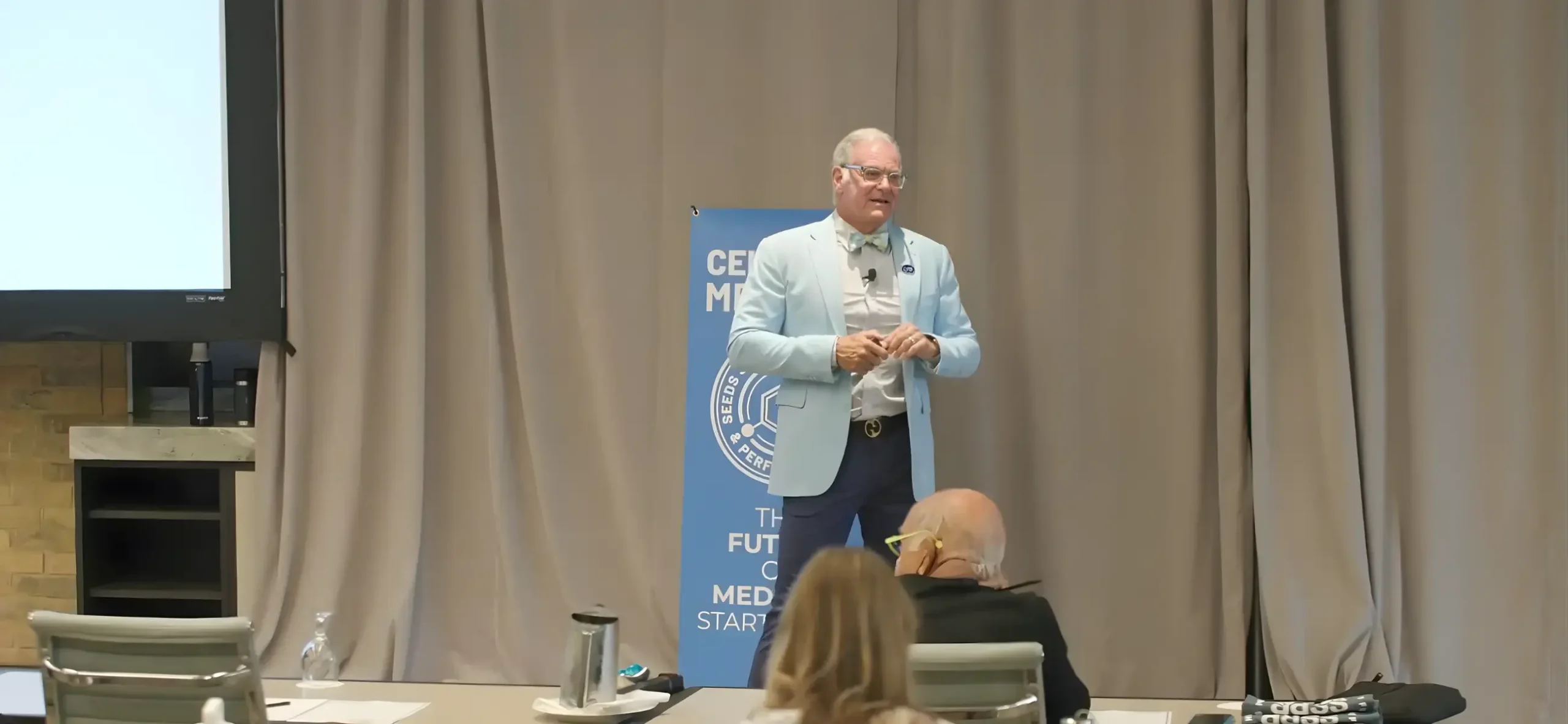
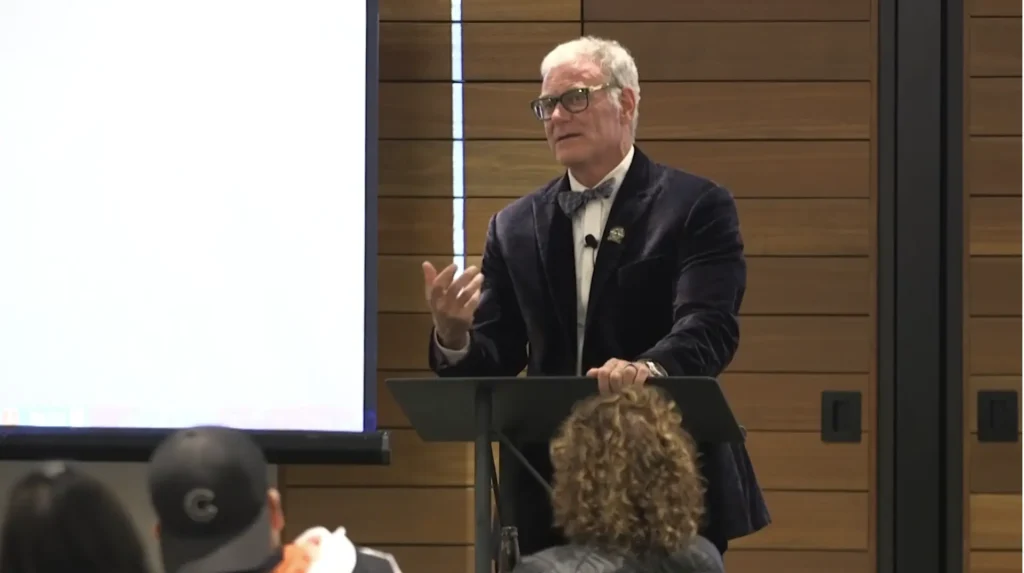
William Seeds
MD
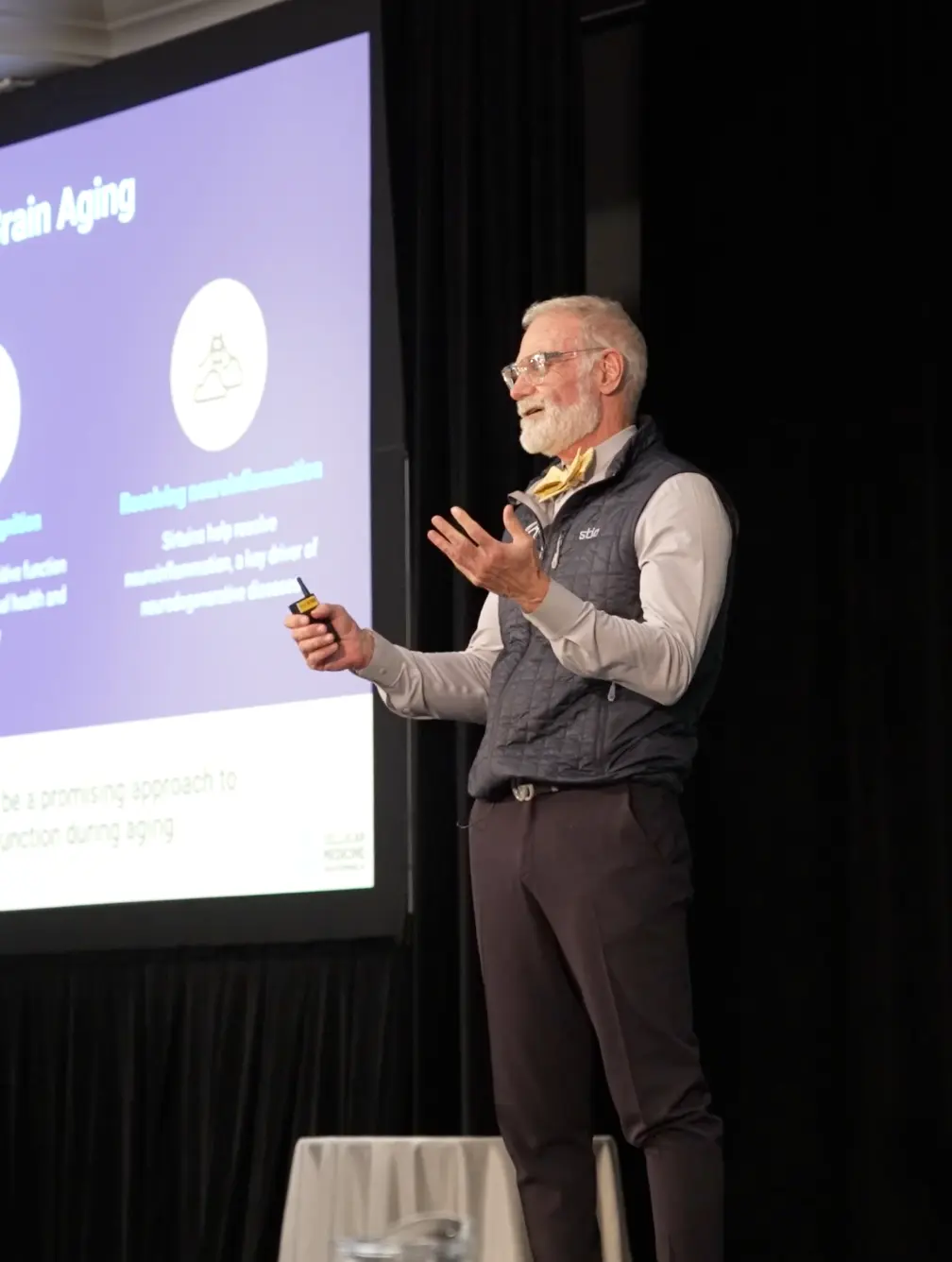
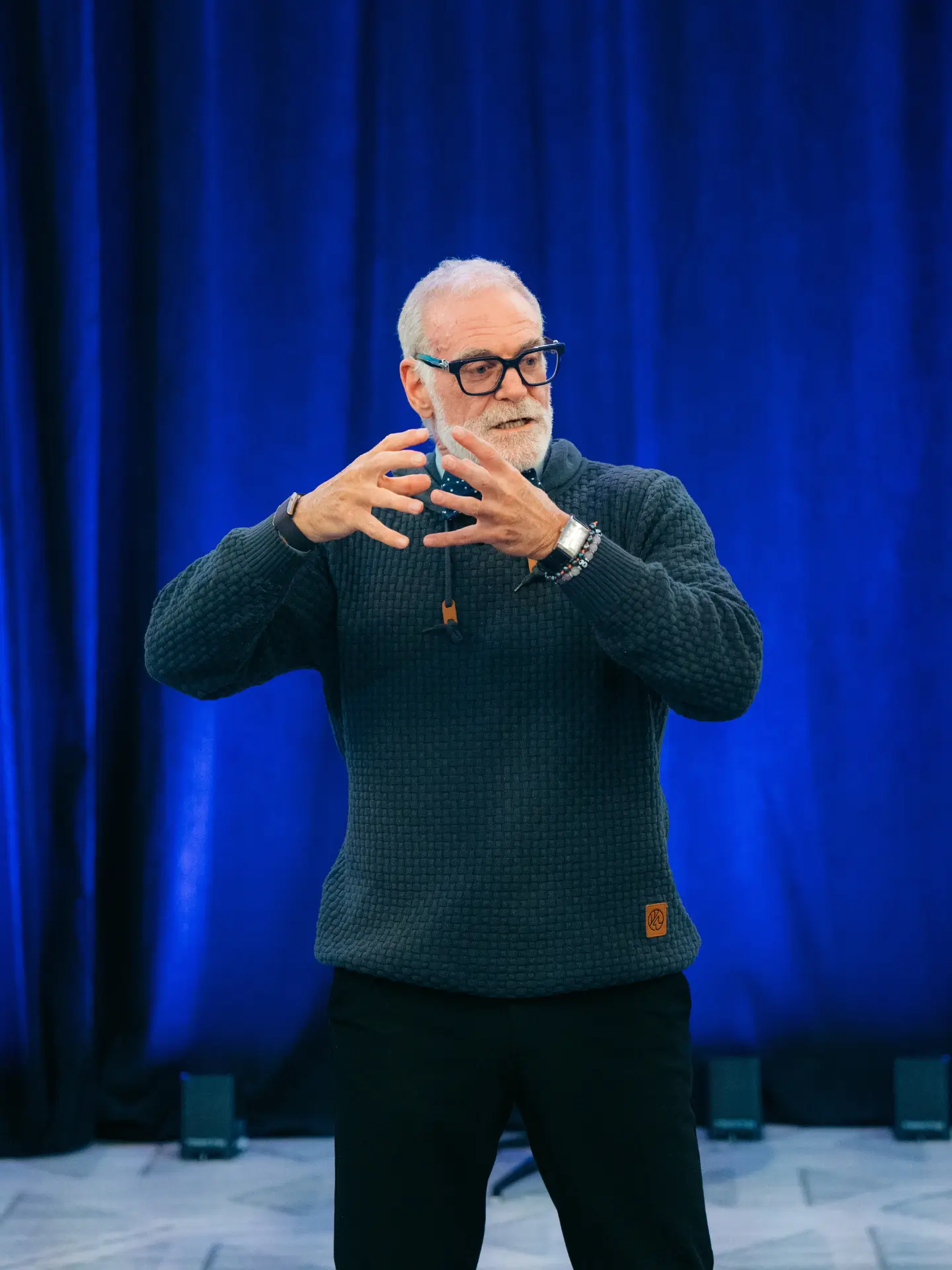
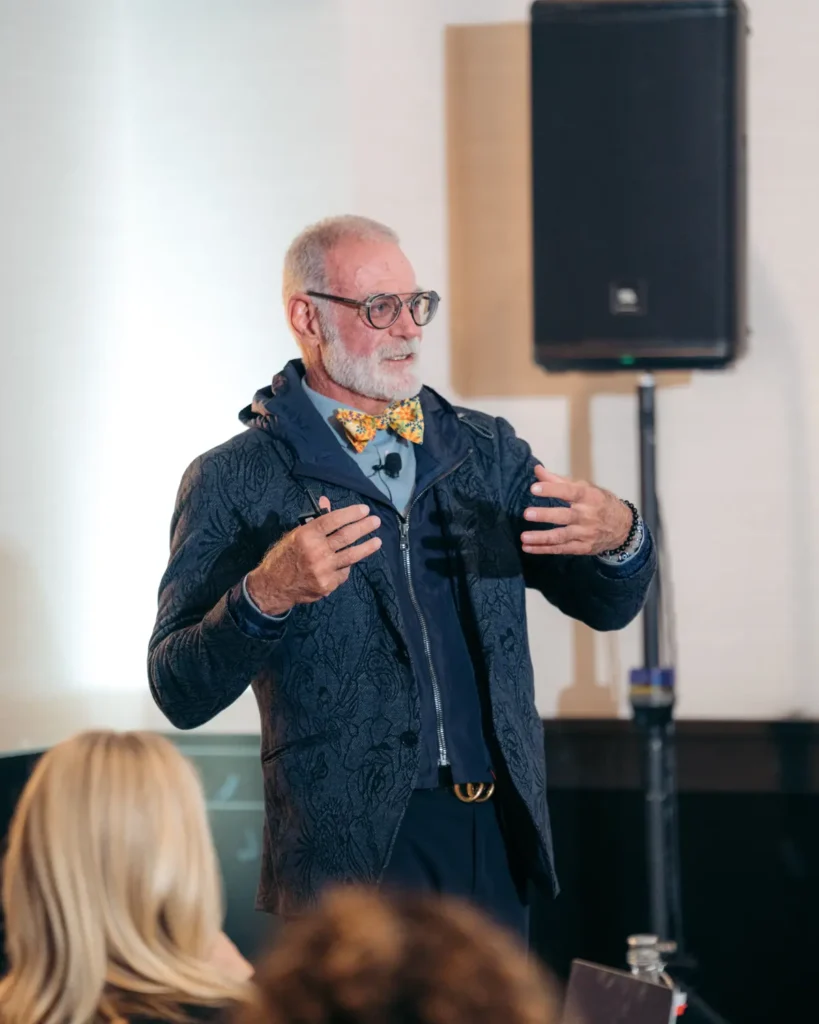
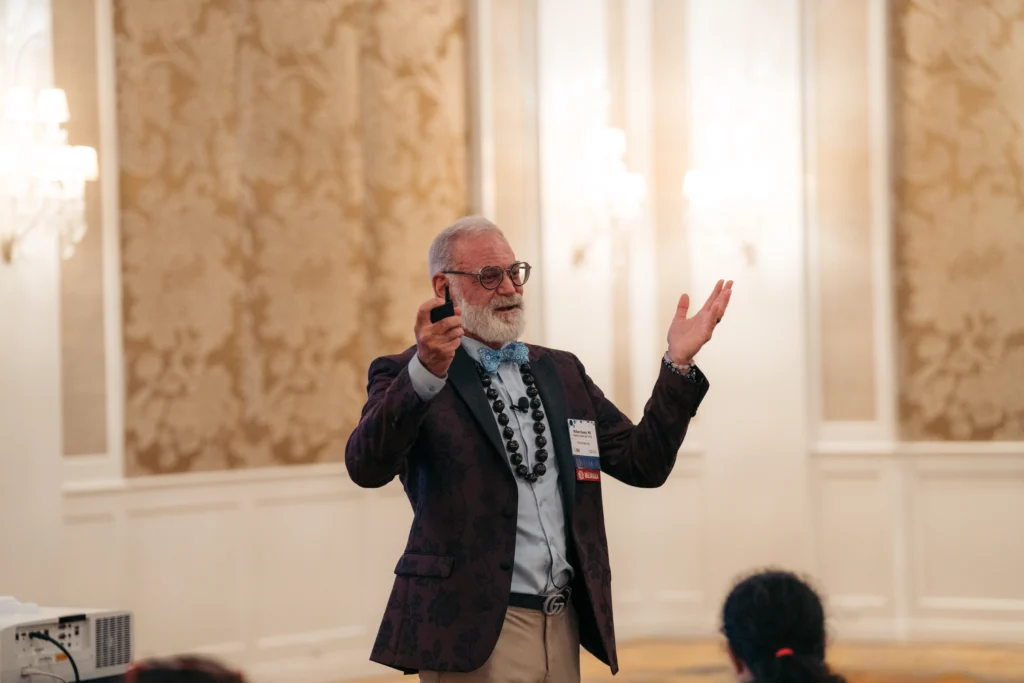
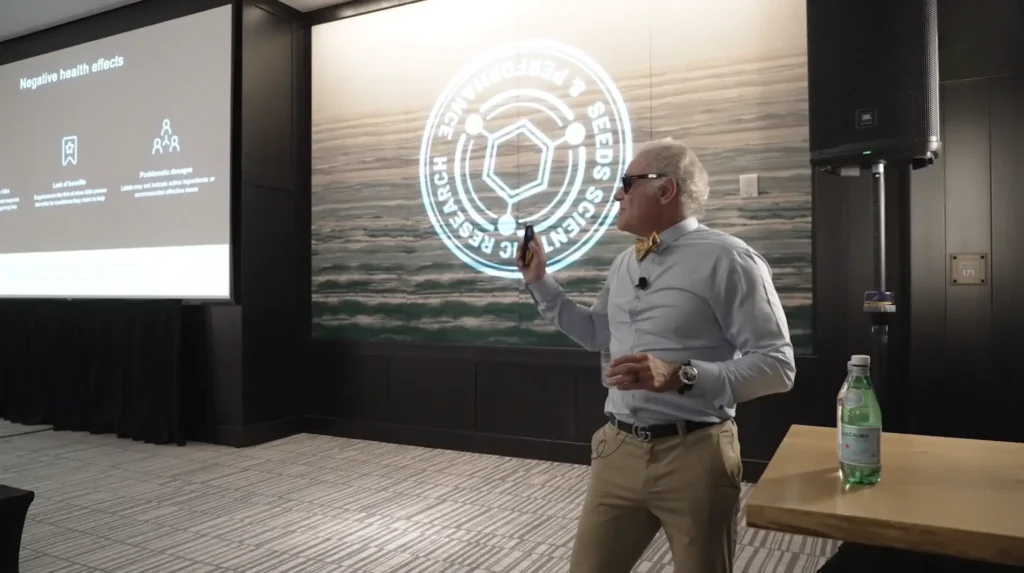
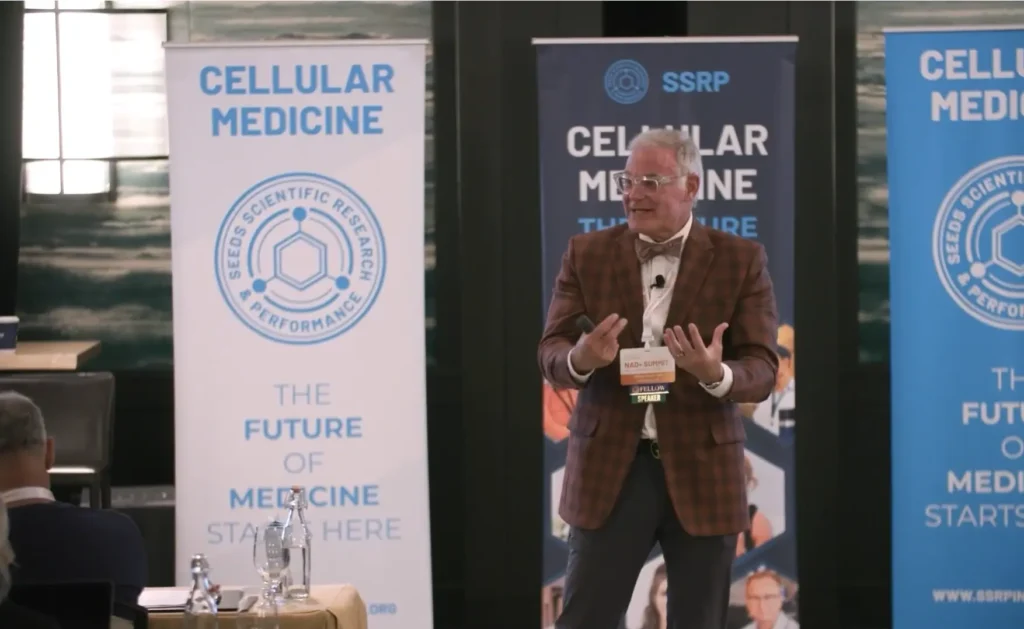
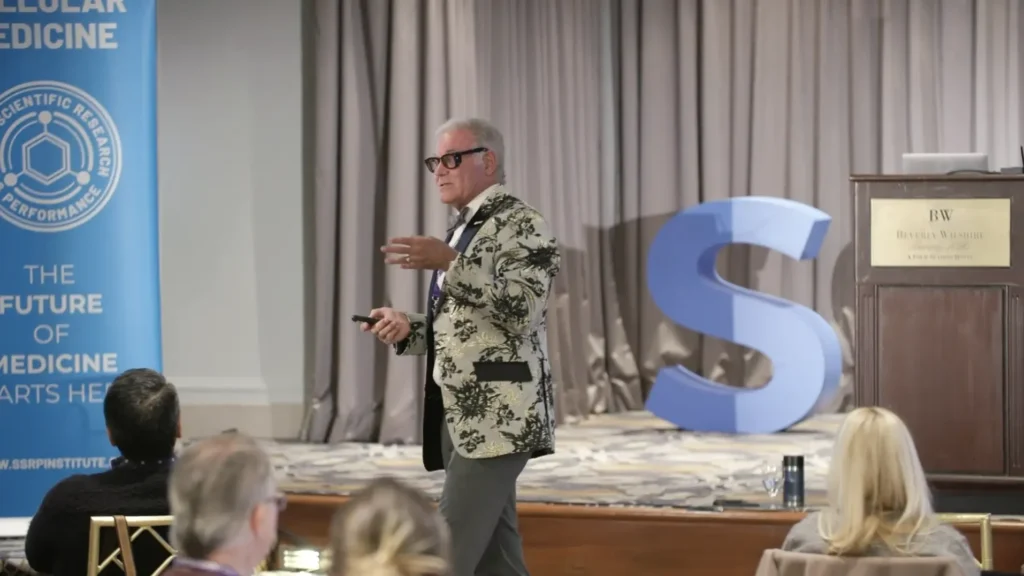
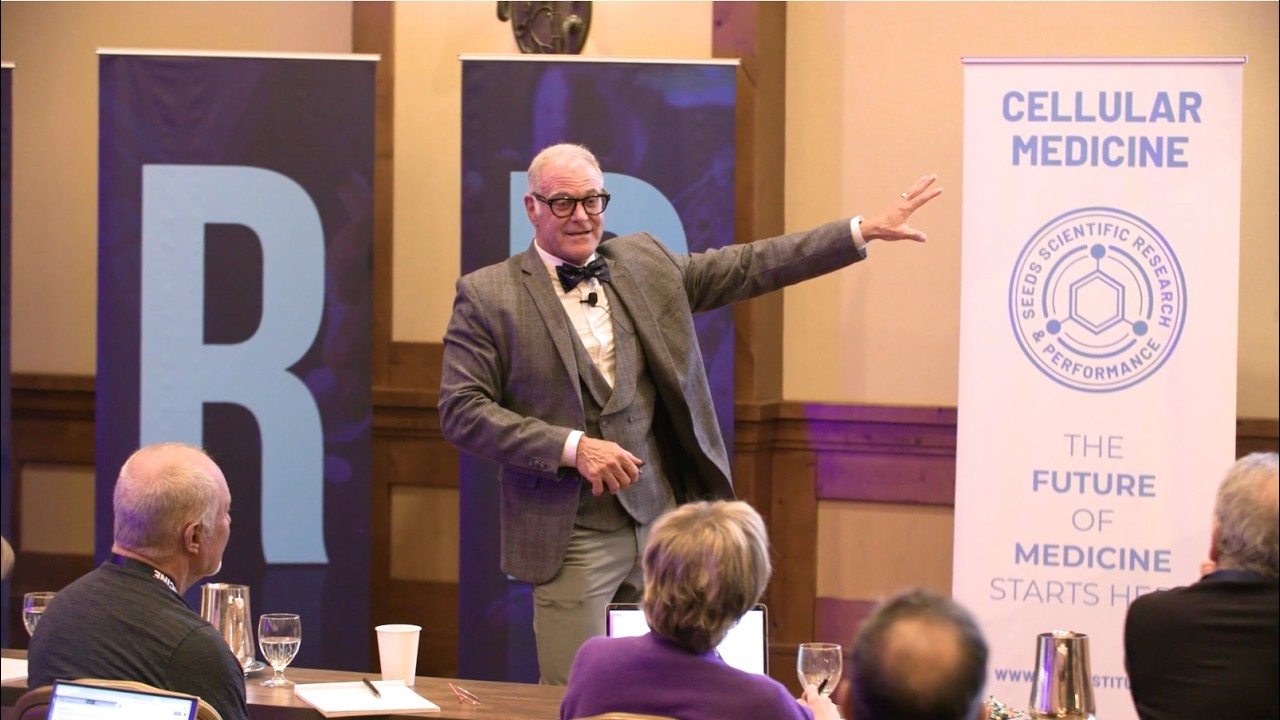
For over 40 years, Dr. William A. Seeds has dedicated his career to studying cellular and molecular pathways within the human body. As Founder of both the SSRP Institute and Redox Medical Group, he leads the field in Cellular Medicine and Epigenetics by bringing cutting-edge research to the forefront of patient care, optimizing cellular efficiency, and addressing the root causes of diseases.
Highlights of Mastermind 9
Course Curriculum
| Status | Lesson Title | Speaker | Duration |
|---|---|---|---|
| Day 1 – Part 1 |
 William Seeds
|
1 hr 8 min | |
| Day 1 – Part 2 |
William Seeds
|
59 min | |
| Day 1 – Part 3 |
William Seeds
|
1 hr 8 min | |
| Day 1 – Part 4 |
William Seeds
|
1 hr 28 min |
| Status | Lesson Title | Speaker | Duration |
|---|---|---|---|
| Day 2 – Part 1 |
William Seeds
|
17 min | |
| Day 2 – Part 2 |
William Seeds
|
1 hr 35 min | |
| Day 2 – Part 3 |
William Seeds
|
47 min | |
| Day 2 – Part 4 |
William Seeds
|
54 min |
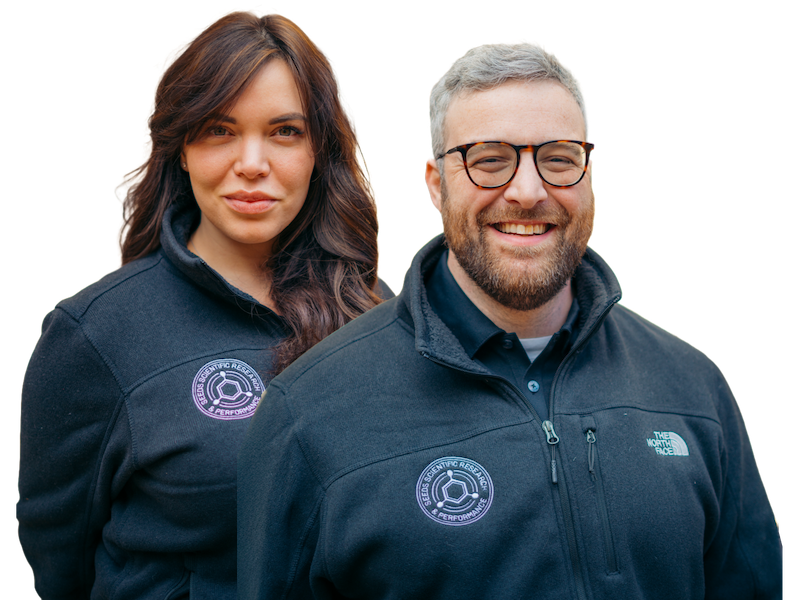
Questions? Our Provider Care Team is here to help.
We'd love to help you determine the best next steps on your Cellular Medicine journey.