Mastermind 13: Mitochondria
Mitochondrial stress adaptation basics for clearer clinical reasoning in complex chronic and post-viral cases
For clinicians building a practical mitochondria-informed framework
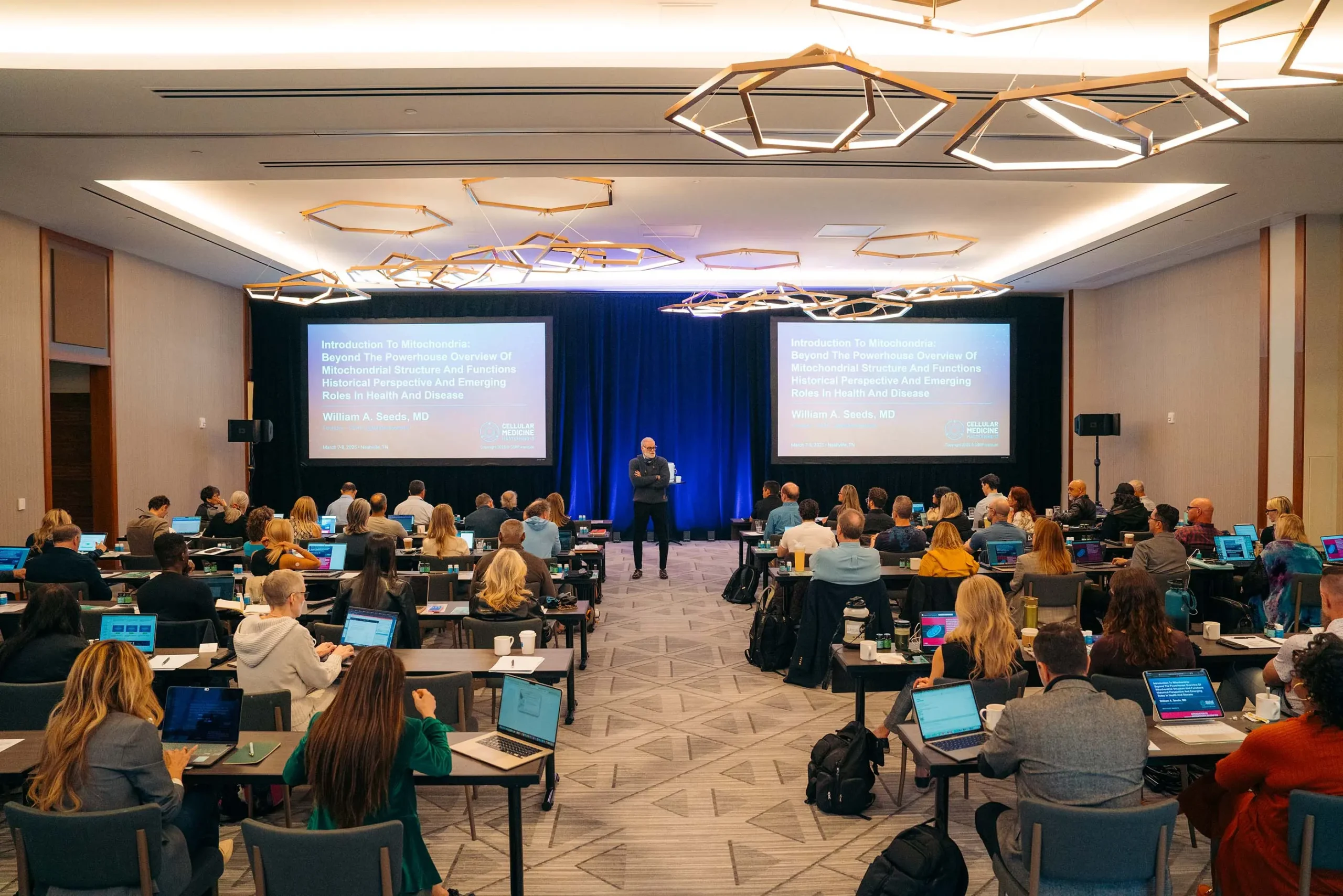
In this mastermind, Dr. Seeds explores the structure and functioning of mitochondria, beyond its identity as the “powerhouse of the cell.” Providing both an overview of mitochondrial cellular mechanisms for energy production and regulation and its role in health and disease, he offers an easy-to-follow breakdown of how mitochondrial dysfunction occurs and its disease implications. You will become familiar with the cellular pathways and signaling mechanisms involved in mitochondrial functioning, including mito-peroxisome crosstalk and mito-nuclear communication. You will move your knowledge from basic mitochondrial biology to building a molecular understanding of how cells adapt to stress, manage ATP production, maintain redox balance, and retain optimal metabolic decision-making. You will review core oxidative phosphorylation concepts and connect mitochondrial dynamics and quality control (autophagy vs mitophagy) to immune and metabolic patterns that occur in post-viral fatigue, neurodegeneration, and cancer contexts. The course also addresses what current biomarkers and performance proxies can—and cannot—reliably indicate about mitochondrial function, emphasizing cautious interpretation over single-test conclusions. Clinicians can use this cellular medicine approach to gain a deeper understanding of mitochondrial functioning so they can more accurately and individually create treatment programs. This 12-lesson course is designed for clinicians and advanced trainees who are comfortable with intermediate biochemistry and want a clearer, evidence-oriented way to translate cellular energetics into real-world clinical thinking and practical application to improve patient outcomes.
What's Included
The course is organized as a stepwise progression from foundational mitochondrial structure and function into applied clinical reasoning across immune, metabolic, neurodegenerative, and cancer-relevant scenarios. It emphasizes mechanism-based interpretation and careful use of available markers, with a closing session that synthesizes questions and clinical takeaways.
- Over 20 hours of video content
- 2 modules
- 12 lessons
- Downloadable learning guides
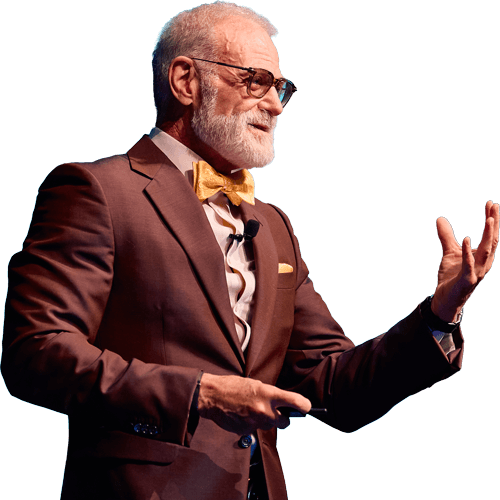
William Seeds
MD
For more than four decades, Dr. William A. Seeds has advanced medical science through clinical practice, research, and physician education. A board-certified Orthopaedic Surgeon in General and Sports Medicine, he served as Chief of Surgery at University Hospitals Conneaut Medical Center and Director of The Ohio Bone & Joint Institute
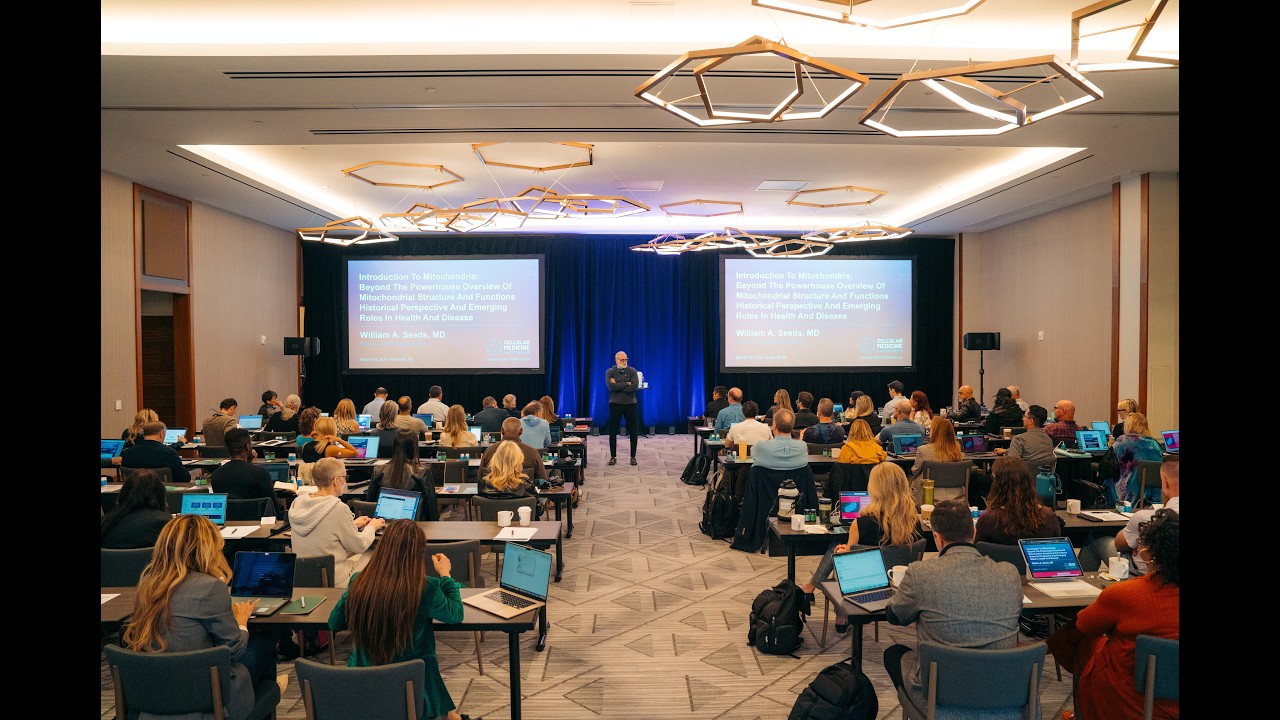
Watch highlights from Mastermind 13
Course Curriculum
Questions? Our Provider Care Team is here to help.
We'd love to help you determine the best next steps on your Cellular Medicine journey.