Cellular immune-metabolism frameworks for clearer inflammatory case evaluation and longitudinal monitoring decisions
For clinicians building stronger immune case reasoning
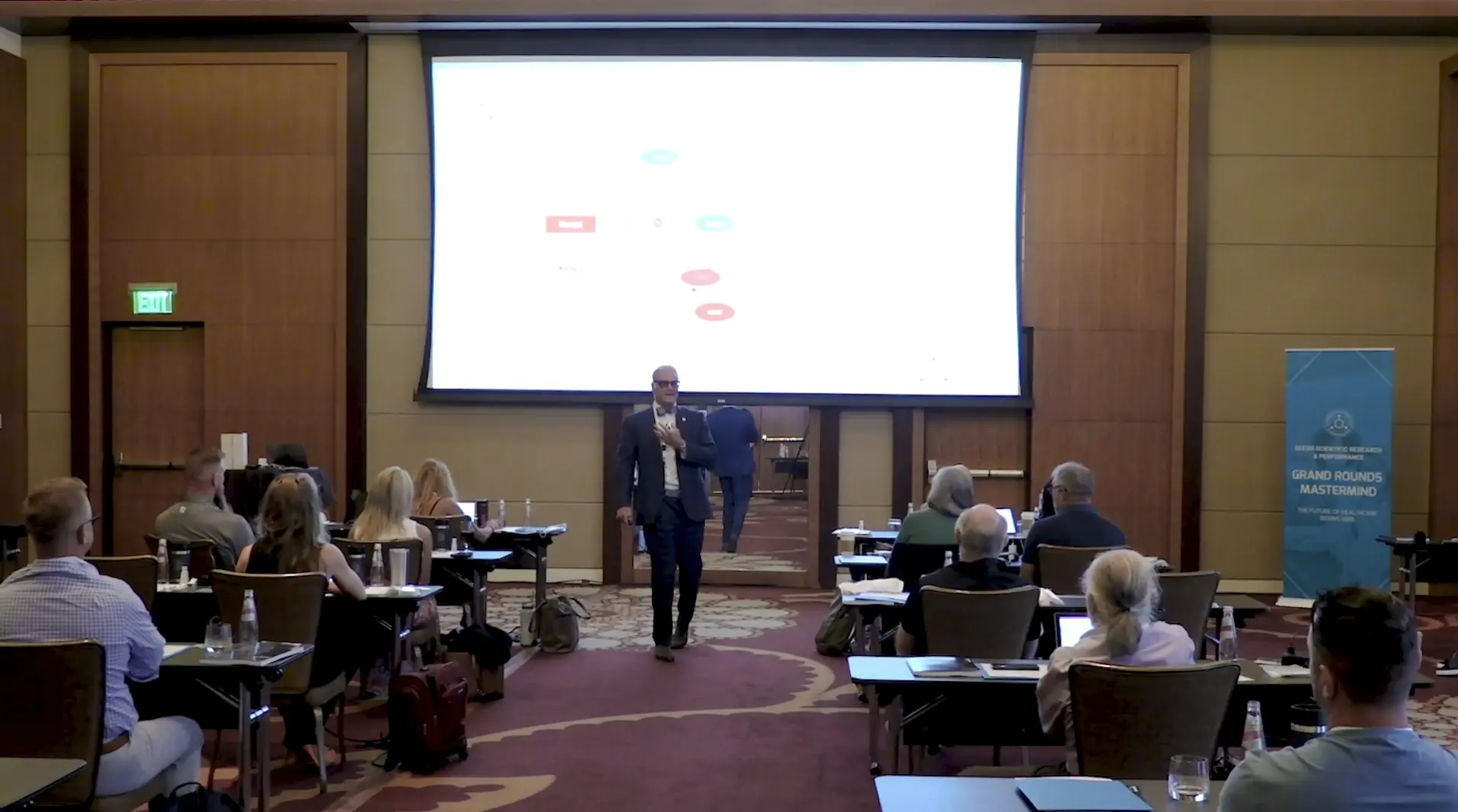
This mastermind intensive focuses on how to improve cellular efficiency to address inflammatory conditions and regulate the immune system at the cellular level. With an emphasis on cellular metabolism and redox regulation (how cells manage oxidative stress), you will learn how to integrate a cellular medicine approach into your clinical practice. Dr. Seeds leads this course related to circadian biology, immunometabolism, and mitochondrial function and the various downstream cellular processes, including oxidative and nitrosative stress, autophagy (cellular cleanup), and senescence (stress-related cellular dysfunction). The lessons also discuss how clinicians can use indirect biomarkers and consider individual patient context when administering peptides and related agents. Case-based examples offer acute and post-viral scenarios (including COVID-19), athletic overtraining, and complex multisystem presentations to illustrate stepwise evaluation and follow-up. The goal is to help clinicians build a clearer, mechanism-informed approach that can be monitored and adjusted using defined clinical endpoints such as symptom patterns, repeat testing trajectories, and basic lab trends. The course is designed for practicing clinicians who want to improve their understanding and familiarity with cellular medicine in the context of real-world clinical medicine.
What's Included
The course is organized as a sequence of mechanistic teaching sessions followed by implementation-focused discussion and case-based reasoning. It is designed to help clinicians connect cellular concepts to practical evaluation, monitoring, and sequencing decisions in complex immune and inflammatory presentations.
- Over 10 hours of video content
- 2 modules
- 9 lessons
- Downloadable learning guides
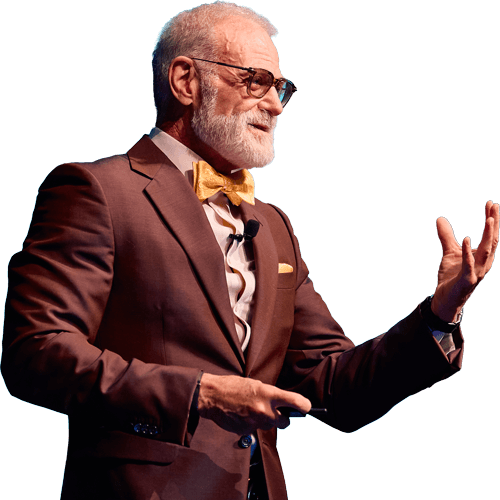
William Seeds, MD
Before establishing the SSRP Institute, Dr. Seeds served as a board-certified orthopedic surgeon and sports medicine specialist for nearly three decades, including Chief of Surgery, Orthopedic Residency Site Director, and Director of The Ohio Bone & Joint Institute for University Hospitals.
His significant contributions to sports medicine have been recognized at the NFL Hall of Fame. He has consulted for athletes across all major sports leagues, including the NFL, NHL, MLB, NBA, and even the performers on “Dancing with the Stars.”
Through his research at the SSRP Institute, Dr. Seeds continues to explore the cellular pathways and mechanisms that positively impact disease and dysfunction in the body as well as optimize physical performance.
Questions? Our Provider Care Team is here to help.
We'd love to help you determine the best next steps on your Cellular Medicine journey.