
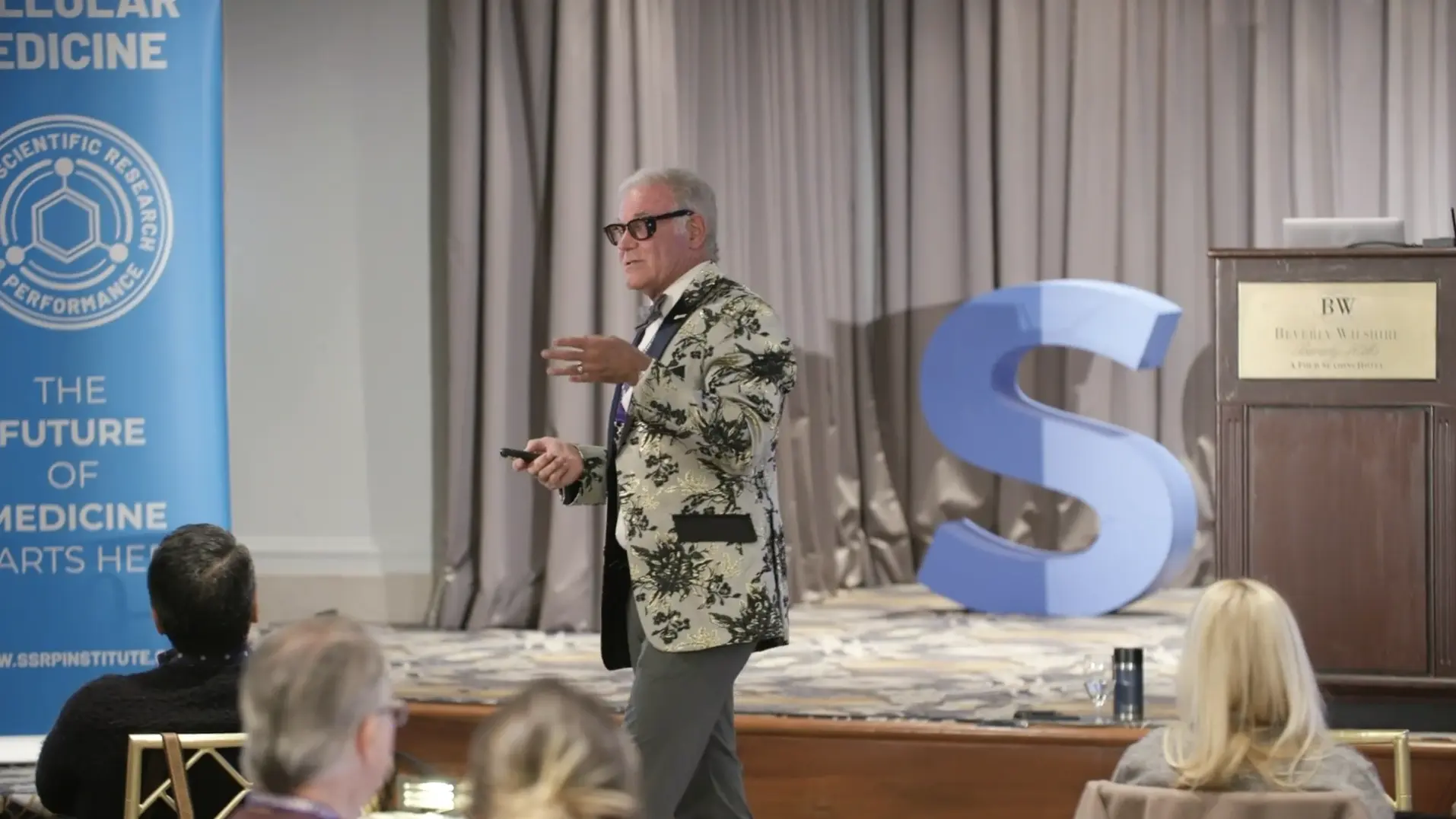
Skin aging mechanisms for more individualized aesthetic planning and patient counseling
For aesthetic clinicians seeking clearer skin biology decisions
This mastermind intensive focuses on the skin and offers an innovative and comprehensive approach to understanding the cellular factors that can advance skin aging and the current treatment options that can work against the environmental and dietary factors that accelerate aging. Through a thorough examination of the influence of environmental exposures and cellular stress and inflammation, you will gain a fresh understanding of how to repair – and prevent – skin damage at the cellular level. You’ll review how UVA and UVB contribute to photoaging, how visible/blue light is involved in pigmentation and dermal changes, and how epigenetic regulation offers a frame to manage longer-term skin repair and restoration. The course also covers clinician-oriented decision points in modalities such as PRP versus PRF, exosomes, and lasers. With specific guidance on tailoring treatment approaches, clinicians will gain both practical techniques as well as deeper insight into the underlying cellular factors related to aesthetics. The course is designed for providers working in aesthetics and regenerative/biologics-adjacent care, as well as advanced learners who want a cellular medicine framing of skin and scalp physiology.
What's Included
Across two recorded days, the course blends foundational skin biology with clinician discussion and Q&A to connect mechanisms to real-world aesthetic decision-making. It emphasizes structured evaluation, careful interpretation of evidence versus theory, and practical reasoning about modality selection and sequencing.
- Over 10 hours of video content
- 2 modules
- 6 lessons
- Downloadable learning guides
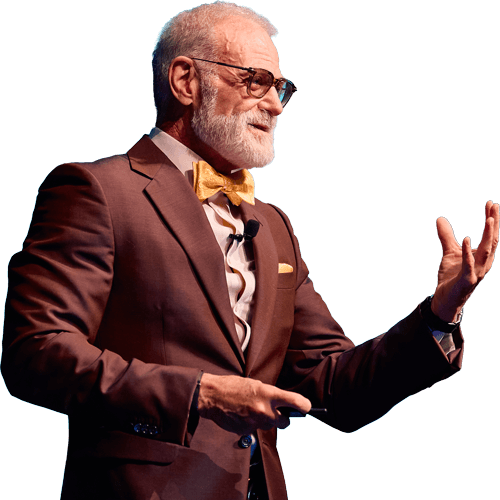
William Seeds, MD
Before establishing the SSRP Institute, Dr. Seeds served as a board-certified orthopedic surgeon and sports medicine specialist for nearly three decades, including Chief of Surgery, Orthopedic Residency Site Director, and Director of The Ohio Bone & Joint Institute for University Hospitals.
His significant contributions to sports medicine have been recognized at the NFL Hall of Fame. He has consulted for athletes across all major sports leagues, including the NFL, NHL, MLB, NBA, and even the performers on “Dancing with the Stars.”
Through his research at the SSRP Institute, Dr. Seeds continues to explore the cellular pathways and mechanisms that positively impact disease and dysfunction in the body as well as optimize physical performance.
Questions? Our Provider Care Team is here to help.
We'd love to help you determine the best next steps on your Cellular Medicine journey.